
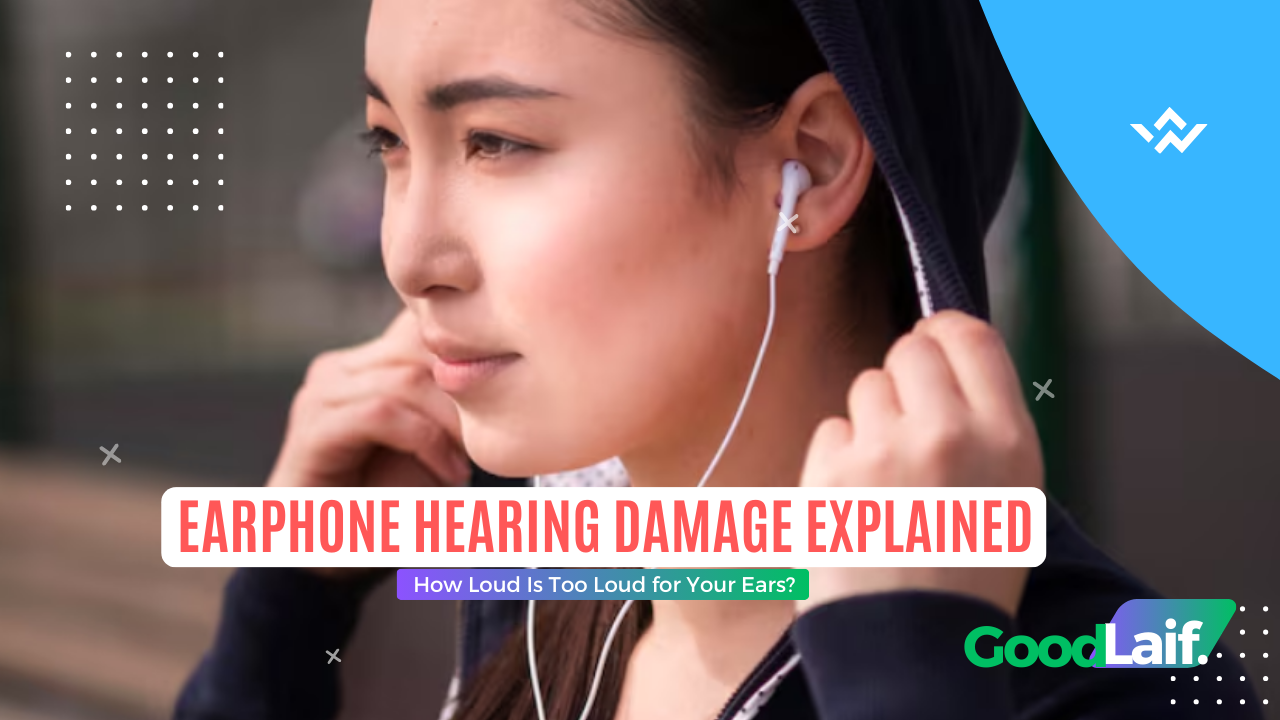
Earphones have become an essential part of modern life. People use them daily for listening to music, watching videos, attending online meetings, and making phone calls. While they offer convenience and privacy, excessive use raises concerns about earphone hearing damage and long-term hearing health. Many people wonder whether frequent earphone use can actually lead to deafness. Understanding how hearing works and how sound affects the ears can help answer this question.
How Human Hearing Works
The human ear consists of three main parts: the outer ear, middle ear, and inner ear. Sound waves enter through the outer ear and travel to the eardrum, causing it to vibrate. These vibrations move through tiny bones in the middle ear and reach the cochlea in the inner ear.
Inside the cochlea are microscopic hair cells that convert sound vibrations into electrical signals, which are then sent to the brain. These hair cells are extremely delicate and cannot regenerate once damaged. When exposed to loud sounds for extended periods, these cells may deteriorate, leading to permanent earphone hearing damage.
How Earphones Can Affect Your Hearing
1. High Volume Exposure
Earphones deliver sound directly into the ear canal, which means the sound intensity is concentrated in a small space. Listening at volumes above 85 decibels for long durations increases the risk of earphone hearing damage. Many users unknowingly exceed safe listening levels, especially in noisy environments.
2. Prolonged Listening Duration
Not only volume but also listening time plays a critical role. Using earphones for hours without breaks prevents the ears from recovering from sound exposure. Continuous strain on the inner ear significantly raises the risk over time.
3. Noise Induced Hearing Loss
Long-term exposure to loud audio through earphones may result in noise-induced hearing loss (NIHL). This condition develops gradually and often goes unnoticed in its early stages. Because the symptoms progress slowly, many individuals only realize the issue after noticeable hearing decline has occurred.
Early Signs of Hearing Problems
Recognizing early symptoms is essential to prevent further damage. Warning signs include:
- Ringing in the ears (tinnitus) after listening
- Difficulty understanding speech in crowded places
- Frequently increasing the volume level
- A feeling of pressure or fullness in the ears
These symptoms may indicate early earphone hearing damage and should not be ignored.
Can Earphone Use Cause Permanent Deafness?
Earphones themselves do not directly cause deafness. However, consistent use at high volumes and for extended periods can permanently damage the sensitive hair cells in the inner ear. Over time, this damage may develop into partial or total hearing loss. It is important to understand that hearing loss usually occurs gradually rather than suddenly. The risk depends on listening habits, including volume level, duration, and frequency of use.
How to Use Earphones Safely
To protect your hearing, consider the following safe listening practices:
- Keep the volume below 60 percent of the maximum level.
- Follow the 60/60 rule: listen at 60% volume for no more than 60 minutes at a time.
- Take regular breaks to allow your ears to rest.
- Use noise-canceling earphones to reduce the need for higher volume.
- Avoid using earphones in very noisy surroundings.
Conclusion
Earphones are safe when used responsibly. However, unhealthy listening habits can significantly increase the risk of hearing problems. Being aware of safe volume levels and limiting listening time are essential steps in preventing permanent damage. By practicing healthy listening habits, you can enjoy your audio devices while protecting your long-term hearing health.
READ ALSO ARTICLE: How to Keep Your Heart Healthy with Daily Habits













+ There are no comments
Add yours