


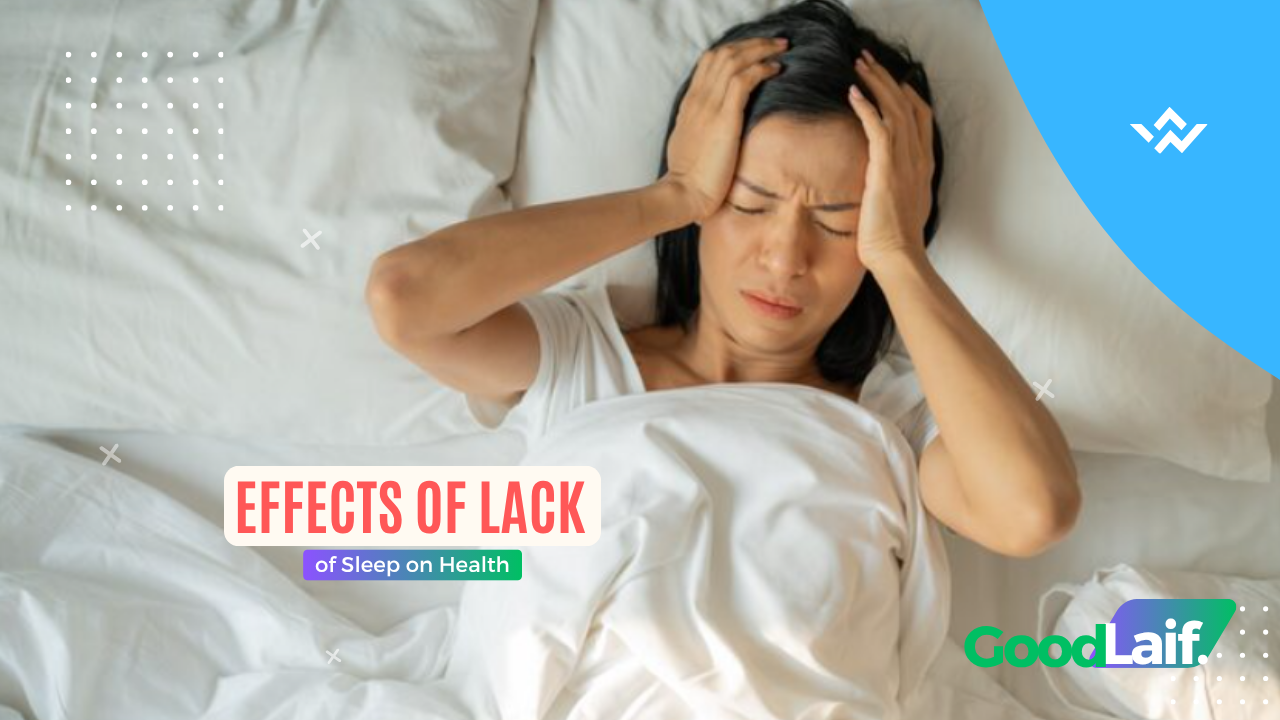
Lack of sleep has become an increasingly common health issue in the modern era. Busy schedules, excessive gadget use, and stress often lead people to neglect their need for adequate rest. In fact, the effects of lack of sleep are not only felt in the short term, such as fatigue and drowsiness, but can also have serious consequences for long-term health.
The human body requires sufficient rest to carry out recovery processes and cellular regeneration. When sleep duration is consistently reduced, various bodily functions begin to deteriorate gradually.
What Happens When the Body Lacks Sleep?
In general, adults need around 7-9 hours of sleep each night. When this requirement is not consistently met, the body experiences sleep deprivation, which affects multiple systems, including metabolism, hormones, and brain function.
In this condition, the effects of lack of sleep begin to appear gradually, often going unnoticed until they develop into more serious health problems.
The Impact of Sleep Deprivation on Health

1. Increased Risk of Chronic Diseases
Long-term sleep deprivation can raise the risk of conditions such as type 2 diabetes, hypertension, and heart disease. This occurs due to disruptions in metabolic processes and hormonal imbalances that regulate blood sugar and blood pressure.
2. Reduced Brain Function and Concentration
Sleep plays a vital role in maintaining brain function, especially in memory consolidation. A lack of sleep can lead to difficulty concentrating, reduced memory, and impaired decision-making.
3. Weakened Immune System
During sleep, the body produces antibodies and strengthens its immune system. Without sufficient sleep, the body becomes more vulnerable to infections and illnesses.
4. Higher Risk of Mental Health Disorders
Mental health is closely linked to sleep quality. Sleep deprivation can trigger stress, anxiety, and even depression. Over time, this can disrupt emotional balance and overall well-being.
5. Weight Gain
Lack of sleep affects hormones that regulate hunger, causing an increase in appetite. This can lead to overeating and a higher risk of obesity and metabolic disorders.
6. Accelerated Premature Aging
One of the often-overlooked effects of lack of sleep is its impact on physical appearance. Disrupted skin regeneration can result in dull skin, fine lines, and faster signs of aging.
Common Causes of Sleep Deprivation
Several factors commonly contribute to insufficient sleep, including:
- Stress and work pressure
- Excessive gadget use before bedtime
- Irregular sleep schedules
- High caffeine consumption
- Sleep disorders such as insomnia
How to Overcome Sleep Deprivation
To reduce the effects of lack of sleep and maintain good health, consider the following steps:
- Establish a consistent sleep schedule
- Avoid using gadgets before bedtime
- Limit caffeine intake in the evening
- Create a comfortable and quiet sleeping environment
- Practice relaxation techniques before sleep
Conclusion
Sleep deprivation is not just about feeling tired, it can have serious long-term health consequences. The effects of lack of sleep impact various aspects of the body, from brain function to the risk of chronic diseases. Therefore, maintaining adequate sleep quality and duration is essential for overall health and well-being.
READ ALSO ARTICLE: Polyphasic Sleep Mode Replaces 8 Hours of Sleep