


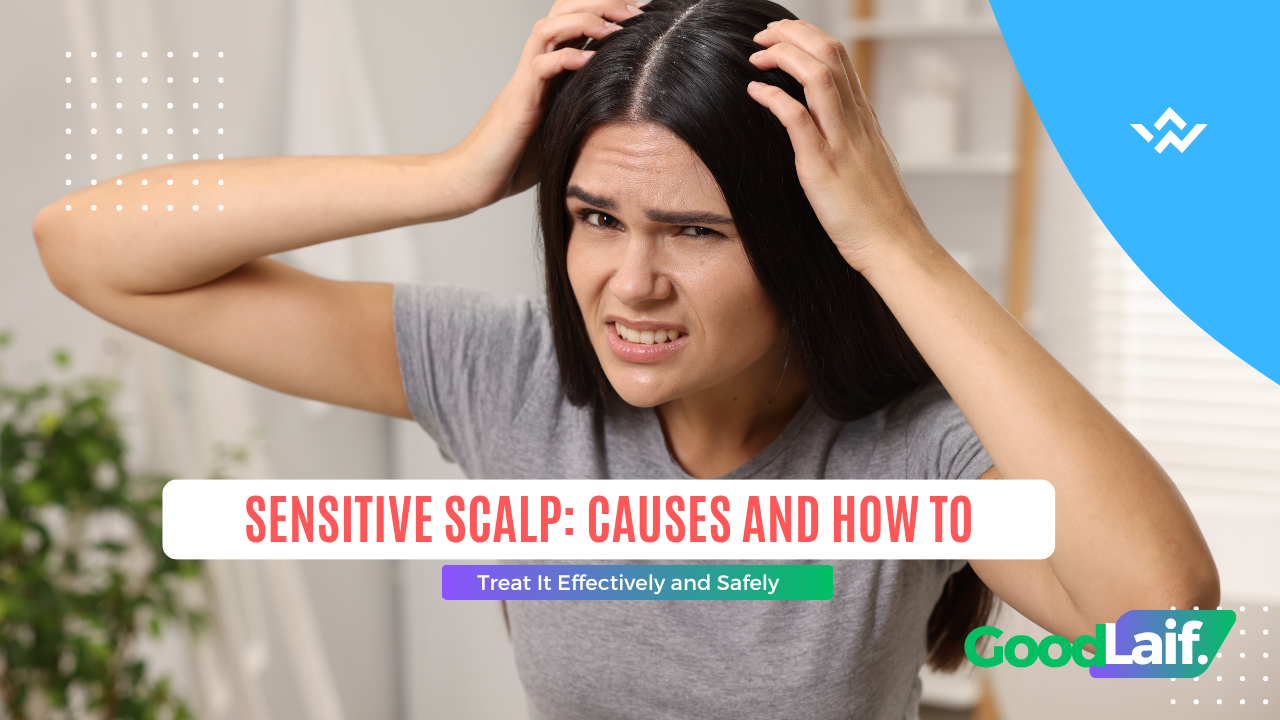
Have you ever felt your scalp sting, itch, or become uncomfortable even when you’re just brushing your hair? Many people ignore this condition, but it could be a sign of a sensitive scalp. If left untreated, it can affect both your comfort and overall hair health. So, what causes a sensitive scalp and how can you deal with it effectively?
A sensitive scalp occurs when the skin on your head reacts easily to external factors such as hair care products, weather changes, or environmental triggers. Symptoms may include itching, redness, a burning sensation, and dryness. That’s why understanding the causes and proper care is essential to prevent the condition from worsening.
Causes of a Sensitive Scalp
Several factors can contribute to a sensitive scalp, including:
- Use of hair products with harsh chemicals
- Allergic reactions to shampoo or hair dye
- Excessive sun exposure
- Dry scalp conditions
- Stress or hormonal changes
In addition, washing your hair too often or not enough can disrupt the scalp’s natural balance. Frequent use of heat styling tools can also make the condition worse. Even hot water during hair washing can strip away natural oils that protect the scalp.
Symptoms to Watch For
A sensitive scalp often shows the following signs:
- Persistent itching
- Burning or stinging sensation
- Redness on the scalp
- Mild dandruff
- Discomfort when touching or brushing hair
In some cases, the scalp may feel sore, especially when touched. If not properly treated, it can affect overall hair health and even lead to mild hair loss.
How to Treat a Sensitive Scalp

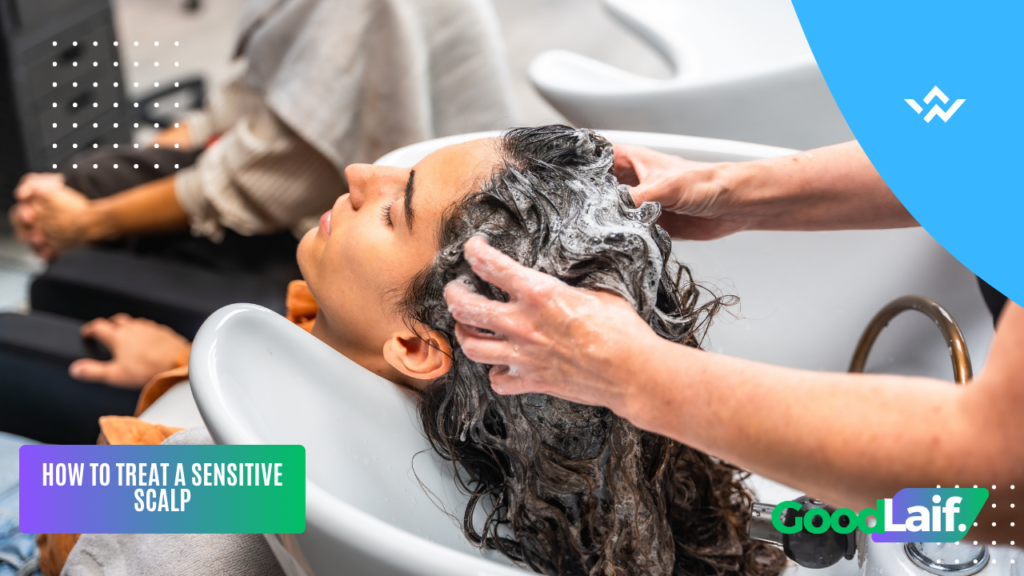
To manage a sensitive scalp, you can try these steps:
1. Use Gentle Shampoo
Choose a mild shampoo designed for sensitive scalps, free from harsh chemicals.
2. Avoid Harsh Products
Limit the use of styling products like hairspray or gel that may trigger irritation.
3. Don’t Overwash Your Hair
Wash your hair moderately to maintain natural oil balance.
4. Use Cool or Lukewarm Water
Avoid hot water as it can dry out the scalp.
5. Keep Your Scalp Moisturized
Use conditioner or natural oils to maintain hydration.
Additionally, avoid scratching your scalp even if it feels itchy, as this can worsen irritation and lead to infections. Let your hair dry naturally instead of using excessive heat. Gentle scalp massage can also help improve blood circulation and promote healthier skin.
Tips to Prevent a Sensitive Scalp
To prevent recurrence, consider these habits:
- Choose products suitable for your scalp type
- Avoid prolonged sun exposure
- Maintain a healthy diet
- Manage stress effectively
- Protect your scalp when necessary
Keeping your hair and scalp clean is also important to avoid buildup and irritation. Using clean towels and not sharing hair tools can reduce the risk of infection.
Read Also : Scalp Fungus: Causes, Symptoms, and How to Treat It
Conclusion
A sensitive scalp is a common condition, but it should not be ignored. By understanding its causes and treatments, you can maintain better scalp health.
Start taking better care of your hair and scalp today. With consistent and proper care, your scalp can stay comfortable, healthy, and free from irritation that may disrupt your daily activities.