

Have you ever noticed that you don’t feel sad when something painful happens? Or that you’re not happy when you finally get something you used to deeply desire? If you feel emotionally “numb” and life seems to move forward without any real emotional involvement, you may be experiencing emotional numbness.
Emotional numbness is a condition in which a person experiences a reduction or even a loss of the ability to feel emotions, both positive and negative. Individuals who experience it may not only struggle to feel happiness, but may also be unable to feel sadness, anger, or empathy in a normal way.
What Is Emotional Numbness?

Emotional numbness is often described as a sense of emotional emptiness. A person may continue to carry out daily activities such as working, eating, or socializing, but without meaningful emotional engagement. Life may feel flat, monotonous, and without purpose.
This condition is different from a temporary bad mood. Emotional numbness tends to last longer and affects how a person responds to the world around them. Things that were once enjoyable, such as hobbies, favorite foods, or spending time with family, may lose their appeal.
Causes of Emotional Numbness
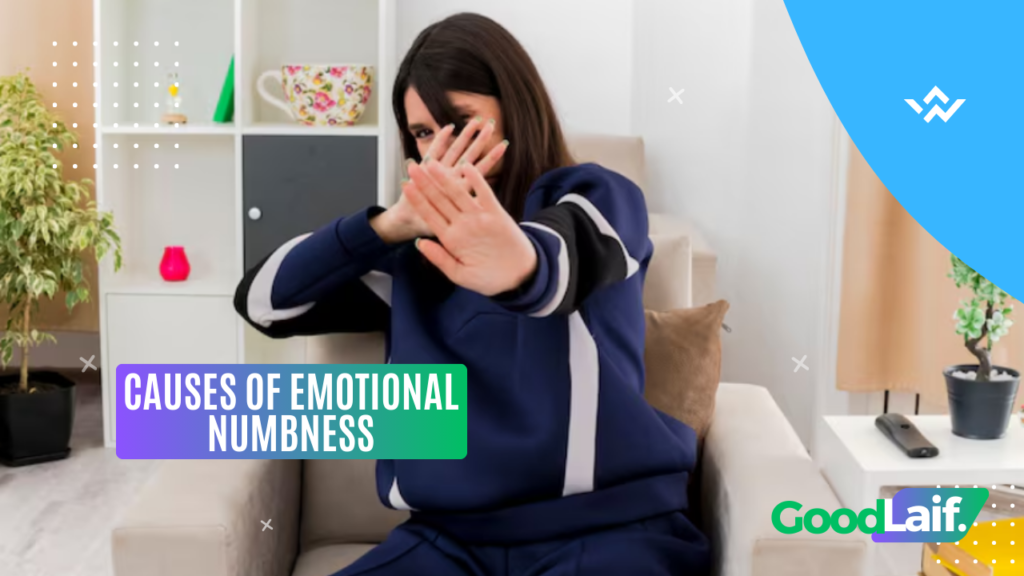
This condition is usually a psychological response to prolonged mental pressure.
1. Chronic Stress
Long-term exposure to stress can push the brain into survival mode. To protect itself from emotional exhaustion, the brain reduces the intensity of emotional responses to various stimuli.
2. Psychological Trauma
Traumatic experiences such as the loss of a loved one, violence, or other extreme events can lead to dissociation. In this state, emotions are “shut down” as a form of self-protection.
3. Burnout
Mental exhaustion caused by excessive work pressure or overwhelming responsibilities can result in a loss of emotional engagement in daily life.
4. Depression
In some cases, emotional numbness is linked to anhedonia, the inability to feel pleasure from activities that are usually enjoyable.
Signs of Emotional Numbness
Some common signs experienced by individuals with emotional numbness include:
- Not feeling happy despite positive events
- Not feeling sad in response to loss
- Difficulty experiencing love or empathy
- Feeling detached from oneself or the surrounding environment
- Losing interest in activities that were once enjoyable
- Living life on “autopilot”
Many people who experience this condition may appear to be “fine” on the outside, which is why it often goes unnoticed by both themselves and others.
Impact on Daily Life
Emotional numbness can affect many aspects of life, from social relationships to work productivity. Individuals may find it difficult to emotionally connect with partners, family members, or friends. Additionally, the lack of motivation and emotional engagement can reduce the quality of work performance. Over time, this condition can worsen mental health, as individuals may begin to feel that life has lost its meaning or purpose.
How to Cope with Emotional Numbness

Overcoming emotional numbness takes time and the right approach. Some steps that may help include:
Recognizing and Accepting the Condition
The first step is acknowledging that this condition is real and valid. Ignoring or suppressing emotions may prolong the recovery process.
Managing Stress
Activities such as light exercise, meditation, or breathing techniques can help lower stress levels that contribute to emotional numbness.
Engaging in Physical Activity
Physical movement can help increase the production of hormones involved in emotional regulation.
Seeking Professional Help
If this condition persists and interferes with daily life, consulting a mental health professional can be an important step toward recovery.
Conclusion
Emotional numbness is a condition in which a person loses the ability to feel emotions normally as a response to prolonged mental stress or trauma. Although it may not be visible from the outside, its impact can significantly affect one’s quality of life. By recognizing the signs and taking steps to manage stress while seeking appropriate support, individuals can gradually restore emotional connection with themselves and the world around them.
READ ALSO ARTICLE: Nomophobia and Its Impact on Mental Health









+ There are no comments
Add yours