



When your body starts to feel off—stuffy nose, sore throat, mild chills—you may wonder: is exercising with the flu a good idea? Some people push through their workouts to stay consistent, while others stop completely, afraid their symptoms will get worse. So, which choice is actually better?
The flu is a viral infection that affects the respiratory system. Symptoms can range from mild, such as sneezing and congestion, to more intense, including fever, headaches, and muscle aches. Because of this variation, the decision to continue exercising with the flu depends largely on how severe your symptoms are. Everyone’s immune response is different, so it’s important to evaluate your condition carefully.
When Is Exercising with the Flu Still Safe?

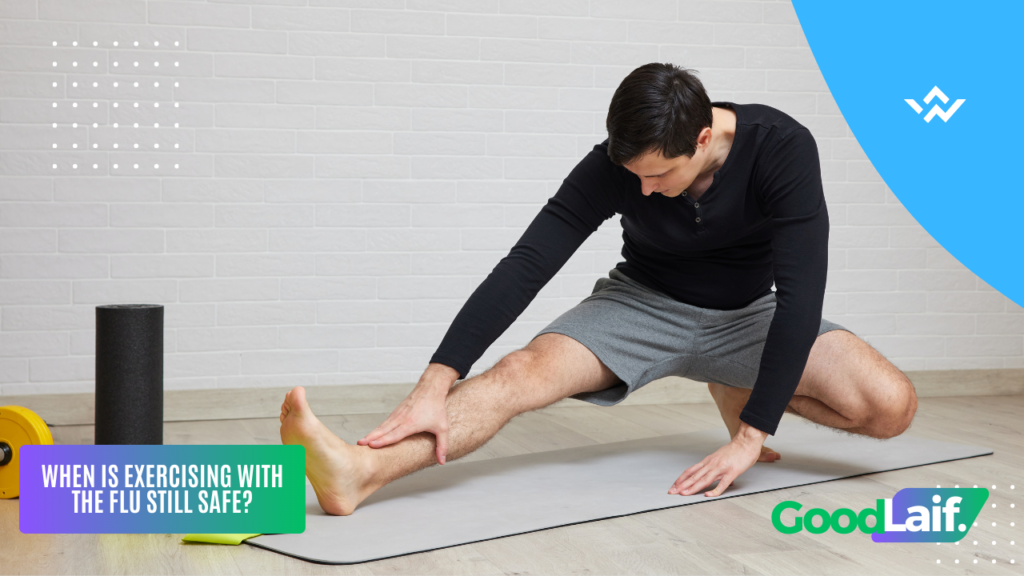
There is a common guideline known as the “neck rule.” If your symptoms are limited to above the neck—such as a runny nose, nasal congestion, or a mild sore throat—light exercise is generally considered safe.
However, you should reduce the intensity of your usual workout. For example, instead of high-intensity interval training or heavy weightlifting, you might choose a gentle walk, light yoga, stretching, or easy cycling. In some cases, light movement can improve blood circulation and help you feel slightly more energized.
That said, always listen to your body. If you start feeling dizzy, extremely fatigued, or short of breath during exercise, stop immediately and rest. Pushing yourself too hard can delay recovery.
When Should You Avoid Exercise?
On the other hand, if your flu symptoms include fever, severe muscle aches, persistent cough, chills, or extreme fatigue, it is best to skip your workout. At this stage, your body is already working hard to fight the infection. Adding physical stress may weaken your immune response and prolong the illness.
Exercising with a fever is especially risky. It can increase dehydration, raise your heart rate excessively, and put additional strain on your cardiovascular system. This may not only slow recovery but also increase the risk of complications.
Additionally, if you experience chest pain, difficulty breathing, or severe weakness, seek medical advice before resuming any physical activity.
The Importance of Rest During the Flu
Taking a few days off from exercise will not significantly reduce your fitness level. In fact, proper rest allows your immune system to function more effectively, helping you recover faster.
Quality sleep—around seven to nine hours per night—plays a crucial role in healing. Staying hydrated and consuming nutritious foods rich in vitamins and minerals will also support your recovery. Once your symptoms improve, you can gradually return to your normal workout routine.
Tips for Safe Movement
If you decide to exercise with mild flu symptoms, follow these precautions:
- Reduce workout intensity and duration by 30–50%.
- Avoid high-intensity or competitive activities.
- Stay well hydrated before and after exercise.
- Stop immediately if symptoms worsen.
- Avoid crowded gyms to prevent spreading the virus.
By being cautious, you can maintain light activity without compromising your health.
Read Also : Best Time to Exercise While Fasting for Safe and Effective Results
Conclusion
Exercising with the flu depends on the severity of your symptoms. If they are mild and limited above the neck, light activity may be acceptable. However, if you have a fever or feel significantly weak, rest is the better option.
Ultimately, your health should always come first. By allowing your body the time it needs to recover, you can return to your workouts stronger, healthier, and safer.