
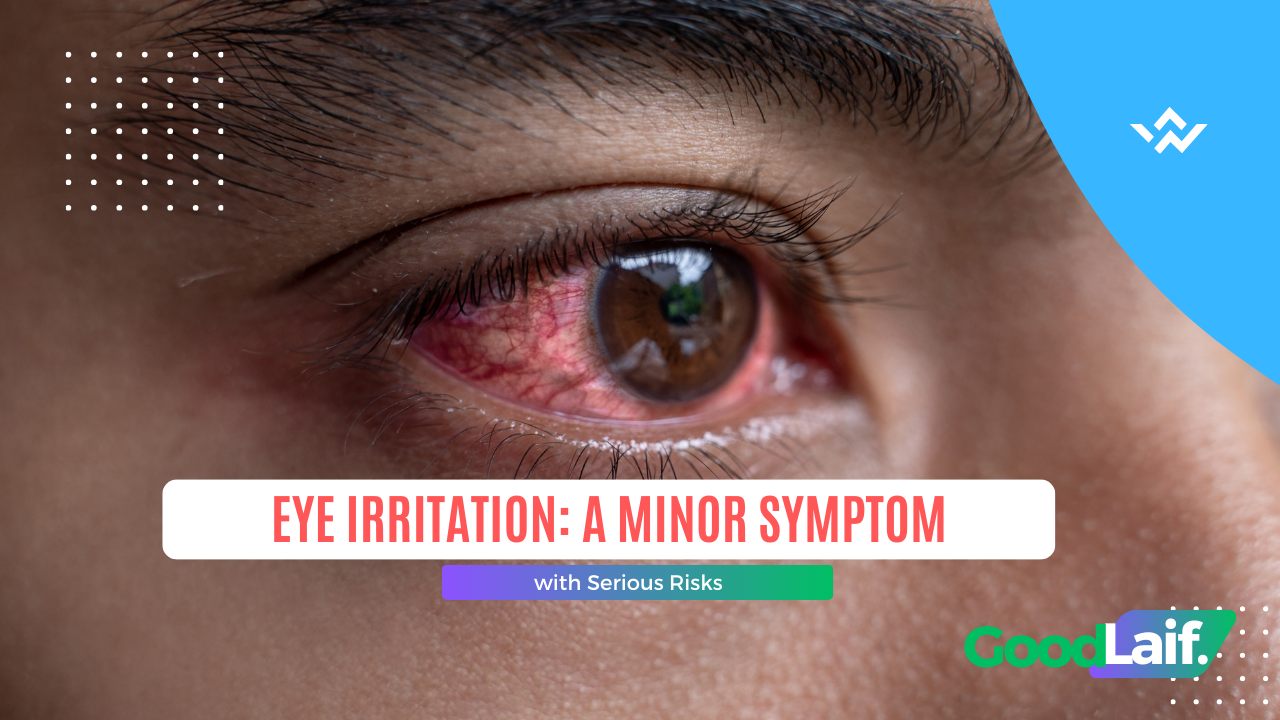
Have you ever felt your eyes suddenly sting, turn red, or water excessively for no clear reason? At first, it may seem like a small and harmless issue. But what if the discomfort keeps coming back and starts interfering with your daily activities? That persistent annoyance could be a sign of eye irritation that should not be ignored.
Eye irritation occurs when the eyes react to external triggers such as dust, pollution, allergens, infections, or even excessive screen time. Although often considered mild, untreated irritation can develop into more serious eye problems.
What Is Eye Irritation?
Eye irritation is a natural response of the eyes when exposed to substances or conditions that disrupt their normal balance. The eyes are protected by a thin tear film that keeps them moist and comfortable. When this protective layer is disturbed, discomfort can quickly follow.
Common symptoms of eye irritation include:
- Redness
- Stinging or burning sensation
- Excessive tearing
- Itching
- Sensitivity to light
- Temporary blurred vision
If symptoms persist for several days or worsen with pain and discharge, medical attention may be necessary.
Common Causes of Eye Irritation
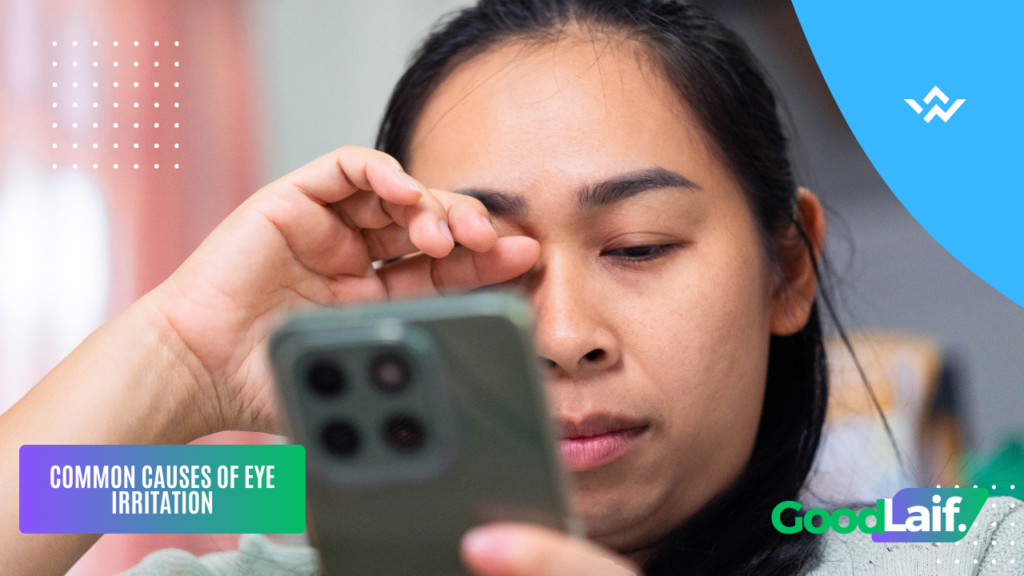
Understanding the causes of eye irritation helps you prevent it more effectively. Here are the most frequent triggers:
1. Dust and Air Pollution
Tiny particles from dust, smoke, or vehicle emissions can enter the eyes and cause inflammation. This often leads to redness and a gritty sensation.
2. Prolonged Screen Time
Spending hours in front of computers, smartphones, or tablets reduces your blinking rate. As a result, the eyes become dry and more vulnerable to irritation.
3. Allergies
Pollen, pet dander, and household dust can trigger allergic reactions in the eyes. Allergic eye irritation is usually accompanied by itching and watery eyes.
4. Contact Lens Use
Wearing contact lenses for too long or not cleaning them properly increases the risk of irritation and infection.
5. Infections
Bacterial or viral infections can cause more severe irritation, sometimes along with swelling and discharge.
How to Treat Eye Irritation
Fortunately, most cases of eye irritation can be managed with simple steps at home:
- Rest your eyes regularly, especially after long screen use.
- Follow the 20-20-20 rule: every 20 minutes, look at something 20 feet away for 20 seconds.
- Use lubricating eye drops to relieve dryness.
- Avoid rubbing your eyes, as this can worsen inflammation.
- Wash your hands before touching your face or eyes.
- Wear protective glasses in dusty or polluted environments.
However, if symptoms last more than two days, become painful, or include thick discharge, consult a healthcare professional promptly.
How to Prevent Eye Irritation
Prevention is always better than treatment. To reduce the risk of eye irritation:
- Limit excessive screen time.
- Maintain proper eye hygiene.
- Keep indoor air clean and well-ventilated.
- Eat foods rich in vitamin A and omega-3 fatty acids.
- Replace contact lenses as recommended.
Read Also : Headache Spreading to the Eyes: Causes and How to Relieve It
Take Your Eye Health Seriously
Eye irritation may seem like a minor inconvenience, but your eyes play a vital role in your everyday life. Ignoring recurring symptoms can lead to more complicated conditions. By recognizing the early signs of eye irritation and taking preventive steps, you can protect your vision and maintain optimal eye comfort.
If your eyes frequently feel uncomfortable, do not wait until the condition worsens. Proper care and early attention can make all the difference in preserving your eye health.







+ There are no comments
Add yours