

A fever can leave you feeling weak, heavy-headed, and with little appetite. Eating a lot may not sound appealing, but skipping food completely can leave you even more drained. That’s why choosing the right food for people with fever matters to help keep your energy and fluids up while your body recovers.
Food for people with fever doesn’t have to be expensive or complicated. Choose foods that are easy to eat, contain enough fluids, and provide the nutrients your body needs.
What Food for People with Fever Should You Choose?
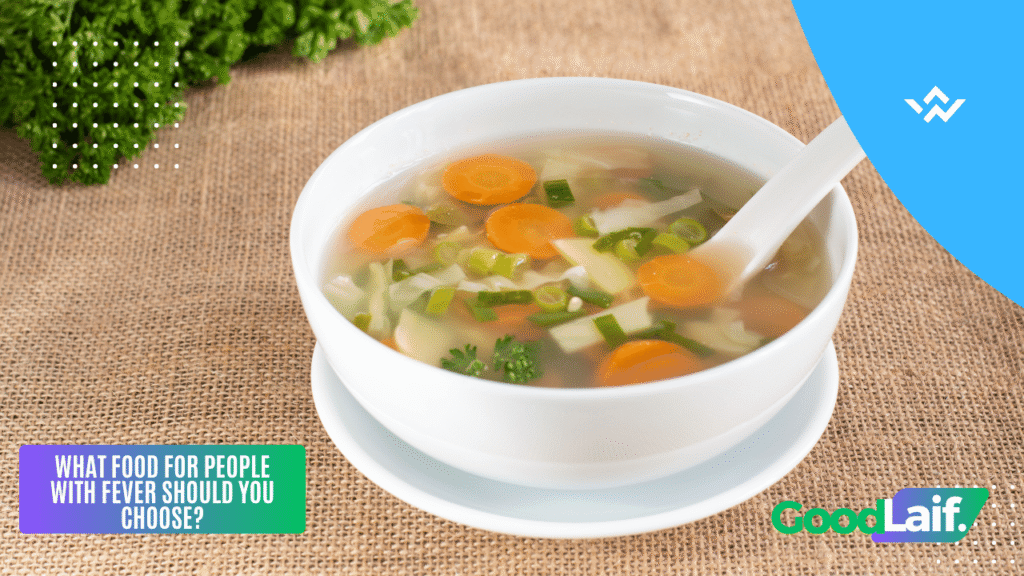
When you’re not feeling well, go for foods with a soft texture and mild flavor. You don’t need to force yourself to eat heavy meals.
Some options include porridge, soup, eggs, fish, chicken, tofu, tempeh, and fruits that contain plenty of water.
If you can’t eat much yet, start with a small portion. You can add more once your appetite starts coming back.
1. Porridge and Soft Foods
Porridge can feel more comfortable when your appetite is low because it’s soft and easy to swallow.
You can add eggs, shredded chicken, tofu, or vegetables to make the meal more nutritious.
Mashed potatoes and oatmeal can also be good options. Keep the flavor mild and avoid adding too much oil.
2. Chicken Soup and Other Soups
Having trouble eating solid food? Try something warm and soupy.
Chicken soup with carrots, potatoes, and vegetables can provide protein while also adding fluids. Warm broth may also feel soothing when you’re not feeling well.
You don’t need lots of seasoning. A simple soup may be easier to tolerate when your stomach feels sensitive.
3. Eggs, Fish, Chicken, Tofu, and Tempeh
Your body still needs protein while you’re recovering. So, don’t rely only on porridge or fruit.
Eggs, fish, chicken, tofu, and tempeh are practical choices. They don’t need complicated preparation either. Boiled eggs, steamed fish, or simply cooked tofu can work well.
If your appetite is still low, start with a small portion.
4. Fruits with High Water Content
Fruit can also be part of your food choices when you have a fever, especially when heavier meals are difficult to eat.
Watermelon, melon, pears, and other water-rich fruits can help add fluids. They also provide vitamins and minerals your body needs.
However, pay attention to how you feel. If you have a sore throat, acidic fruits like oranges or pineapple may feel uncomfortable. Choose fruits that are easier for you to eat.
Why Are Fluids Important During a Fever?
Besides food, there’s one thing that often gets overlooked when you have a fever: fluids.
A fever can cause your body to lose more fluids, especially if you’re sweating. So, don’t wait until you feel thirsty before drinking.
Water should still be your main choice. You can also get fluids from soup, water-rich fruit, or other foods with plenty of liquid.
If your fever comes with vomiting or diarrhea, you may lose even more fluids. In this situation, oral rehydration solution can help replace fluids and electrolytes when used as directed.
What If You Don’t Have Much Appetite?
You don’t have to force yourself to finish a large meal.
Try eating smaller amounts more often. For example, have a few spoonfuls of porridge in the morning, then some fruit or an egg a few hours later.
The important thing is to keep getting fluids and energy. As you start feeling better, you can gradually increase your portions.
Foods to Limit During a Fever
There isn’t one specific list of foods that everyone with a fever must avoid. But if your stomach feels sensitive, some foods may be harder to tolerate.
Very spicy or greasy foods, such as fried foods or extremely spicy sauces, are better limited for now. Alcohol should also be avoided.
Sugary drinks shouldn’t replace water. Having one occasionally is fine, but water is still the safest choice for meeting your fluid needs.
When Should You See a Doctor for a Fever?
If you experience these symptoms, don’t put it off. Food and drinks can help maintain your intake, but they can’t replace medical treatment if your condition gets worse.
See a doctor if your fever lasts for several days, keeps getting higher, or comes with:
- Shortness of breath
- Confusion
- Severe weakness
- Repeated vomiting
- Difficulty drinking
- Signs of dehydration
- Symptoms that continue to get worse
Read Also : Fever with Diarrhea: Common Causes You Should Watch Out For
So, What Should You Eat When You Have a Fever?
Food for people with fever doesn’t need to be complicated. Focus on easy-to-eat options such as porridge, soup, eggs, chicken, fish, tofu, tempeh, and fruit.
Don’t forget to drink enough water. If you don’t have much appetite, eat small portions and don’t force yourself to finish everything.
Take it slowly. The important thing is to keep your body hydrated and fueled with energy and nutrients while you recover.








+ There are no comments
Add yours