
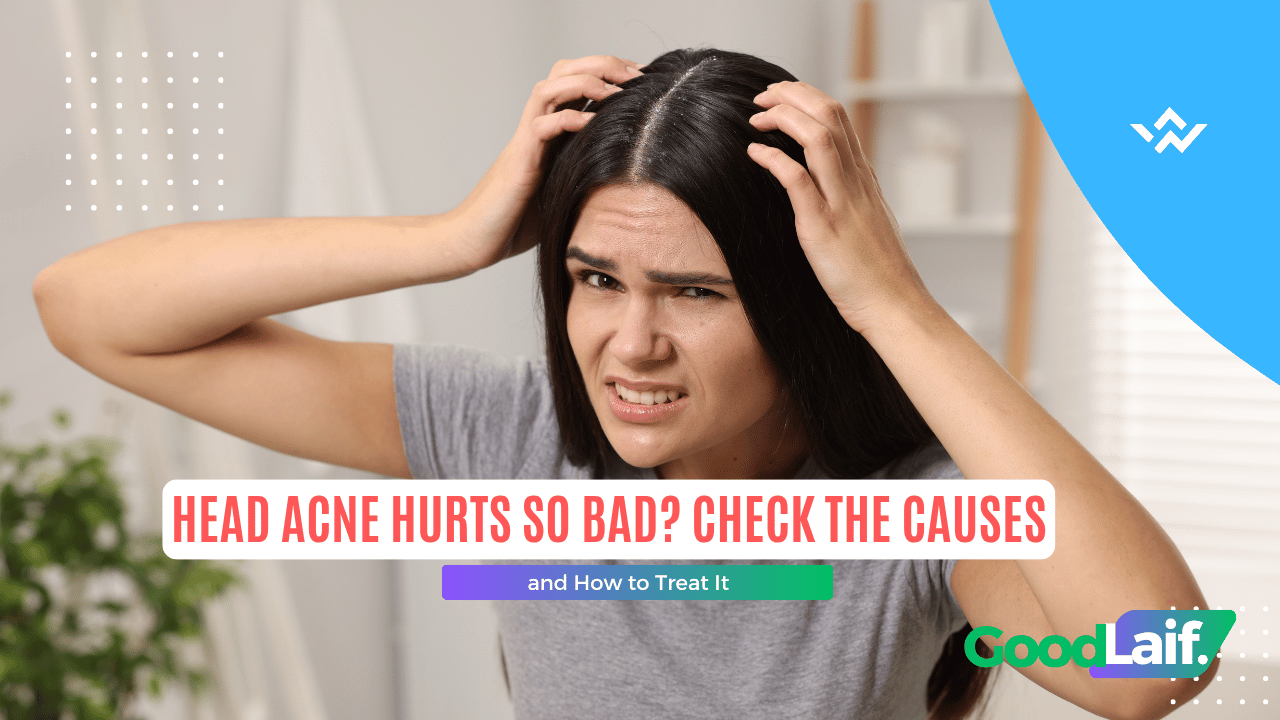
Your comb gets caught, and it hurts when you touch the area. Turns out, there’s a small bump on your scalp. Head acne can appear without you realizing it and make brushing or washing your hair uncomfortable.
It doesn’t necessarily mean your scalp is dirty. Excess oil, sweat, unsuitable hair products, and even frequent scratching can cause red spots or painful bumps around the hair follicles. So, how can you treat it without making your scalp more irritated?
What Is Head Acne?
Head acne can happen when pores or hair follicles become clogged with oil, dead skin cells, dirt, or leftover hair products. It may look like a red spot, a small boil, or a bump that hurts when touched.
Not every spot on the scalp is acne, though. Folliculitis or irritation from hair products can look similar. So, take a look at what the spot actually looks and feels like before assuming it’s acne.
Why Does Head Acne Appear?
Several habits can make hair follicles easier to clog or irritate the scalp.
1. Excess Oil Builds Up on the Scalp
An oily scalp can make hair follicles easier to clog. Oil mixes with dead skin cells and dirt, which can then block the follicles.
That’s when those painful red spots can start to appear.
If your hair gets greasy quickly, feels oily, or you sweat a lot, it’s time to pay more attention to keeping your scalp clean.
2. Your Hair Products Don’t Suit You
Hair products such as pomade, hair oil, dry shampoo, conditioner, or styling products can leave residue on the scalp. When it builds up, the residue can clog follicles and irritate the skin.
If small pimples start appearing after you switch to a new hair product, try stopping it for a while. See if there’s any change.
3. Sweat Stays on Your Scalp for Too Long
After exercising or spending the day doing activities, your scalp can be covered in sweat and oil. Leaving it there for too long can make the follicles easier to clog and the skin more prone to irritation.
So, after sweating a lot, don’t leave it for too long. Wash your hair to get your scalp clean and comfortable again.
4. You Scratch Your Scalp Often
An itchy scalp can make you want to keep scratching. But your nails can accidentally break the skin.
Small scratches can make the area more painful. If your scalp often feels itchy, try to find out what’s causing it instead of repeatedly scratching.
How Can You Treat Head Acne?
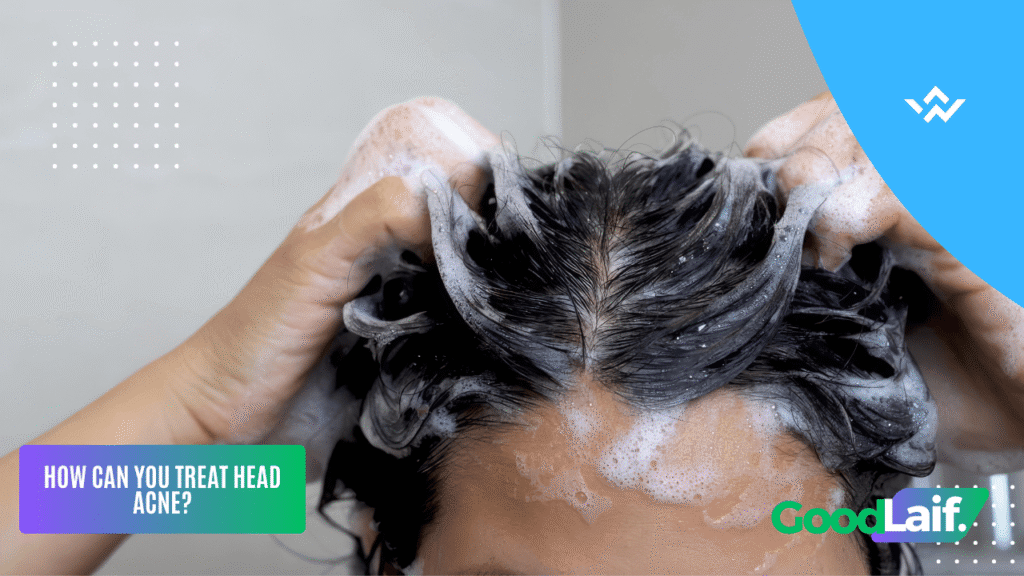
Not sure where to start? Try these steps:
1. Clean your scalp
First, focus on keeping your scalp clean. Wash your hair regularly with a shampoo that suits your hair and scalp. Make sure you rinse thoroughly and don’t leave shampoo behind. Leftover shampoo can make your scalp more irritated.
2. Don’t squeeze it
If the area hurts, resist the temptation to squeeze it. Doing so can make the wound worse and further irritate the skin.
3. Cut back on heavy hair products
If you regularly use pomade, hair oil, dry shampoo, or other styling products, try using less of them for a while. This is especially worth doing if you suspect a product is causing new pimples to appear.
Don’t forget to clean your comb, pillowcase, and hat too. They regularly come into contact with your hair.
When Should You See a Doctor?
If head acne keeps coming back, becomes more widespread, feels very painful, produces pus, or leaves a wound, it’s better to consult a dermatologist.
Also pay attention if you notice hair loss around the affected area. It may not actually be acne but another scalp problem.
A dermatologist can examine it directly and recommend treatment based on the cause.
Read Also : Back Acne Treatment: How to Get Rid of It Faster and Safely
Don’t Squeeze That Painful Spot
If you find a painful spot or bump on your scalp, resist the urge to squeeze it. Start with the basics: keep your scalp clean, reduce products that may cause irritation, and avoid scratching.
If it hasn’t healed after a week or is getting worse, stop treating it on your own and consult a dermatologist.
This article is only meant to give you a general idea. If the symptoms persist, become more painful, or come with pus and hair loss, don’t put off seeing a dermatologist nearby.






+ There are no comments
Add yours