
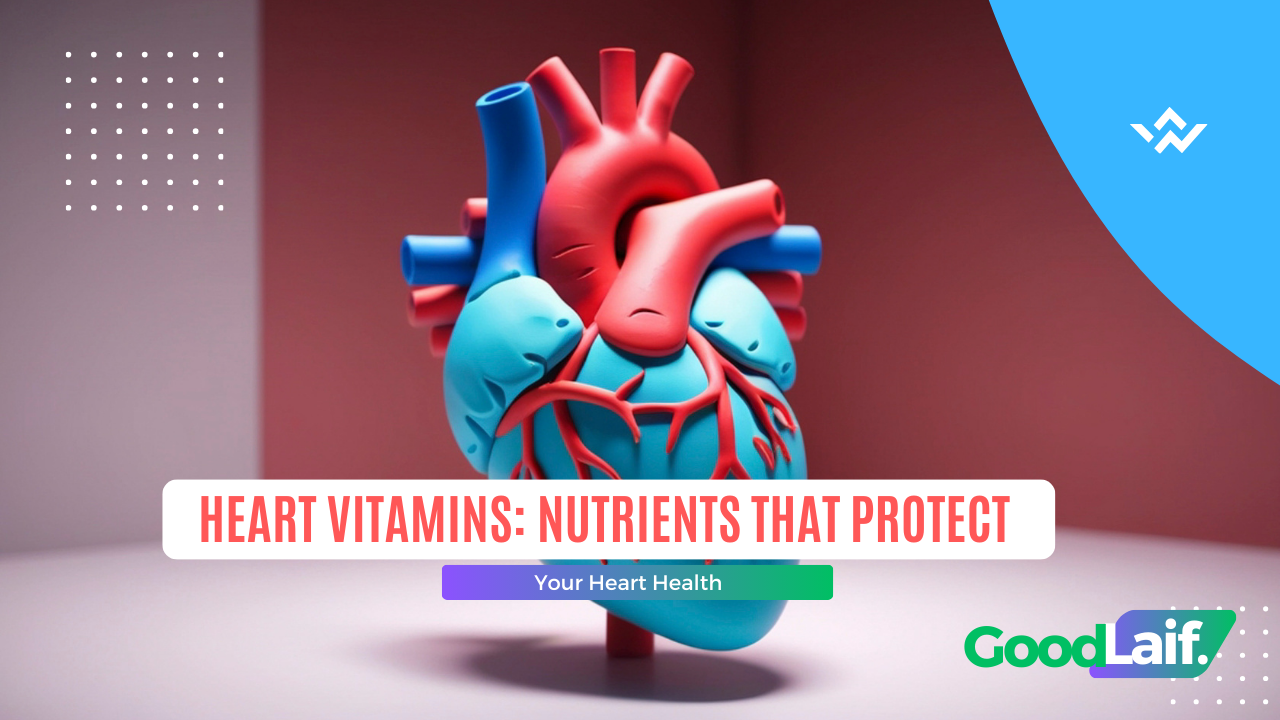
Have you ever wondered how your heart can keep beating nonstop throughout your life? Even when your body is resting, this vital organ continues working tirelessly to pump blood to every part of your body. However, behind its strength, the heart is highly influenced by lifestyle choices and daily nutrition. Without realizing it, unhealthy eating habits and constant stress can slowly increase the risk of heart problems. This is where heart vitamins begin to draw attention.
The heart does not only rely on oxygen and smooth blood flow. It also needs specific nutrients to function properly. With the right intake, vitamins can help maintain heart rhythm, strengthen blood vessels, and reduce the risk of cardiovascular disease.
Why Does the Heart Need Vitamins?
Every day, the heart pumps thousands of liters of blood throughout the body. This nonstop activity makes it vulnerable to inflammation and cellular damage. As a result, a lack of certain nutrients may interfere with blood circulation and place extra pressure on the arteries.
Heart vitamins play an important role in supporting metabolism, helping energy production, and protecting heart cells from oxidative stress caused by free radicals. In other words, proper nutrition allows the heart to work more efficiently.
Types of Vitamins That Support Heart Health

Several vitamins are known to provide significant benefits for heart health, including:
1. B-Complex Vitamins
Vitamins B6, B9 (folate), and B12 help maintain healthy blood chemistry. For example, when homocysteine levels become too high, the risk of heart problems may increase without noticeable symptoms. Therefore, B vitamins help regulate these levels to keep blood vessels healthy and circulation smooth.
2. Vitamin D
Vitamin D is not only essential for bone strength but also plays an important role in heart function. In addition, low vitamin D levels are often associated with high blood pressure and weakened blood vessels. Morning sunlight exposure and fatty fish can help meet daily needs.
3. Vitamin E
As a natural antioxidant, vitamin E helps protect heart cells from damage caused by free radicals. Moreover, it supports healthy blood flow and helps prevent excessive blood clotting.
4. Vitamin C
Vitamin C contributes to maintaining the flexibility of blood vessels and reducing inflammation. With adequate intake, it may also help support stable blood pressure levels.
Natural Sources of Heart Vitamins
Heart-supporting vitamins can be obtained from everyday foods. For instance, green leafy vegetables, fresh fruits, nuts, whole grains, seafood, and eggs provide valuable nutrients that help maintain heart function. In general, a balanced diet is far more beneficial than relying solely on supplements.
Nevertheless, in certain conditions—such as older age or high physical activity—supplements may be used as additional support, ideally under medical guidance.
A Holistic Approach to Heart Health
Although vitamins play an important role, heart health cannot depend on nutrition alone. Therefore, regular physical activity, adequate sleep, stress management, and avoiding smoking or excessive saturated fat intake remain essential habits.
Heart vitamins work best when combined with a healthy lifestyle. As a result, their benefits can be felt more consistently over time.
Read Also : How to Keep Your Heart Healthy with Daily Habits
Conclusion
Heart vitamins are essential nutrients that help protect one of the most vital organs in the body. Ultimately, with proper vitamin intake and a balanced lifestyle, the heart can function more efficiently while the risk of cardiovascular disease may be reduced. Starting with small daily habits today can lead to a stronger, healthier heart in the future.








+ There are no comments
Add yours