
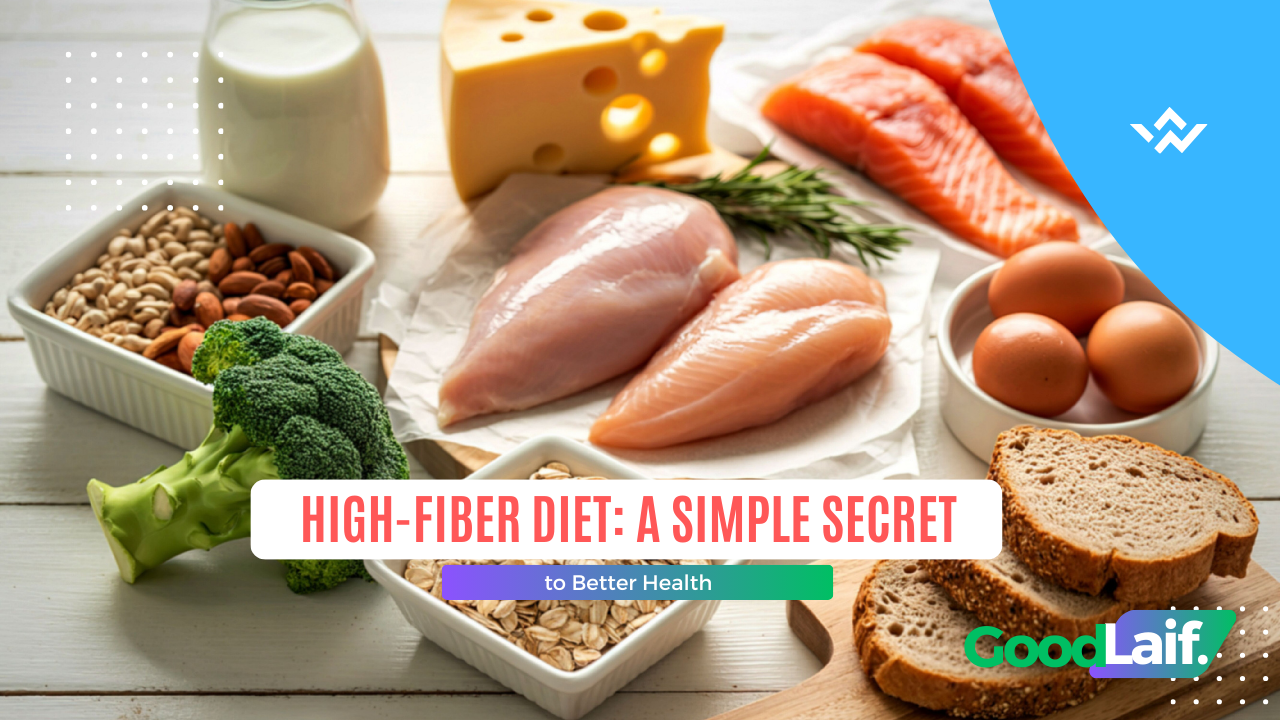
Have you ever felt hungry shortly after eating, or struggled with digestive issues that disrupt your daily routine? Many people don’t realize that the solution can be quite simple. One approach that is gaining attention is a high-fiber diet, known for its wide range of health benefits.
A high-fiber diet is not just a trend. It is a way of eating that focuses on consuming foods rich in fiber, such as vegetables, fruits, whole grains, and legumes. By following this pattern, you can feel full longer while also supporting overall health.
What Is a High-Fiber Diet?
A high-fiber diet emphasizes consuming enough fiber each day. Fiber is a part of plant-based foods that the body cannot fully digest, yet it plays an essential role in maintaining digestive health.
In general, fiber is divided into two types: soluble fiber and insoluble fiber. Both types serve different functions, but they are equally important for the body.
Benefits of a High-Fiber Diet
Consuming fiber-rich foods regularly can provide several health benefits.
1. Supports Digestive Health
Fiber helps improve digestion by promoting regular bowel movements. As a result, it can reduce the risk of constipation.
2. Helps Manage Weight
High-fiber foods tend to keep you feeling full for longer periods. Therefore, they can help reduce overeating and support healthy weight management.
3. Regulates Blood Sugar Levels
In addition, fiber slows down the absorption of sugar in the bloodstream. This helps maintain more stable blood sugar levels.
4. Supports Heart Health
A high-fiber diet is also linked to lower cholesterol levels. Because of this, it may help reduce the risk of heart disease.
Sources of High-Fiber Foods
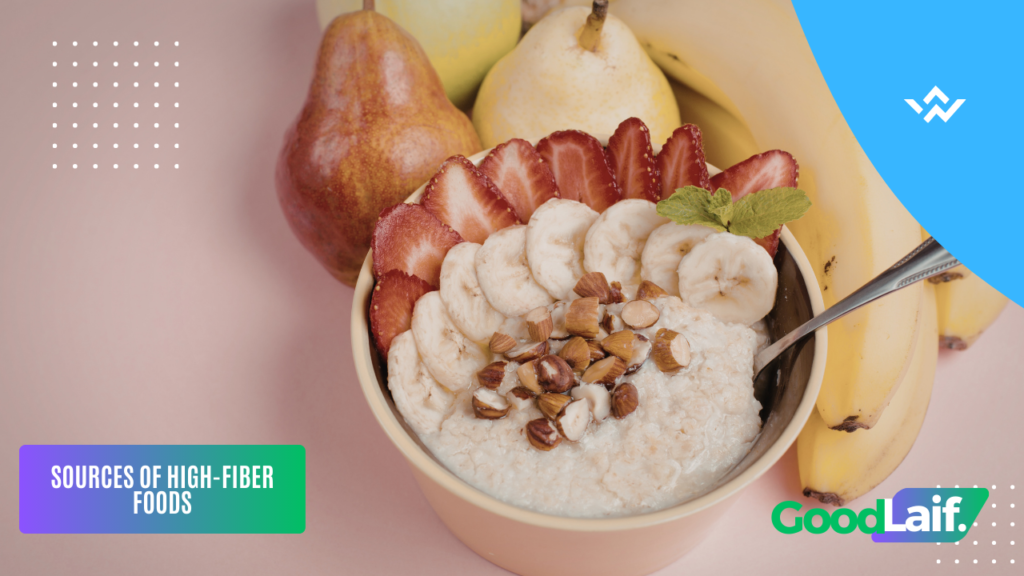
To follow a high-fiber diet, it is important to know which foods to include. Some common sources of fiber include:
- Vegetables such as broccoli, carrots, and spinach
- Fruits like apples, bananas, and pears
- Whole grains such as oatmeal and brown rice
- Legumes and nuts like beans and almonds
By combining these foods in your daily meals, it becomes easier to meet your fiber needs.
Tips for Starting a High-Fiber Diet
Starting a high-fiber diet does not need to be drastic. Instead, it is better to make gradual changes so your body can adjust.
First, try adding more fruits and vegetables to your meals. In addition, choose whole foods instead of highly processed options.
Next, make sure to drink enough water. This is important because fiber works best when combined with adequate fluid intake.
Read Also : Extreme Diets That Are Safe for the Body
Conclusion
Overall, a high-fiber diet is a simple yet effective way to improve your health. From supporting digestion to helping manage weight, the benefits are significant.
However, results do not happen overnight. With consistency and balanced eating habits, you can experience better digestion, improved health, and a more energized lifestyle.









+ There are no comments
Add yours