
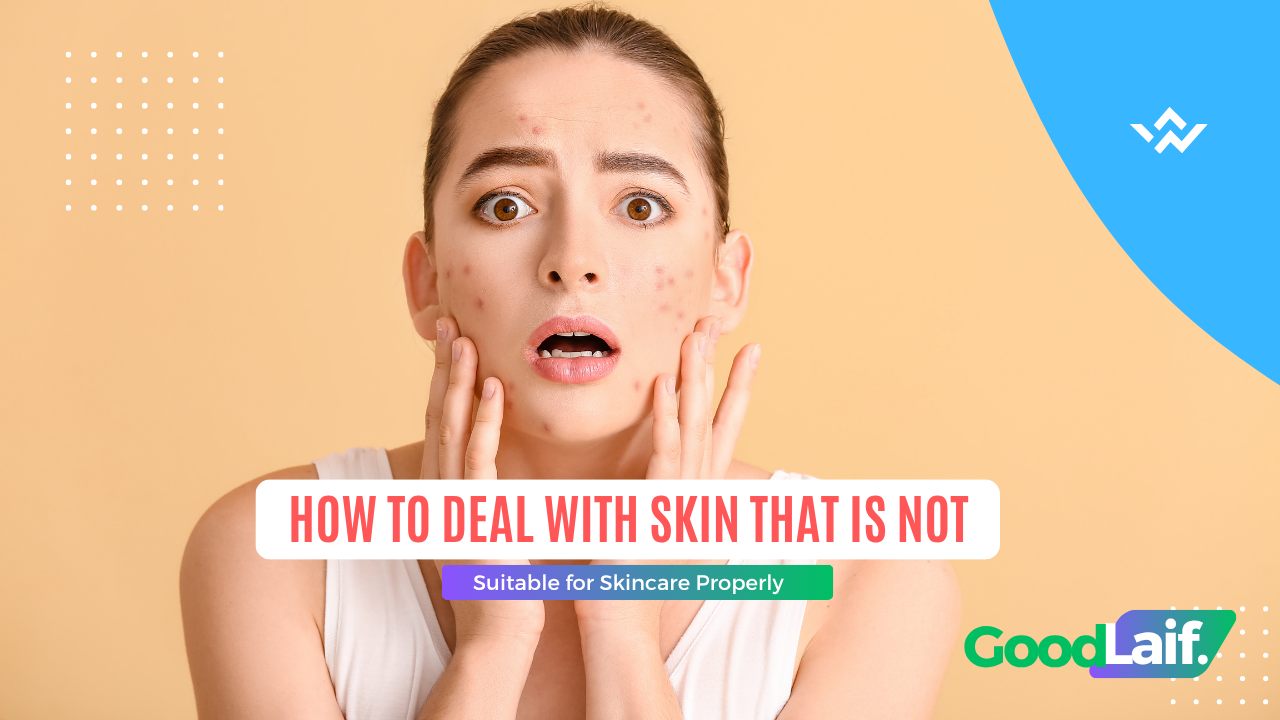
Have you ever experienced red, itchy, or irritated skin after trying a new skincare product? At first, it may seem like a normal reaction, but over time your skin condition may get worse. Many people assume that every skincare product will work well on their skin, even though each person has a different skin type and sensitivity. So, how can you deal with skin that is not suitable for skincare products properly?
Skin reactions to unsuitable skincare products usually happen because certain ingredients trigger irritation or sensitivity. This condition can affect anyone, especially those who use products without understanding their skin type first. The reaction may range from mild discomfort to severe irritation that affects daily activities.
Signs Your Skin Is Not Suitable for Skincare
There are several common signs that appear when your skin does not react well to skincare products, including:
1. Redness on the Skin
Redness is one of the most common signs of irritation caused by certain skincare ingredients.
2. Excessive Breakouts
If pimples appear more than usual after using a new product, your skin may be reacting negatively.
3. Itchy and Burning Sensation
A hot, itchy, or stinging feeling may indicate that the skin barrier is damaged or irritated.
4. Peeling Skin
Some skincare products with strong active ingredients can cause dry and peeling skin if they are not suitable for your skin type.
5. Skin Feels Too Dry or Oily
Sudden changes in skin condition can also be a sign that the product does not match your skin’s needs.
How to Deal with Skin That Is Not Suitable for Skincare
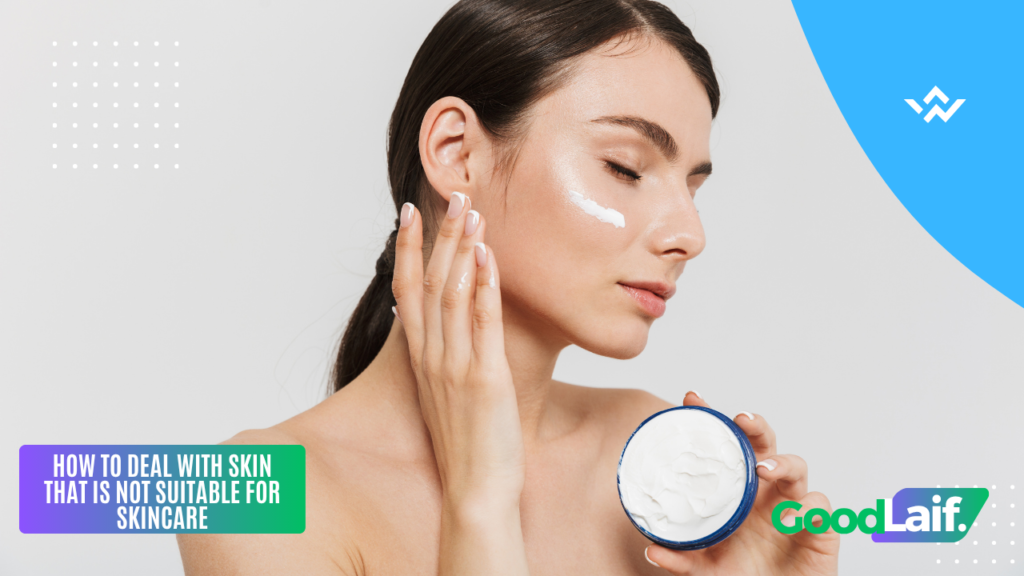
If your skin starts showing signs of irritation, there are several steps you can take to help it recover.
1. Stop Using the Product
The first and most important step is to stop using the skincare product suspected of causing irritation. Continuing to use it may worsen the condition.
2. Use Gentle Skincare Products
Choose products with mild ingredients and avoid strong active substances temporarily to give your skin time to heal.
3. Avoid Excessive Exfoliation
Using scrubs or exfoliating too often can worsen irritation on sensitive skin.
4. Apply Moisturizer
Moisturizer helps maintain the skin barrier and reduces dryness, irritation, and discomfort.
5. Avoid Touching Your Face Frequently
Dirty hands can worsen irritation and trigger additional breakouts.
6. Use Sunscreen
Irritated skin becomes more sensitive to sunlight. Using sunscreen is important to protect the skin from further damage.
Causes of Skincare Irritation
Several factors can cause the skin to react negatively to skincare products, such as:
- Strong active ingredients
- Using too many products at once
- Products not suitable for your skin type
- Allergic reactions to certain ingredients
- Damaged skin barrier
Because of this, it is important to read product ingredients carefully and perform a patch test before using new skincare products.
When Should You See a Dermatologist?
If irritation does not improve within a few days or symptoms such as swelling, severe burning, or skin wounds appear, you should consult a dermatologist immediately. Proper treatment can help prevent more serious skin damage.
In addition, avoid trying too many skincare products at the same time. Introducing products gradually allows your skin to adapt and makes it easier to identify which products are suitable or unsuitable.
Read Also : Skincare Ingredients for Brighter Skin You Should Know
Conclusion
How to deal with skin that is not suitable for skincare starts with stopping the product causing irritation and giving the skin time to recover. Using gentle products, maintaining skin moisture, and avoiding harsh ingredients can help restore healthy skin.
Understanding your skin’s needs before choosing skincare products is very important to avoid irritation and other skin problems. If the condition worsens, consult a dermatologist to receive the right treatment.





+ There are no comments
Add yours