
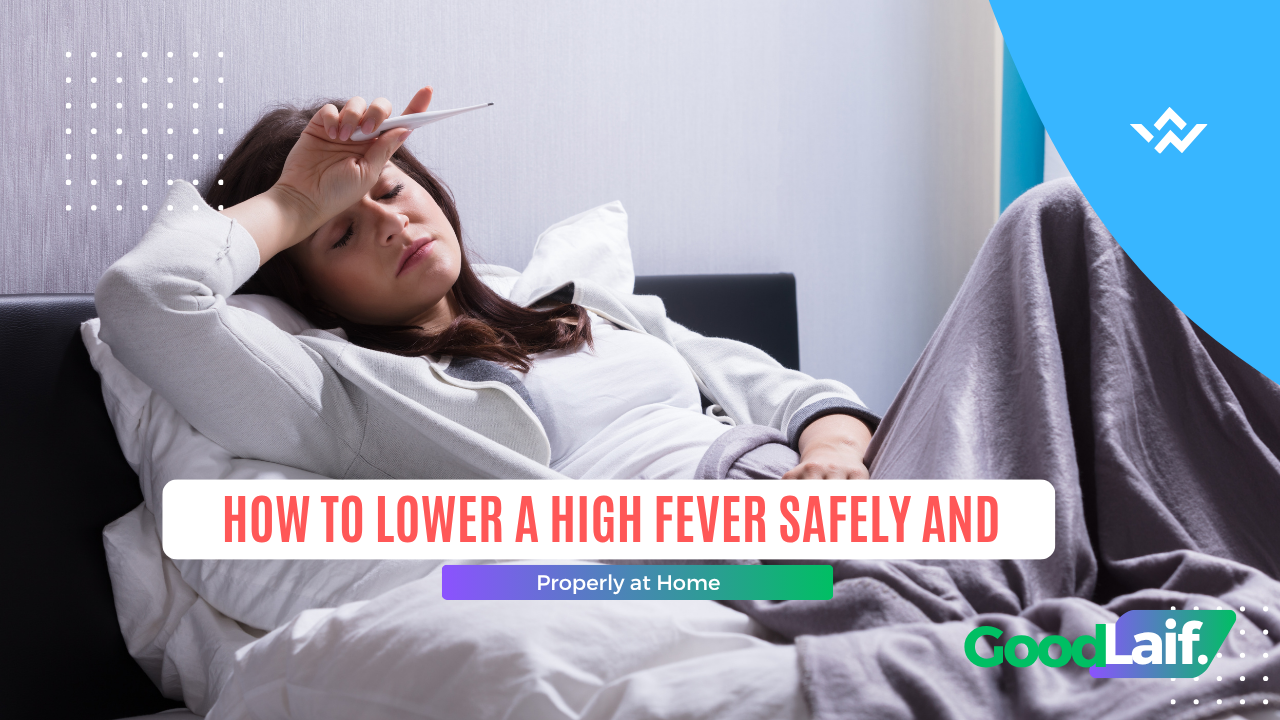
Feeling hot, dizzy, and too weak to do daily activities? When your body temperature rises, many people immediately search for how to lower a high fever to feel better and recover faster.
A fever is a natural response from the body when fighting infections caused by viruses, bacteria, or other health conditions. However, when the temperature becomes too high or comes with certain symptoms, a fever can become uncomfortable and needs proper care.
The good news is that most fevers caused by mild viral infections such as the flu or common cold can improve with home care within 2–3 days. However, some conditions such as dengue fever, typhoid, or serious infections still require medical evaluation.
This article is for educational purposes only and should not replace professional medical advice, diagnosis, or treatment from a doctor.
Understanding the Signs of a High Fever
A normal body temperature is generally around 36–37.5°C. A person is considered to have a fever when their body temperature reaches 38°C or higher. Meanwhile, a high fever usually refers to a temperature around 39.4°C or above, which requires closer monitoring.
Besides an increased body temperature, a high fever may come with symptoms such as:
- Feeling unusually hot
- Chills
- Headache
- Muscle and joint pain
- Feeling weak
- Reduced appetite
- Increased sweating
In some cases, a high fever can also lead to dehydration because the body loses more fluids.
5 Ways to Lower a High Fever at Home
1. Drink More Water
During a fever, the body needs more fluids to prevent dehydration.
Drink water regularly throughout the day. You can also consume warm soup or other fluids to help maintain hydration.
2. Get Enough Rest
The body needs energy to fight the cause of the fever.
Reduce heavy activities and allow your body to recover. Getting enough sleep can support the recovery process.
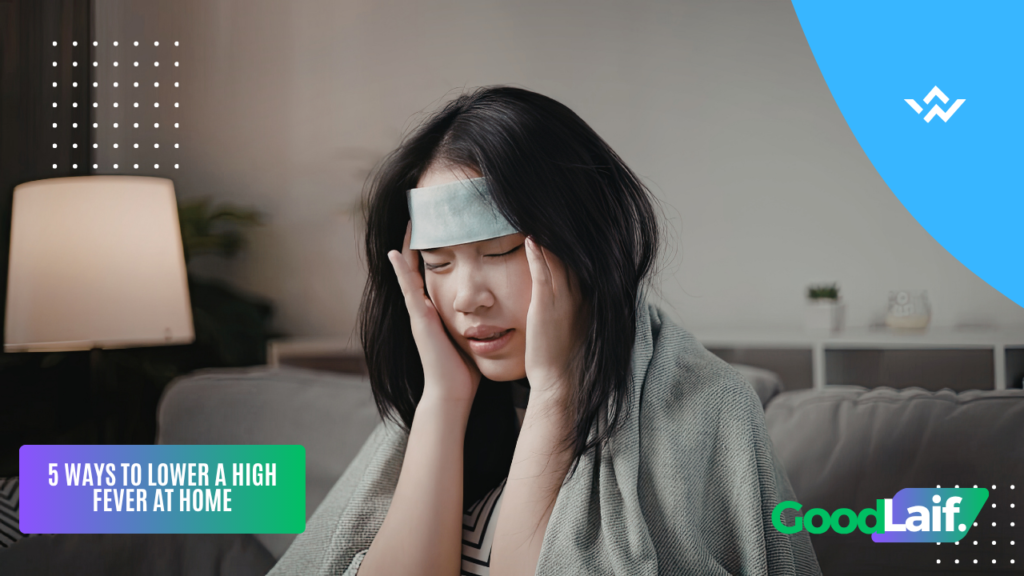
3. Use a Lukewarm Compress
Soak a cloth in lukewarm water around 32–35°C, wring it out, and place it on the forehead, armpits, or groin area for 10–15 minutes. Repeat every 30 minutes if needed.
Avoid using water that is too hot or too cold because it can make your body feel uncomfortable.
4. Wear Comfortable Clothing
Choose lightweight clothing that absorbs sweat easily.
Wearing thick clothes can trap body heat and make it harder for your temperature to decrease.
5. Take Fever-Reducing Medicine as Recommended
If needed, paracetamol can be a first option to help reduce fever.
Ibuprofen may also be used in certain situations, but it should be avoided if you have a history of stomach problems, certain asthma conditions, or possible dengue fever. The dosage should match your age and body weight. For children, consult a doctor or pharmacist before giving fever medicine.
Things to Avoid During a Fever
When experiencing a fever, avoid these habits:
- Not drinking enough fluids
- Forcing yourself to do heavy activities
- Wearing overly thick clothing
- Consuming alcohol
- Ignoring signs of dehydration
Keeping your body hydrated and getting enough rest are simple steps that can support recovery.
When Should You See a Doctor?
Seek medical attention if a high fever is accompanied by:
- Babies under 3 months old with a temperature of 38°C or higher
- Children aged 3–36 months with a temperature above 39°C
- Fever in children lasting more than 24 hours
- Temperature above 39°C that does not improve
- Shortness of breath
- Seizures
- Chest pain
- Persistent vomiting
- Severe dehydration
- Confusion or reduced awareness
- Unusual skin rashes
Babies under 3 months old with a fever of 38°C or higher should be checked by a doctor immediately, even if they still appear active. In this age group, fever can be a sign of an infection that needs further medical evaluation.
Read Also : High Fever? Causes, Symptoms, and How to Treat It
Conclusion
Knowing how to lower a high fever starts with keeping the body hydrated, getting enough rest, using a lukewarm compress, wearing comfortable clothing, and taking fever medicine according to recommendations when needed.
Although many mild viral fevers can improve with home care, do not ignore severe symptoms or a fever that does not get better. If a high fever lasts too long or comes with serious warning signs, contact a healthcare professional for proper evaluation and treatment.





+ There are no comments
Add yours