
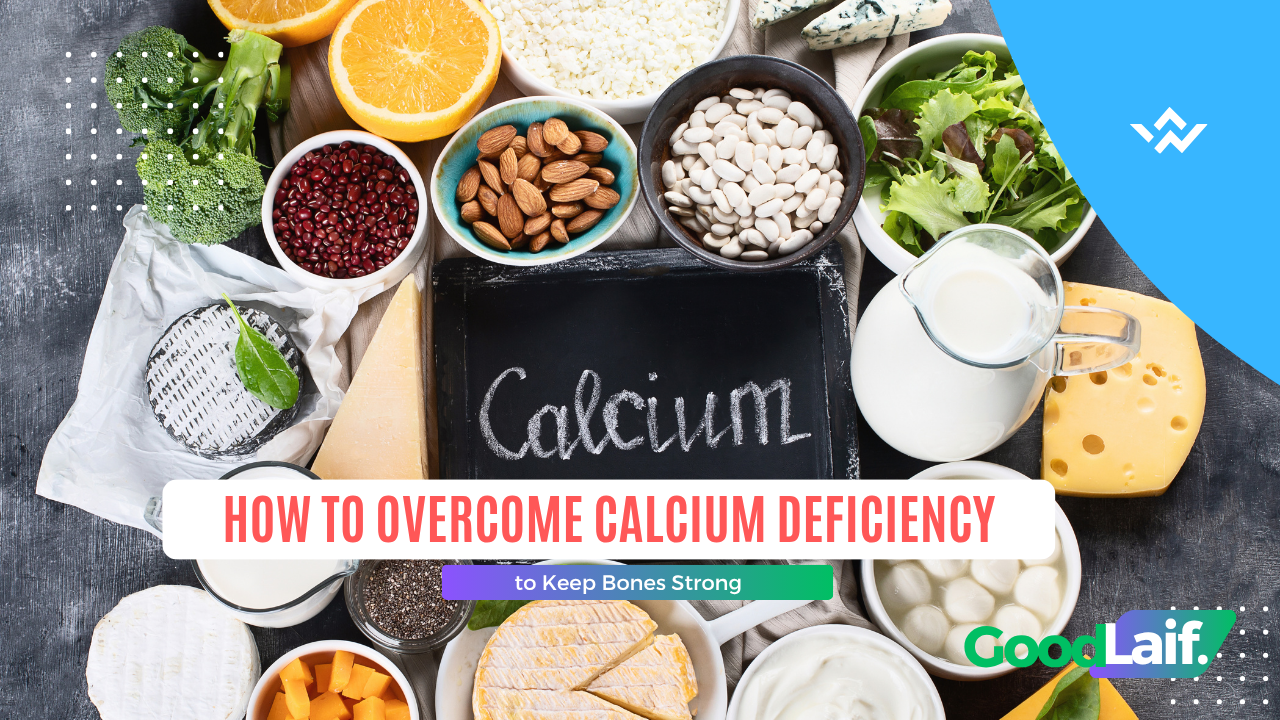
Have you ever experienced muscle cramps, frequent fatigue, or a feeling that your bones are weaker than usual? Many people ignore these signs, but they could indicate a lack of calcium in the body. This condition often goes unnoticed, yet it can lead to serious health problems if left untreated. So, how can you effectively overcome calcium deficiency?
Calcium is an essential mineral that plays a crucial role in maintaining strong bones and teeth, as well as supporting muscle and nerve function. A lack of calcium can result in brittle bones, fatigue, and even irregular heart rhythms. That’s why meeting your daily calcium needs is extremely important.
Causes of Calcium Deficiency
Several factors can lead to calcium deficiency, including:
- A diet low in calcium
- Lack of vitamin D intake
- Excessive caffeine consumption
- Poor nutrient absorption
- Hormonal changes, especially in women
In addition, limited exposure to sunlight can reduce the body’s ability to absorb calcium effectively. Aging also plays a role, as the body becomes less efficient at absorbing nutrients over time.
How to Overcome Calcium Deficiency

To address calcium deficiency, you can take the following steps:
1. Eat Calcium-Rich Foods
Include foods such as milk, cheese, yogurt, fish, and leafy green vegetables in your diet.
2. Get Enough Vitamin D
Vitamin D helps the body absorb calcium more efficiently.
3. Get Sunlight Exposure
Morning sunlight supports natural vitamin D production in the body.
4. Limit Caffeine and Salt
Excessive intake can interfere with calcium absorption.
5. Take Supplements if Needed
If dietary intake is insufficient, calcium supplements may help.
In addition, maintaining a balanced diet is essential to support calcium absorption. Combining calcium-rich foods with protein sources can improve nutrient utilization. Eating regularly throughout the day also helps maintain stable calcium levels.
Signs of Calcium Deficiency
Be aware of the following symptoms:
- Frequent muscle cramps
- Brittle nails
- Fatigue
- Tingling in hands or feet
- Bone pain
In some cases, calcium deficiency can also affect dental health and sleep quality. If these symptoms persist, it is important to seek proper evaluation.
Tips to Maintain Healthy Calcium Levels
To keep calcium levels stable, consider these habits:
- Eat a balanced and nutritious diet
- Exercise regularly
- Avoid unhealthy lifestyle habits
- Spend more time outdoors
- Stay well hydrated
Additionally, staying active and avoiding smoking can support long-term bone health. Light physical activities like walking can naturally improve bone density.
Read Also : Collagen for Bones and Joints: Benefits for Body Health
Conclusion
Learning how to overcome calcium deficiency is essential for maintaining strong and healthy bones. With the right diet and lifestyle, your calcium needs can be met effectively.
Start paying attention to your daily nutrition. With consistent habits, you can protect your bones, improve overall health, and enjoy daily activities with greater comfort and strength








+ There are no comments
Add yours