


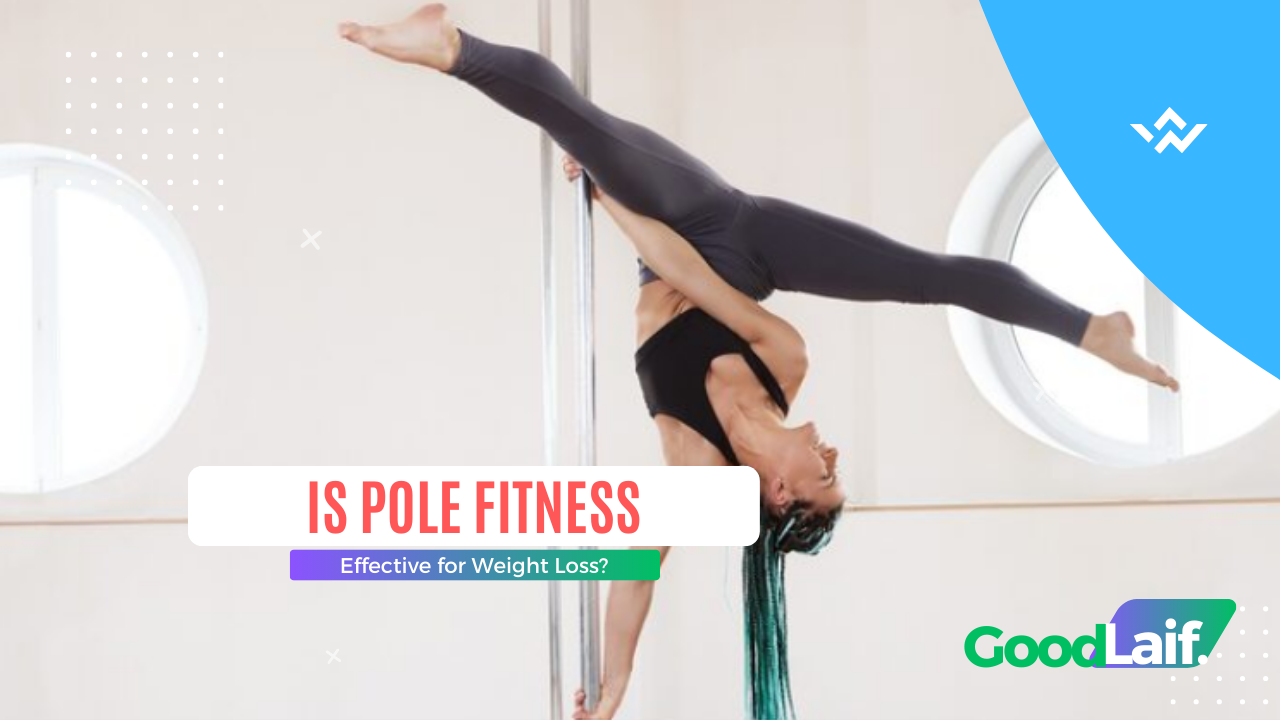
Pole fitness is becoming increasingly popular as an alternative form of exercise that is not only challenging but also enjoyable. Many people recognize it as a workout that combines strength, flexibility, and artistic movement. However, is pole fitness effective for losing weight? To answer this question, it is important to understand how this type of exercise works on the body and what factors influence the weight loss process.
What Is Pole Fitness?
Pole fitness is a form of physical exercise that uses a vertical pole as the main equipment to perform various movements such as climbing, spinning, holding body positions, and transitioning between moves that require strength and body control. This type of training combines several elements of exercise at once, including strength training, cardiovascular exercise, and flexibility training.
Initially, pole was widely known through dance performances. However, in recent years, it has developed into a recognized sport and fitness activity worldwide. Many fitness studios now offer pole training classes as part of their workout programs.
How Does Pole Fitness Burn Calories?
One reason pole training is considered effective for weight loss is the relatively high intensity of the workout. During a training session, the body works hard to lift and support its own weight. This activity engages multiple muscle groups simultaneously.
In a pole training session lasting about 45–60 minutes, a person can burn approximately 250 to 500 calories, depending on several factors such as:
- Body weight
- Workout intensity
- Experience level
- Complexity of the movements performed
Movements such as climbs, spins, and inversions require upper body strength, core engagement, and leg support. The combination of these movements keeps the body active throughout the session, resulting in significant energy expenditure.
Training Multiple Muscle Groups
Pole fitness is known as a full-body workout. Nearly every part of the body is involved in each movement, including:
- Arm and shoulder muscles to support body weight
- Back muscles for stability
- Core muscles to maintain balance
- Thigh and leg muscles to help grip and secure positions on the pole
Because many muscles work simultaneously, the body requires more energy. In addition to burning calories during exercise, pole fitness also helps increase muscle mass. The more muscle mass a person has, the higher their resting metabolism tends to be.
A higher metabolism helps the body burn more calories throughout the day, even when not exercising.
Cardiovascular Benefits and Endurance
In addition to building strength, pole fitness also provides cardiovascular benefits. Repetitive movements and quick transitions between moves increase heart rate, similar to other cardio workouts.
Exercises that raise heart rate can help the body:
- Burn fat more effectively
- Improve stamina
- Support heart health
- Increase lung capacity
For people who feel bored with conventional cardio exercises such as running or cycling, pole fitness can be a more engaging option because of the wide variety of movements involved.
Body Sculpting Benefits
Besides supporting weight loss, pole training is also well known for helping shape the body. Many practitioners report noticeable changes in their body shape after practicing regularly.
Some common physical improvements include:
- Stronger and more toned arms and shoulders
- A more engaged core due to constant abdominal activation
- Stronger back muscles and improved posture
- More toned legs from supporting and stabilizing movements
With the combination of fat loss and increased muscle mass, the body often appears more proportionate and athletic.
Important Factors in Weight Loss


Although pole fitness can help burn calories and improve overall fitness, weight loss is still influenced by several other factors. Exercise alone is not always enough without a healthy lifestyle.
Some important factors to consider include:
Diet
Weight loss occurs when the body experiences a calorie deficit, meaning the number of calories burned is greater than the number of calories consumed. Therefore, maintaining a balanced diet is essential.
Consuming foods rich in protein, fiber, and essential nutrients can support muscle development and maintain energy during workouts.
Consistency in Training
Results from pole fitness do not happen instantly. Regular training, such as two to three sessions per week, usually leads to more visible progress within a few months.
As training becomes more consistent, the body grows stronger and can perform more complex movements, which can also increase calorie expenditure.
Quality of Rest
Adequate rest plays an important role in muscle recovery and metabolism. Lack of sleep can affect hormones that regulate hunger and metabolism, which may slow down the weight loss process.
Is Pole Fitness Suitable for Beginners?
Many people assume pole training can only be done by individuals who already have strong muscles or high flexibility. In reality, most pole classes are designed for beginners.
Instructors typically start by teaching basic movements, such as:
- Basic spin
- Pole walk
- Simple climb
- Floor work
Over time, strength and skill gradually improve. Many beginners actually experience noticeable increases in strength after just a few weeks of training.
Conclusion
Pole training can be an effective form of exercise for supporting weight loss. It combines elements of strength, cardio, and flexibility, allowing the body to burn calories while also improving muscle tone and overall fitness.
However, successful weight loss still depends on other factors such as diet, training consistency, and overall lifestyle habits. When practiced regularly and combined with healthy living, pole fitness can not only help reduce body weight but also improve physical fitness and self-confidence. For those looking for a workout that is both challenging and enjoyable, pole training can be an interesting addition to a regular fitness routine.
READ ALSO ARTICLE: The Benefits Of Physical Fitness For Women: Number 8 is Crucial