


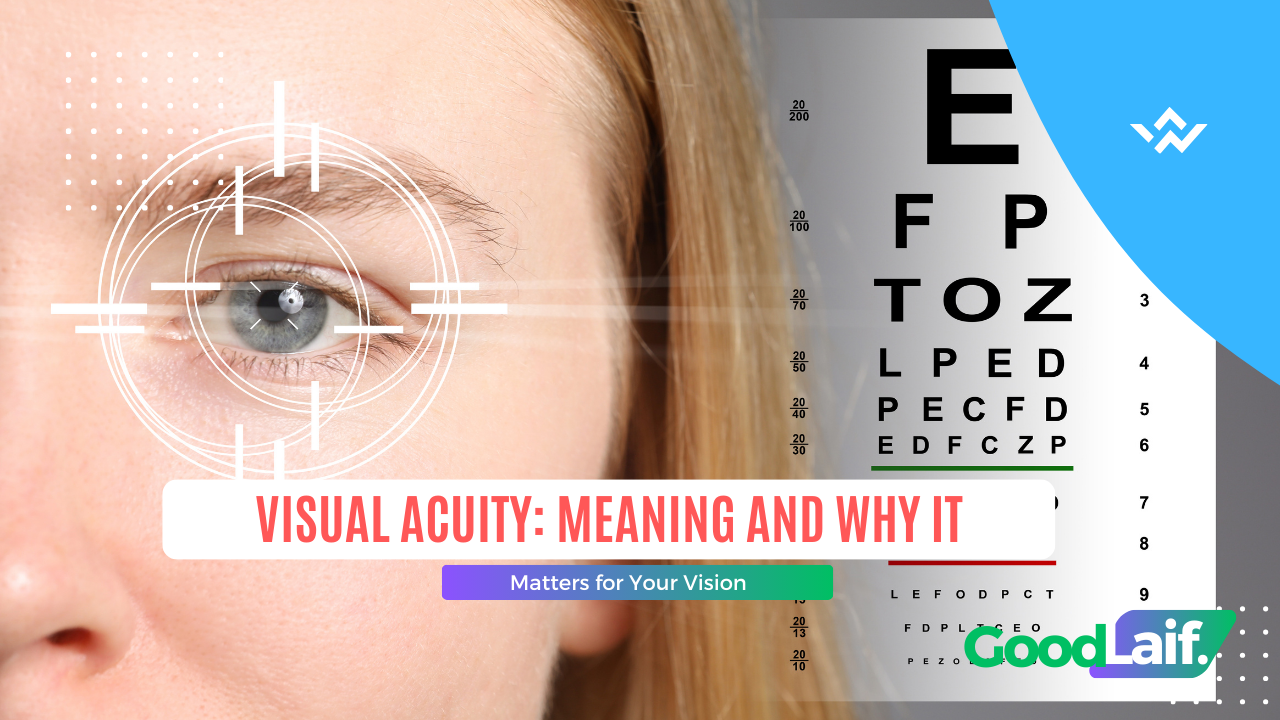
Many people have heard the term visual acuity, especially when they undergo an eye examination at a clinic or hospital. However, not everyone fully understands what this term actually means. When a doctor mentions certain numbers after an eye test, people often become curious. What exactly does visual acuity mean, and how does it affect our ability to see clearly?
Visual acuity is a term used to describe how sharp or clear a person’s vision is. This measurement helps determine how well someone can see objects at a certain distance. The result of a visual acuity test is usually written in numbers or ratios that indicate the quality of a person’s eyesight.
Understanding visual acuity is important because it is directly related to eye health. By knowing the sharpness of your vision, you can determine whether your eyes are functioning normally or if you may need vision correction such as glasses or further medical treatment.
What Is Visual Acuity?
Visual acuity is a measurement used to evaluate the clarity of a person’s vision. This test is commonly performed using a board of letters known as the Snellen chart, which displays rows of letters that gradually become smaller.
During the test, a person is asked to read the letters from a specific distance. Their ability to read the letters determines the visual acuity score. The smaller the letters that can be read clearly, the better the person’s visual acuity.
The results are often written as ratios such as 20/20 or 6/6. These numbers represent the testing distance compared to the distance at which a person with normal vision can clearly see the same object.
Factors That Affect Visual Acuity
Several factors can influence a person’s visual acuity. These factors may be related to eye conditions or everyday habits.
1. Refractive Errors
Refractive errors such as nearsightedness, farsightedness, and astigmatism are among the most common causes of reduced visual acuity. These conditions occur when light entering the eye is not properly focused on the retina.
As a result, objects may appear blurry or unclear.
2. Eye Health Conditions
Certain eye diseases such as cataracts, glaucoma, and macular degeneration can also affect visual acuity. These conditions often develop gradually and may reduce vision if they are not properly treated.
3. Age
As people age, their ability to see clearly may naturally decline. This happens because of changes in the structure and function of the eyes over time.
A common age-related condition called presbyopia can make it more difficult to see objects up close.
4. Excessive Screen Time
Spending too much time using digital devices can also affect eye comfort. Staring at screens for long periods may cause eye strain and fatigue.
Although this habit does not always directly reduce visual acuity, it can still impact overall eye health.
How to Maintain Good Visual Acuity

Maintaining good visual acuity can be achieved through several simple steps. One of the most important is having regular eye examinations, especially if you begin to notice changes in your vision.
It is also helpful to maintain a healthy lifestyle by eating foods rich in vitamin A, vitamin C, and antioxidants that support eye health.
Giving your eyes regular breaks after long periods of screen use can also help reduce eye strain and maintain comfortable vision.
Read Also : Eye Infections Caused by Infrequently Changed Pillowcases
Conclusion
Visual acuity is an important measurement used to determine the clarity and sharpness of a person’s vision. This test helps identify whether the eyes are functioning normally or if there are vision problems that need attention.
By understanding visual acuity and taking proper care of your eyes, you can help maintain clear vision and reduce the risk of future eye problems. Regular eye check-ups and healthy habits play an important role in protecting your eyesight.