
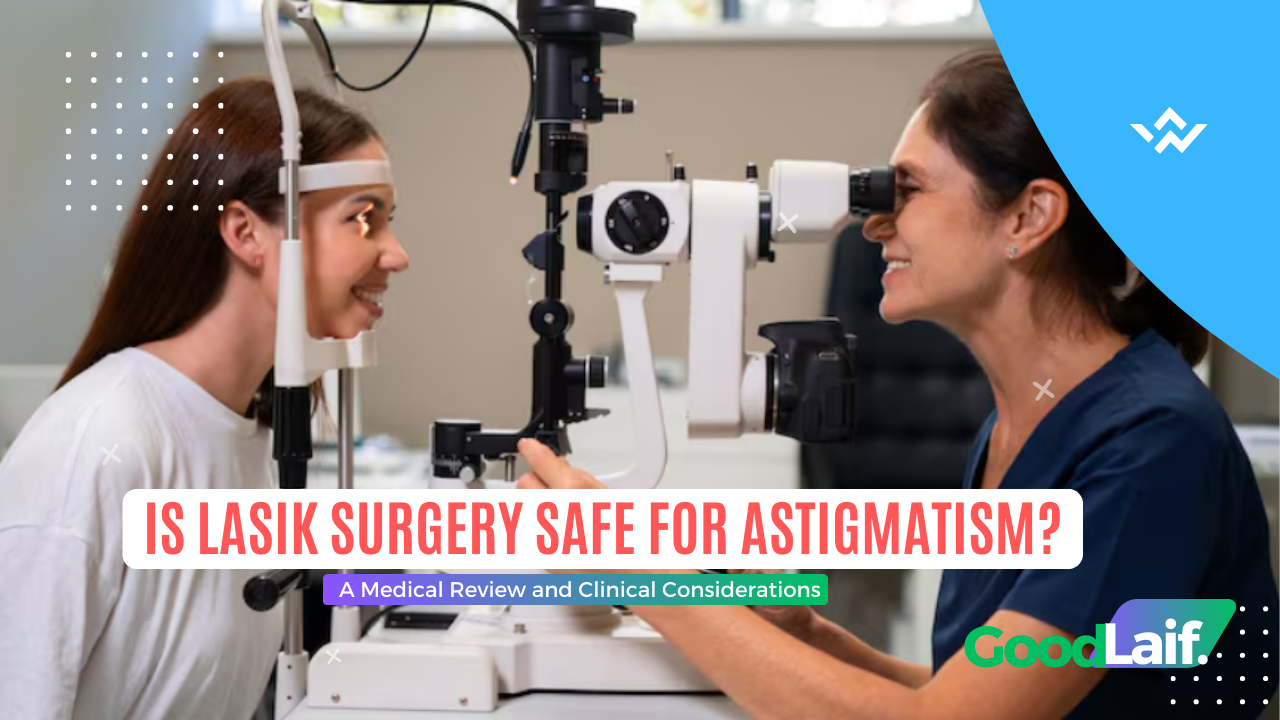
Astigmatism is a common refractive error caused by an irregular shape of the cornea or the eye’s lens. This irregularity prevents light from focusing evenly on the retina, resulting in blurred, distorted, or shadowed vision at both near and far distances. With advances in ophthalmic technology, LASIK eye surgery has become one of the most widely used procedures for vision correction. However, questions remain regarding its safety and effectiveness for individuals with astigmatism. This article reviews the medical aspects, benefits, and important clinical considerations of LASIK for astigmatism.
What Is LASIK Surgery
LASIK is a refractive surgical procedure that utilizes laser technology to reshape the cornea. The primary objective is to improve how light enters the eye and focuses on the retina, thereby enhancing visual clarity without dependence on glasses or contact lenses.
In patients with astigmatism, LASIK corrects the uneven curvature of the cornea, enabling light to focus more uniformly. The procedure is minimally invasive, typically completed within minutes, and performed on an outpatient basis.
Is LASIK Surgery Safe for Astigmatism
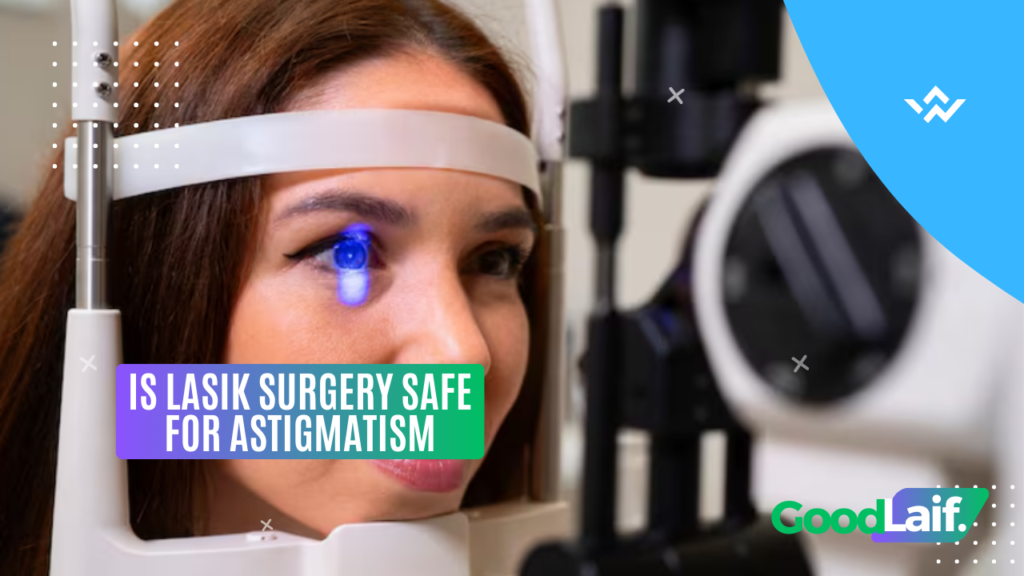
From a medical standpoint, LASIK is considered a safe and effective treatment for astigmatism, particularly in mild to moderate cases. Numerous clinical studies have demonstrated high success rates when patients are carefully selected and evaluated prior to surgery.
The safety of LASIK eye surgery depends on multiple factors, including corneal thickness, stability of the refractive error, overall ocular health, and the laser technology used. When comprehensive preoperative screening is conducted by an experienced ophthalmologist, the likelihood of complications is significantly reduced.
Eligibility Criteria for LASIK Surgery
Not all individuals with astigmatism are suitable candidates for LASIK. General eligibility criteria include:
- A minimum age of 18 to 21 years with stable vision for at least one year.
- Sufficient corneal thickness to allow safe reshaping.
- Absence of active eye conditions such as infections, keratoconus, or severe dry eye.
- Not being pregnant or breastfeeding.
- No systemic diseases that may impair wound healing.
Preoperative examinations usually involve corneal topography, measurement of intraocular pressure, and a comprehensive retinal evaluation.
Benefits of LASIK for Astigmatism

LASIK offers several benefits for patients with astigmatism, including:
- Significant improvement in visual acuity.
- Reduced or eliminated reliance on corrective lenses.
- Rapid recovery, with many patients experiencing clearer vision within a short period.
- High levels of patient satisfaction when appropriate medical criteria are met.
In some cases, LASIK also helps reduce eye strain, headaches, and difficulties with night vision.
Risks and Potential Side Effects
Although LASIK is generally safe, potential risks should be carefully considered. Possible side effects include:
- Temporary dry eye symptoms following surgery.
- Glare, halos, or increased light sensitivity, especially at night.
- Under-correction or over-correction that may require additional treatment or mild glasses.
- Rare complications such as infection or corneal inflammation.
Most side effects are temporary and manageable with proper postoperative care and routine follow-up visits.
Alternatives to LASIK for Astigmatism
For patients who are not ideal candidates for LASIK, alternative procedures such as PRK (Photorefractive Keratectomy), SMILE (Small Incision Lenticule Extraction), or the use of toric contact lenses may be recommended. The most suitable option should be determined through professional evaluation based on individual eye conditions.
Conclusion
LASIK surgery is a safe and effective option for correcting astigmatism in patients who meet established medical criteria. With appropriate screening, modern laser technology, and treatment by qualified eye specialists, visual outcomes are generally favorable.
Nevertheless, the decision to undergo LASIK eye surgery should be made thoughtfully. A thorough consultation with an ophthalmologist is essential to ensure that the procedure aligns with the patient’s ocular health, expectations, and long-term visual needs.
READ ALSO ARTICLE: Myopia and Eye Health Challenges Amid the Proliferation of Digital Screens














+ There are no comments
Add yours