
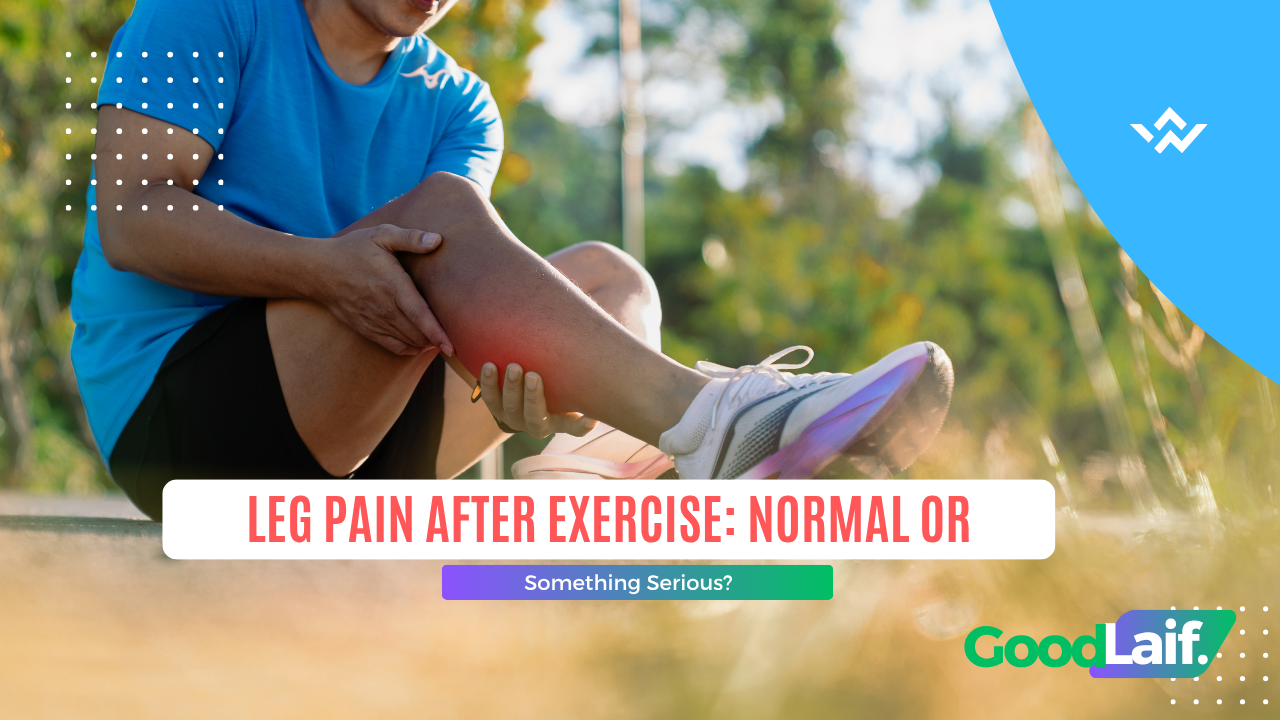
Have you ever experienced leg pain after exercise, especially the day after a workout? This discomfort can make walking feel uncomfortable, climbing stairs more difficult, and even sitting or standing feel sore. Many people worry that this condition is dangerous, but in most cases, leg pain after exercise is actually normal.
This condition usually happens when someone does a workout that is more intense than usual or tries a new type of exercise. The leg muscles that are rarely used will experience stress, which leads to soreness after exercising. Even though it is common, it is still important to understand the causes and how to deal with it so it does not interfere with daily activities.
Causes of Leg Pain After Exercise
One of the main causes of leg pain after exercise is a condition called Delayed Onset Muscle Soreness (DOMS). This is muscle pain that appears 12 to 24 hours after exercise. Usually, the pain reaches its peak within 24 to 48 hours and then slowly disappears.
DOMS occurs because the muscles experience tiny tears when used for intense physical activity. After that, the body repairs the muscle tissue, making the muscles stronger than before. This is why soreness often appears after exercise, especially if you just started working out or increased the intensity of your training.
There are also several other causes of leg pain after exercise, such as:
- Lack of warm-up before exercise
- Not stretching after exercise
- Exercising too intensely
- Wearing uncomfortable sports shoes
- Dehydration
- Muscle fatigue
- Minor muscle or joint injury
How to Relieve Leg Pain After Exercise
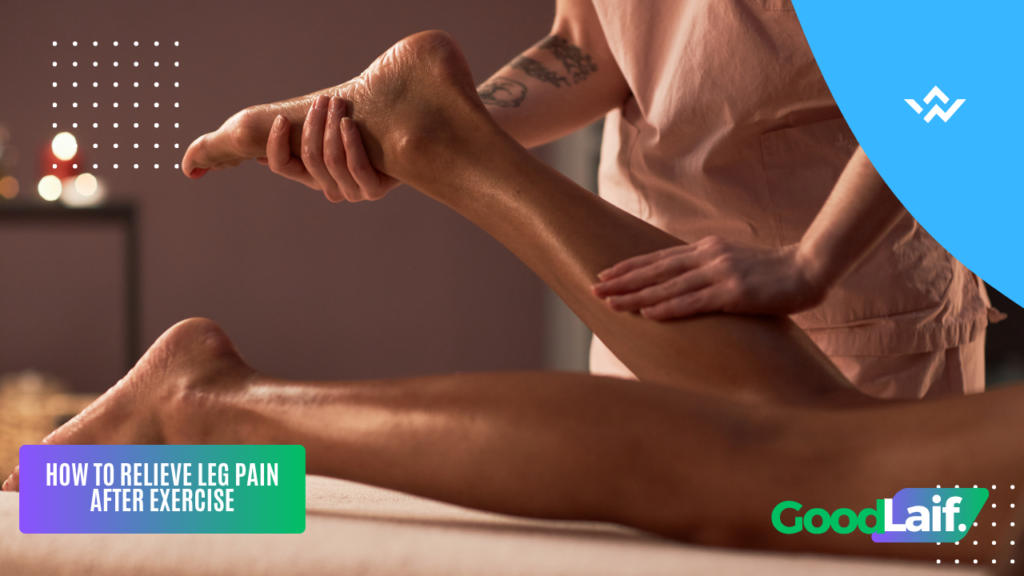
If you experience leg pain after exercise, there are several ways to reduce the soreness. First, rest your legs so the muscles have time to recover. Avoid forcing yourself to exercise when your muscles are still very sore.
Second, you can do light stretching to prevent the muscles from becoming stiff. Stretching helps improve blood circulation and speeds up muscle recovery. In addition, applying a warm compress can help reduce muscle pain and make the muscles more relaxed.
Drinking enough water is also very important because dehydration can make muscles feel more sore and prone to cramps. You can also do a gentle massage on the sore area to help reduce muscle tension and improve circulation.
How to Prevent Leg Pain After Exercise
To prevent Sore legs after exercise, there are several things you can do. First, always warm up before exercising for at least 5–10 minutes. Second, do cooling down and stretching after exercise. Third, increase exercise intensity gradually and avoid doing heavy workouts suddenly.
In addition, wear comfortable sports shoes that match the type of exercise you are doing. This is important to reduce pressure on the legs and prevent injuries.
Read Also : Causes of Calf Pain at Night You Should Know
Conclusion
Sore legs after exercise is a common and normal condition, especially if you are new to exercise or increase your workout intensity. The soreness usually disappears within a few days. However, if the pain is very severe or does not go away for a long time, you should consult a doctor. With proper warm-up, stretching, and gradual exercise, you can reduce the risk of leg pain after exercise and keep your body healthy and active.








+ There are no comments
Add yours