
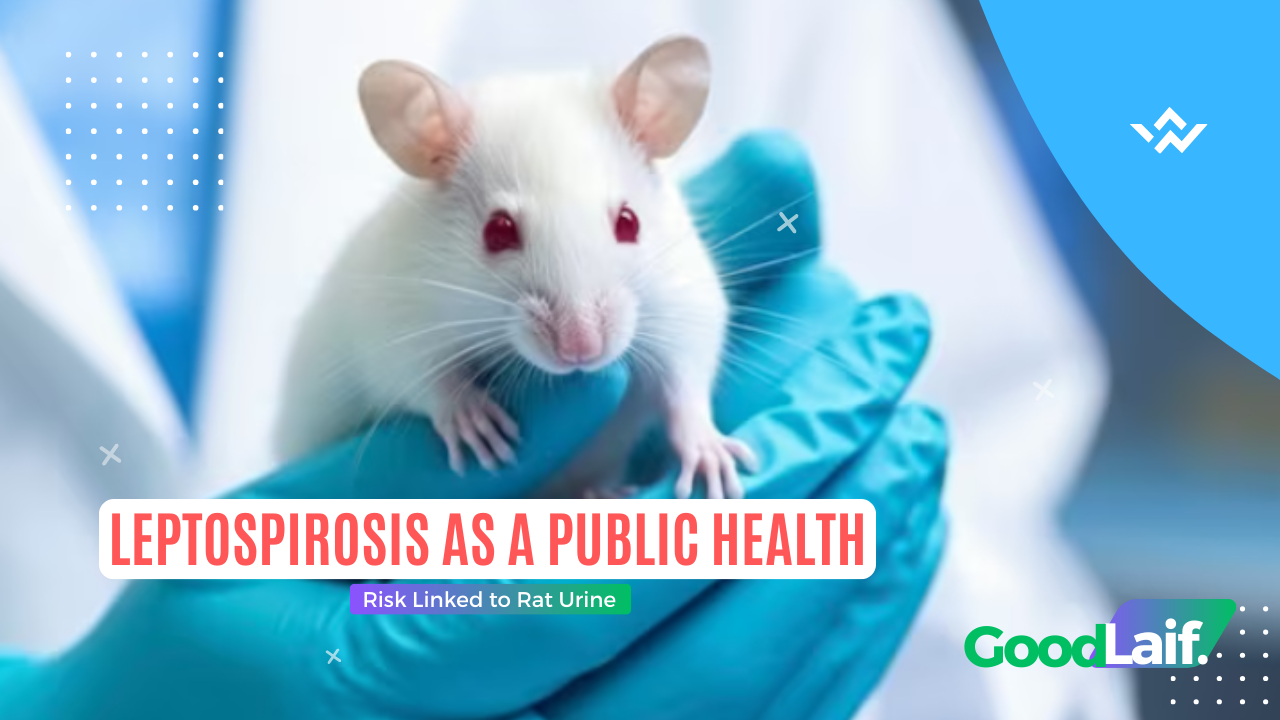
Flooding and poor sanitation often create serious public health challenges, one of which is the increased risk of infectious diseases transmitted from animals to humans. Among these diseases, leptospirosis is a significant concern, particularly in areas where rodent populations are high. Rat urine plays a central role in the spread of this infection, making environmental exposure a critical risk factor.
Rats as Carriers of Harmful Bacteria
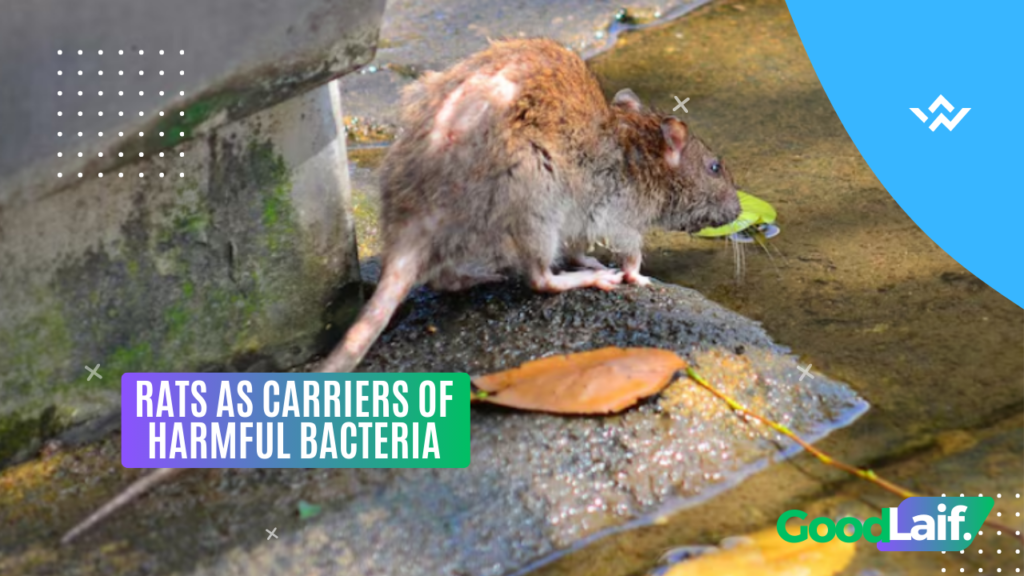
Rats are known carriers of Leptospira bacteria, which reside in their kidneys without causing harm to the animals themselves. These bacteria are released into the environment through urine, contaminating water sources, soil, and surfaces commonly encountered by humans.
In damp conditions, such as during heavy rainfall or flooding, the bacteria can survive for extended periods. This allows contaminated water and mud to become effective transmission pathways, especially in communities with inadequate sanitation infrastructure.
How Infection Occurs
Human infection occurs when contaminated water or soil comes into contact with broken skin, cuts, or mucous membranes such as the eyes, nose, or mouth. Activities like wading through floodwater, cleaning drains, or handling waste without proper protection increase the likelihood of exposure.
The disease is not spread through casual contact between individuals. Instead, infection is closely tied to environmental conditions that allow bacteria from animal waste to enter the human body.
Symptoms and Potential Complications
Early symptoms often appear suddenly and may include fever, headache, muscle pain, nausea, and redness of the eyes. These signs are frequently mistaken for common viral illnesses, which can delay proper diagnosis and treatment.
If left untreated, leptospirosis may lead to severe complications such as kidney dysfunction, liver damage, respiratory distress, or inflammation of the brain. In severe cases, the condition can be life-threatening, particularly for individuals with delayed medical care.
Environmental and Occupational Risk Factors
The risk of infection is higher in flood-prone areas, densely populated settlements, and regions with poor waste management. Flooding forces rats to leave their habitats, spreading urine over wider areas and increasing environmental contamination.
Certain occupational groups, including sanitation workers, farmers, construction workers, and residents of flood-affected communities, face a greater risk due to frequent contact with potentially contaminated environments.
Prevention and Public Health Measures
Preventive efforts focus on improving environmental hygiene and reducing human exposure to contaminated water and soil. Effective waste management, proper drainage systems, and rodent control are essential components of disease prevention.
Personal protective measures, such as wearing boots and gloves when working in high-risk areas, can significantly reduce exposure. Prompt cleaning and protection of open wounds also help prevent bacterial entry. Public awareness plays a vital role in reducing the impact of this disease, particularly during and after flooding events.
Conclusion
Rat urine represents a significant health hazard due to its role in transmitting bacteria that cause leptospirosis. Environmental contamination, combined with flooding and poor sanitation, increases the risk of human infection. Strengthening public health awareness, improving sanitation, and adopting preventive measures are essential steps in reducing the spread of this serious disease and protecting vulnerable communities.
READ ALSO ARTICLE: Emergency Wound Treatment: Effective Open Wound Care During Floods












+ There are no comments
Add yours