
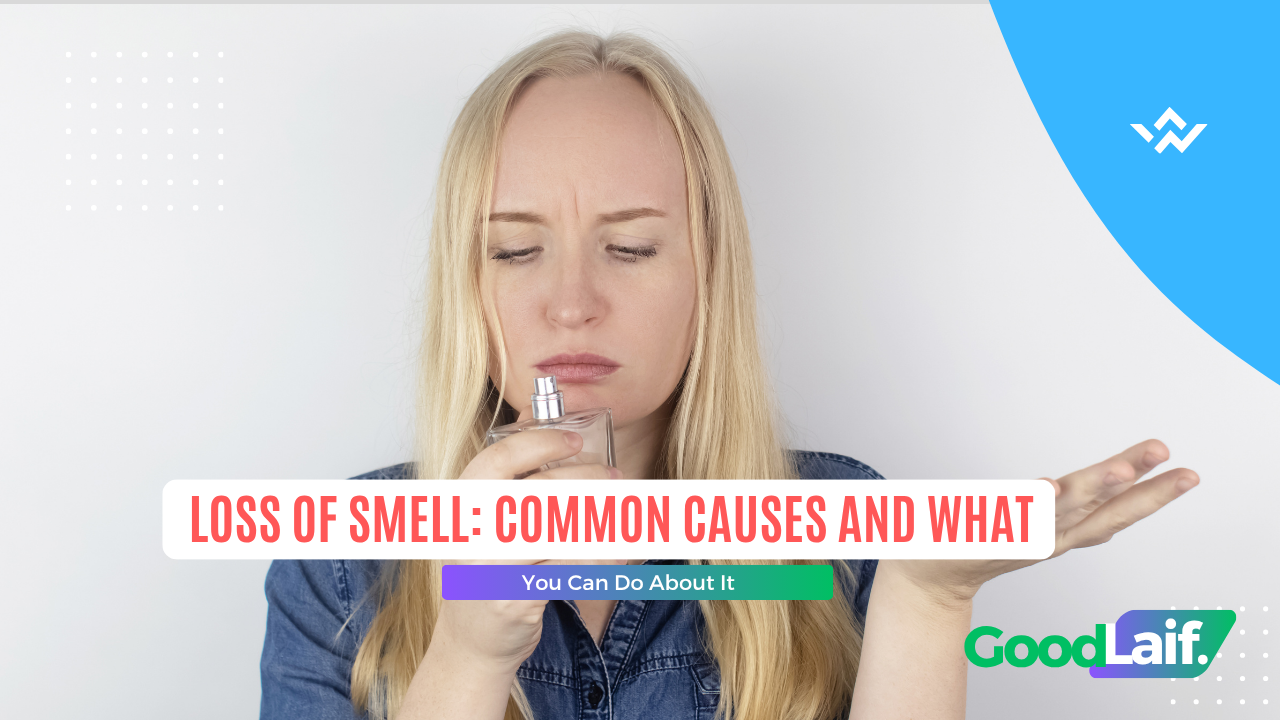
Have you ever poured yourself a fresh cup of coffee only to realize you couldn’t smell it at all? Or maybe your favorite meal suddenly tasted bland because its aroma seemed to disappear. It can be confusing, but loss of smell doesn’t always mean you have a serious health problem. However, if it lasts for a long time or comes with other symptoms, it’s important not to ignore it.
Disclaimer: This article is for general educational purposes only and should not replace professional medical advice or diagnosis. If your symptoms persist or worsen, consult a healthcare provider.
Why Do You Suddenly Lose Your Sense of Smell?
Your sense of smell begins when odor molecules enter your nose and reach special receptors inside the nasal cavity. These receptors send signals through the olfactory nerve to your brain, allowing you to recognize different scents.
When this process is disrupted—either because your nasal passages are blocked or the olfactory nerve is affected—your ability to smell can become weaker or disappear temporarily.
Common Causes of Loss of Smell
1. Cold or Flu
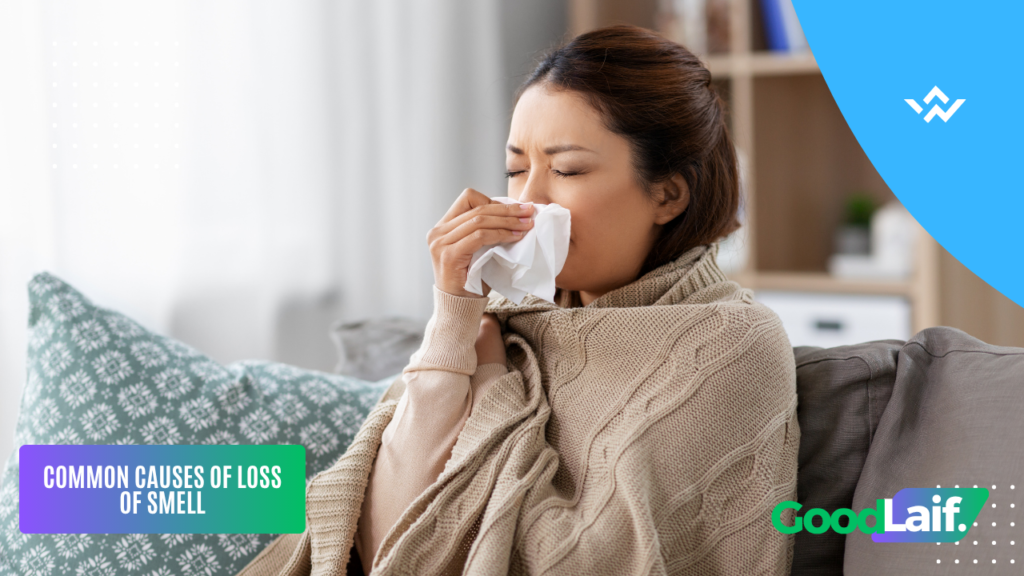
A cold or the flu often causes swelling inside the nose along with excess mucus. This prevents odor molecules from reaching the smell receptors. For example, during a bad cold, your favorite food may taste bland because you can barely detect its aroma.
2. Sinusitis
Inflamed sinuses can narrow the nasal passages and reduce airflow. Many people also experience pressure or pain around the cheeks or forehead, making it harder to recognize different smells.
3. Allergies
Dust, pet dander, and pollen can trigger allergic reactions that cause swelling inside the nose. For instance, after cleaning your house or playing with a cat, your nose may become congested and even the smell of fresh coffee can seem to disappear.
4. Viral Infections
Certain viral infections, including COVID-19, may affect the olfactory nerve. The virus can interfere with the signals that carry smells to the brain, causing a temporary loss of smell even when your nose isn’t blocked.
5. Nasal Polyps
Nasal polyps are soft, noncancerous growths inside the nasal passages. As they become larger, they can block airflow and prevent odors from reaching the smell receptors properly. This condition is often accompanied by long-term nasal congestion, usually affecting one side of the nose.
Can You Recover from Loss of Smell?
For most people, the sense of smell gradually returns once the underlying cause has been treated. Recovery time, however, varies from person to person.
Some people notice parosmia, a condition where familiar scents suddenly smell unpleasant or distorted. Others experience phantosmia, which causes them to smell odors that aren’t actually present. Although these changes can be frustrating, they’re usually temporary and tend to improve as the olfactory nerve recovers.
What You Can Do at Home for Loss of Smell
If your symptoms are mild, these simple steps may support recovery:
- Drink plenty of water.
- Get enough rest.
- Rinse your nose with a sterile saline solution.
- Try smell training by smelling four different scents—such as lemon, rose, clove, and eucalyptus—twice a day. ENT specialists often recommend this technique after viral infections. Smell each scent gently without inhaling too forcefully.
- Avoid cigarette smoke, dust, and other nasal irritants.
- Take medication only as recommended by your doctor if allergies or sinusitis are the cause.
When Should You See a Doctor?
Seek medical attention if you experience any of the following:
- Loss of smell lasting longer than two weeks.
- Symptoms that begin after a head injury.
- A high fever or severe facial pain.
- Frequent nosebleeds or persistent nasal blockage.
- A worsening sense of smell without an obvious cause.
Getting evaluated early helps identify the underlying problem and allows appropriate treatment to begin sooner.
How to Protect Your Sense of Smell
You can help keep your sense of smell healthy by avoiding cigarette smoke, wearing a mask in dusty environments, keeping your nose clean, treating colds or allergies promptly, and maintaining a healthy lifestyle to support your immune system.
Read Also : Blocked Nose Medicine: Breathe Easier with the Right Treatment
Conclusion
Loss of smell is most commonly linked to colds, sinusitis, allergies, viral infections, and nasal polyps. Fortunately, many people recover once the underlying condition is treated.
To help your doctor determine the cause, keep track of when your symptoms started, possible triggers, and any other symptoms you notice. This information can make diagnosis easier and help guide the right treatment. If your sense of smell doesn’t return or continues to worsen, don’t delay seeking medical advice.
This article is intended for educational purposes only and should not replace professional medical advice, diagnosis, or treatment.








+ There are no comments
Add yours