
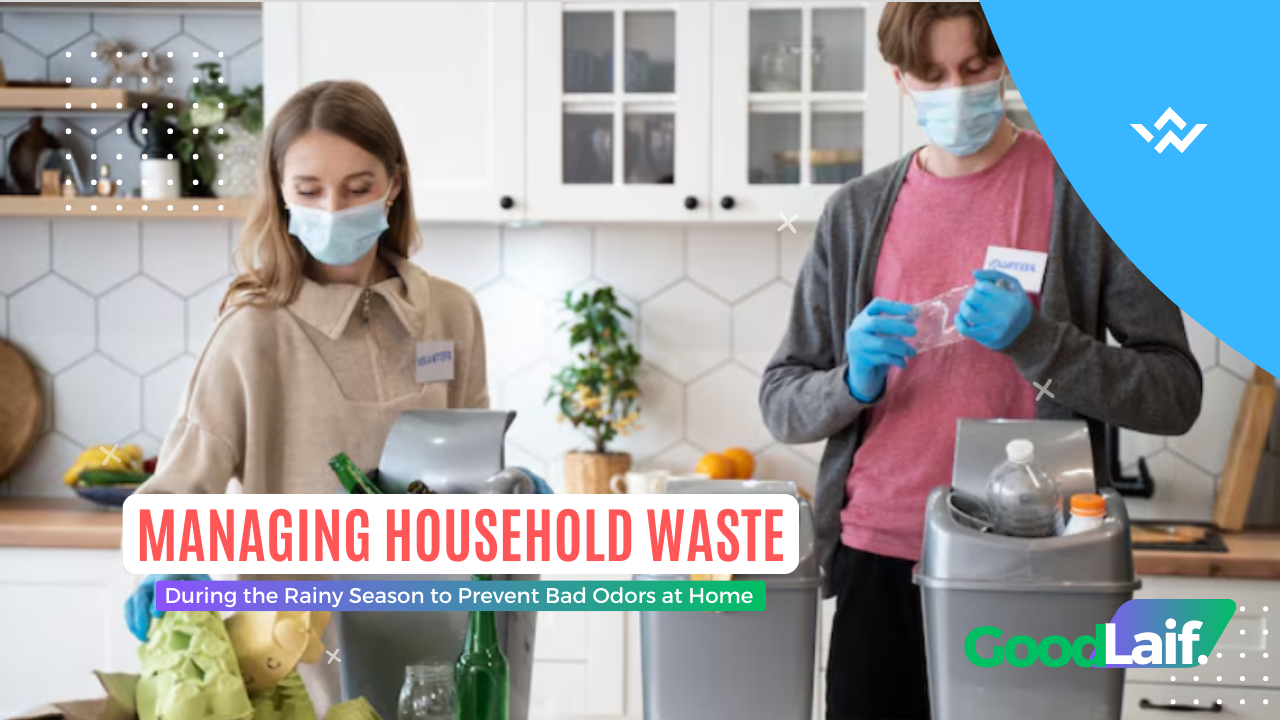
The rainy season often brings its own challenges when it comes to managing household waste. High humidity, rainwater entering trash bins, and faster decomposition processes can cause waste to produce unpleasant odors. If not handled properly, this situation can reduce home comfort and even pose health risks. Therefore, special strategies are needed to keep household waste under control and maintain a fresh-smelling home during the rainy season.
Why Waste Smells Worse During the Rainy Season
During the rainy season, moisture levels in the environment increase significantly. Organic waste such as food scraps, fruit peels, and vegetable leftovers decomposes more quickly when mixed with water. This decomposition process releases gases that cause foul odors. In addition, the damp environment creates ideal conditions for bacteria and odor-causing microorganisms to grow rapidly.
Rainwater that enters trash bins can also dissolve organic residues and spread odors to surrounding areas, especially if the bin is not tightly covered.
Separate Waste at the Source
One of the most important steps in managing household waste is proper separation. Separate organic and inorganic waste from the beginning. Organic waste should be collected in a separate container, as it is the main source of bad odors. Meanwhile, inorganic waste such as plastic, paper, and cans generally does not produce odors if kept clean and dry. Proper waste separation reduces the amount of wet waste and significantly lowers the risk of unpleasant smells inside the home.
Use Covered and Waterproof Trash Bins
During the rainy season, using trash bins with tight-fitting lids is essential. Lids prevent rainwater from entering and help contain odors inside the bin. Choose bins made of durable, easy-to-clean materials such as thick plastic.
Make sure the bottom of the bin is not leaking so that liquid waste does not seep out and create odors on the floor.
Reduce Moisture in Organic Waste
Organic waste should not be disposed of in overly wet conditions. Drain food leftovers before throwing them away, especially soups, sauces, or watery vegetables. You can also wrap organic waste in used paper or newspapers to absorb excess moisture. This simple step is highly effective in slowing down decomposition and minimizing unpleasant odors.
Empty and Clean Trash Bins Regularly
Do not wait until trash bins are full before emptying them, especially during the rainy season. Organic waste should ideally be disposed of daily or at least every two days. The longer waste sits, the stronger the odor it produces.
In addition, clean trash bins regularly using soap or disinfectant. If necessary, use a mixture of water and vinegar or hot water to help eliminate lingering odors and bacteria.
Consider Composting Organic Waste
If possible, composting is an effective long-term solution. By processing food scraps into compost, the amount of organic waste stored at home can be significantly reduced. Properly managed composting systems do not produce unpleasant odors, even during the rainy season.
Use a closed compost bin and maintain a balanced mix of wet and dry materials to ensure optimal composting conditions.
Use Natural Odor Absorbers
To prevent odors around trash storage areas, you can use natural odor absorbers such as charcoal, lime, or coffee grounds. Place these materials at the bottom or corners of the trash bin to help absorb odors and excess moisture. This method is simple, affordable, and safe for indoor use.
Conclusion
Managing household waste during the rainy season requires extra attention to prevent unpleasant odors at home. By separating waste, reducing moisture, using covered bins, and regularly cleaning and disposing of trash, odor problems can be effectively avoided. Good waste management not only improves comfort at home but also supports family health and environmental cleanliness.
READ ALSO ARTICLE: Waste to Energy in Sweden: Turning Trash Into Power










+ There are no comments
Add yours