
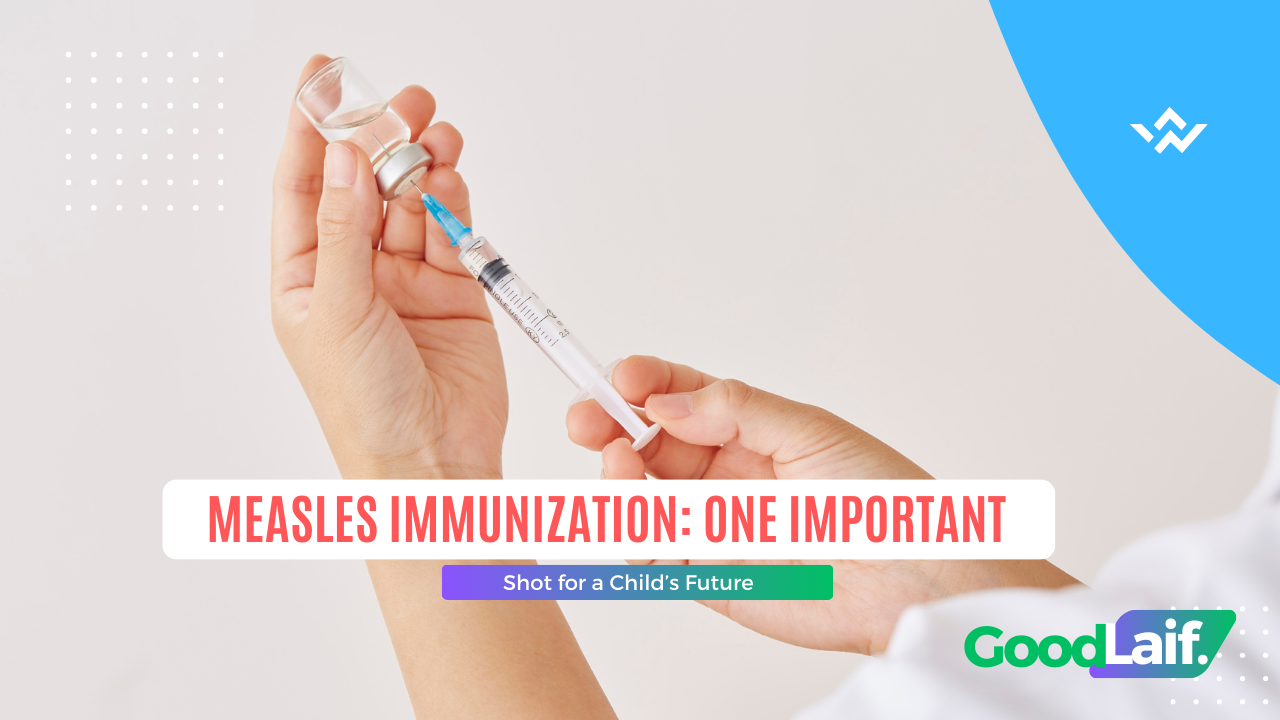
Have you ever wondered why measles is still considered a serious health threat, even though modern medicine has long discovered how to prevent it? Many people assume measles is a mild childhood illness that will resolve on its own. In reality, behind the initial symptoms lies a disease that can lead to dangerous complications. This is why measles immunization remains a crucial step that should never be ignored.
What Is Measles Immunization?
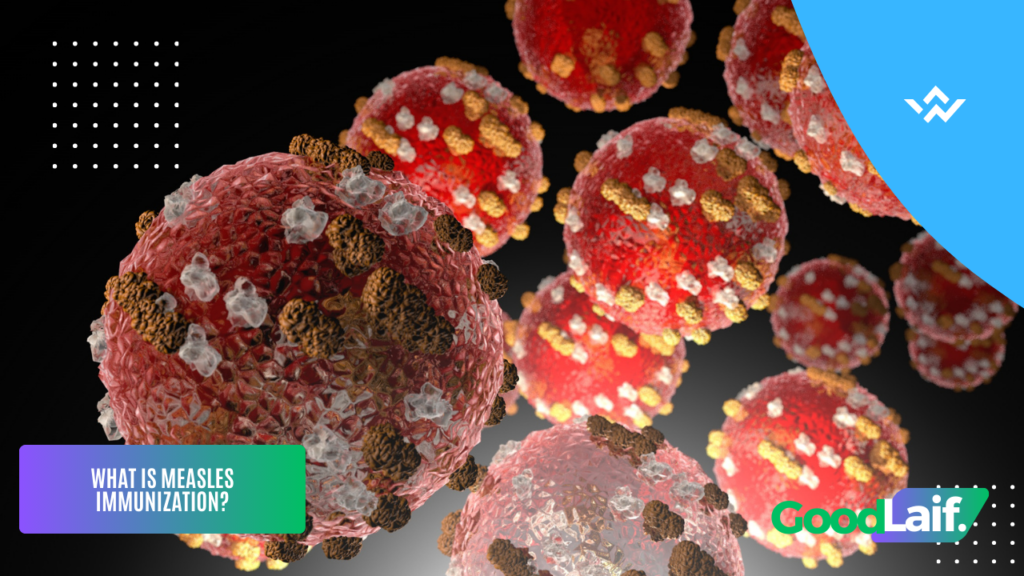
Measles immunization is the process of administering a vaccine designed to protect the body from measles virus infection. The virus is extremely contagious and spreads through the air when an infected person coughs, sneezes, or even talks. Someone who has never had direct contact with a measles patient can still become infected simply by being in the same environment.
The measles vaccine works by stimulating the immune system to produce antibodies. Once these antibodies are formed, the body becomes better prepared to fight the virus if exposure occurs in the future, significantly reducing the risk of illness.
Why Is This Immunization So Important?
Measles is not just characterized by fever and red skin rashes. It can cause serious complications such as severe diarrhea, ear infections, pneumonia, and inflammation of the brain (encephalitis). In certain cases, especially among children with weakened immune systems, measles can even be fatal.
By receiving measles immunization, the risk of contracting the disease can be reduced by more than 90%. In addition to protecting individuals, vaccination plays a key role in building herd immunity. When a large portion of the population is vaccinated, the spread of the virus can be controlled, helping to protect those who cannot receive vaccines due to medical reasons.
Measles Vaccination Schedule to Follow
In Indonesia, measles vaccination is part of the national immunization program. The first dose is generally given when a child is 9 months old. Booster doses are then administered in the form of the MR (Measles-Rubella) vaccine at 18 months of age and again when the child enters elementary school.
Following the recommended vaccination schedule is essential to ensure optimal protection. Delaying or skipping vaccination can leave children vulnerable to measles infection.
Side Effects of the Measles Vaccine
Some parents remain concerned about possible side effects of vaccines. However, the side effects of the measles vaccine are usually mild and temporary. Children may experience low-grade fever, redness at the injection site, or a mild rash, all of which typically disappear within a few days.
When compared to the serious complications caused by measles, vaccine side effects are minimal. The measles vaccine has been used for decades and has proven to be both safe and effective.
Myths and Facts About Measles Immunization
Various myths surrounding measles immunization continue to circulate, such as claims that vaccines can cause developmental disorders or weaken the immune system. However, extensive scientific research has never found evidence to support these claims. Misinformation like this often leads some parents to hesitate in vaccinating their children.
It is essential for parents and communities to seek information from reliable and credible sources so they are not influenced by unfounded rumors.
Read Also : Herpes Zoster: Pain That Appears Before the Skin Rash
Conclusion
Measles immunization is a simple step with a significant impact on protecting children’s health and public well-being. By ensuring that children receive vaccinations on schedule, parents actively contribute to preventing the spread of dangerous diseases and safeguarding the health of future generations.
Do not wait until measles becomes a real threat. One vaccination today can provide lifelong protection and help secure a healthier future for your child.








+ There are no comments
Add yours