
After being sick, your body usually doesn’t bounce back to normal right away. You might get tired after walking for a bit, and your appetite may still not be back. That’s where milk for recovery after illness can be one option to add extra nutrition. Have you ever felt that way too?
But don’t just grab any milk, okay? The type of milk, its nutritional content, and even when you drink it are worth considering. Especially if you’re still recovering and your stomach isn’t completely comfortable yet.
Why Can Milk Help During Recovery?
After being sick, your body needs extra energy to get back to its usual activities. Milk contains protein, carbohydrates, fat, vitamins, and minerals that your body needs.
Protein is important for helping repair parts of the body that were affected during illness. Meanwhile, the carbohydrates and fat can also help add energy, especially when you’re still not ready for a full meal.
But remember, milk isn’t meant to replace your main meals. Try to keep eating nutritious foods and drinking enough water so your nutritional needs are still covered.
How Do You Choose Milk for Recovery After Illness?
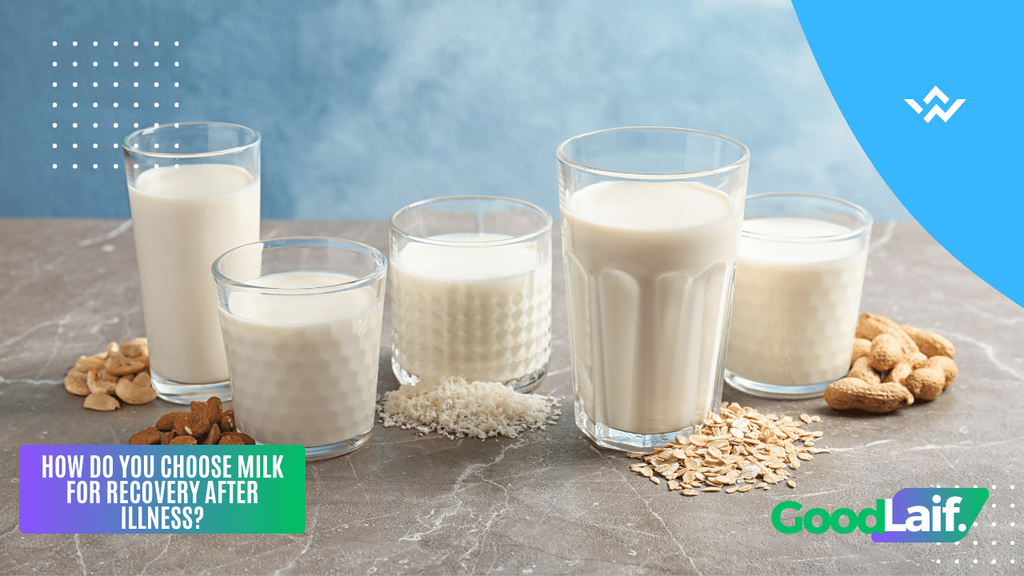
Looking for milk during recovery? Don’t get fooled by the big claims on the front of the package alone. Check the nutrition information too.
1. High-Protein Milk
Milk that’s high in protein can be a good fit if you need to add more protein during recovery. Protein is also important for maintaining muscle and helping the body repair itself.
If your appetite hasn’t fully returned, a glass of milk can be an easier addition than trying to eat a heavy meal.
2. Milk with Enough Calories
After an illness, your body still needs enough energy. If you’re having trouble eating, milk with enough calories can help cover some of your daily food needs.
But don’t immediately pick the milk with the highest calories either. Consider your condition and what your body actually needs.
3. Milk That’s Easy to Digest
Your stomach can feel more sensitive after being sick, especially if you had digestive problems before.
For example, regular UHT milk might make you feel bloated or uncomfortable. If that happens, you can try lactose-free milk, which may be easier to tolerate if you’re sensitive to lactose.
There’s no need to force yourself to drink regular milk if it only leaves your stomach feeling uncomfortable.
When Should You Drink Milk?
There’s no mandatory time to drink milk during recovery. You can simply fit it into your daily meals and routine.
If you’re not ready for a big breakfast, you can have milk with a light meal. You can also drink it as a snack between meals.
The important thing is not to let milk make you too full to eat your main meal. Your body still needs protein, vegetables, fruit, and carbohydrates from other foods.
Read Also : Collagen Milk for Bones and Joints: Does It Really Work?
Don’t Rely on Milk Alone
Milk is convenient, but getting back to feeling fit isn’t just about drinking milk. Your body still needs nutritious food, enough fluids, proper sleep, and gradual activity.
If you continue feeling weak, have trouble eating, lose weight without trying, or have other symptoms that don’t improve, don’t just rely on milk. It’s better to talk to a doctor nearby.
So, think of milk as a helpful recovery companion, not a magic fix for getting better quickly.








+ There are no comments
Add yours