
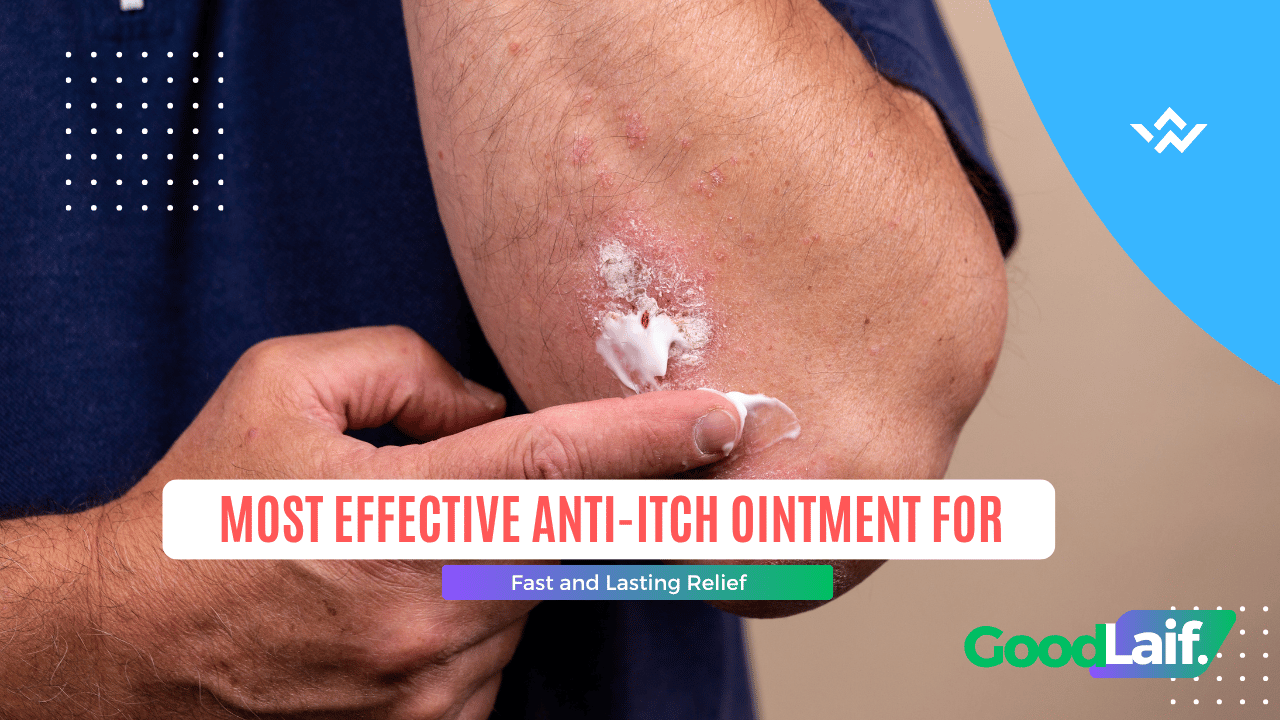
Itchy skin can be incredibly frustrating. You finally get a little relief after scratching, but just a few minutes later the itching comes back like it never left. Sometimes it even causes redness, soreness, and makes it hard to sleep. That’s why many people start looking for the most effective anti-itch ointment to get quick relief.
But don’t just grab any ointment off the shelf. Itchy skin can have different causes, including allergies, fungal infections, insect bites, or skin irritation. The right ointment depends on what’s causing the itch.
5 Types of the Most Effective Anti-Itch Ointments
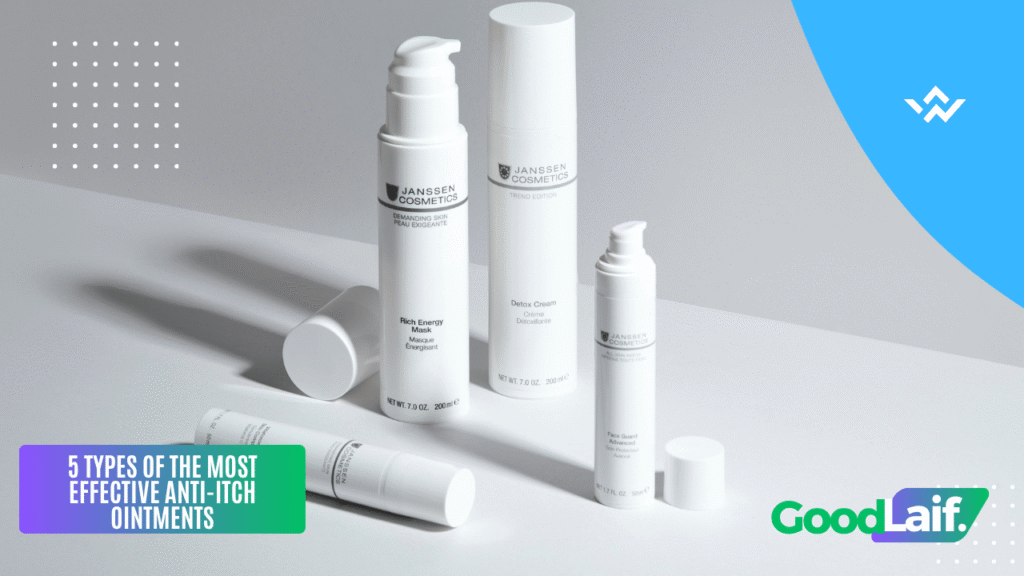
Before buying one, let’s get to know the most common types of anti-itch ointments and when they’re usually used.
1. Antihistamine Ointment for Allergies
If your skin starts itching after exposure to dust, certain foods, or insect bites, an antihistamine ointment may help.
This type of ointment helps reduce allergic reactions, allowing the itching to gradually fade. However, if your allergy becomes severe or causes difficulty breathing, don’t rely on an ointment alone. Seek medical attention immediately.
2. Antifungal Ointment for Fungal Infections
If your itchy skin is also red, flaky, or forms a circular rash, a fungal infection may be the cause.
In this situation, an antifungal ointment is usually the better choice. Be sure to use it as directed and continue the treatment even after the itching improves so the infection can clear completely.
3. Corticosteroid Cream for Inflammation
If the itching is caused by eczema or dermatitis, your doctor may recommend a corticosteroid cream.
This cream helps reduce inflammation, making your skin feel more comfortable. Since it’s a stronger medication, avoid using it for long periods without medical advice.
4. Moisturizing Ointment for Dry Skin
Did you know that dry skin is one of the most common causes of itching?
If dryness is the problem, moisturizers containing ingredients like ceramides or glycerin can help reduce itching while protecting your skin from further irritation.
5. Calamine Ointment for Mild Itching
If the itching is caused by heat rash, mosquito bites, or minor skin irritation, a calamine ointment can be a good option.
It provides a cooling sensation that helps soothe itchy skin and makes you feel more comfortable.
Now that you know the different types of ointments, there are also a few simple habits that can help them work even better.
How to Make Anti-Itch Ointment Work Better
Using an ointment is important, but these simple habits can also speed up your recovery.
- Avoid scratching your skin because it can make irritation worse.
- Keep your skin clean and dry, especially if the itching is caused by a fungal infection.
- Use a mild soap without strong fragrances.
- Apply moisturizer regularly if your skin tends to be dry.
- Stay away from allergy triggers if you already know what causes your reaction.
Small habits like these often make a big difference during recovery.
When Should You See a Doctor?
Although itchy skin often improves with proper care, you should see a doctor if you notice any of these signs:
- The itching lasts for more than two weeks.
- The skin becomes infected or starts oozing fluid.
- The itching spreads across large areas of your body.
- You develop a fever or significant swelling.
- The ointment doesn’t improve your symptoms.
If any of these happen, it’s best to see a doctor so you can get the right treatment.
Read Also : Itchy Skin Between Fingers: Causes You Should Watch Out For
The Bottom Line
Choosing the most effective anti-itch ointment isn’t just about picking the strongest product. The best choice depends on what’s causing your itchy skin. Some conditions respond better to antihistamine ointments, while others require antifungal treatments, corticosteroid creams, moisturizing ointments, or calamine.
If the itching doesn’t improve or continues to get worse, don’t try to guess the cause yourself. Seeing a healthcare professional is the best way to get the right treatment.
What usually causes your itchy skin? Allergies, fungal infections, or dry skin? Share your experience in the comments!
Note: This article is for general informational purposes only and should not replace professional medical advice. If your symptoms persist or become more severe, consult a healthcare professional.


+ There are no comments
Add yours