


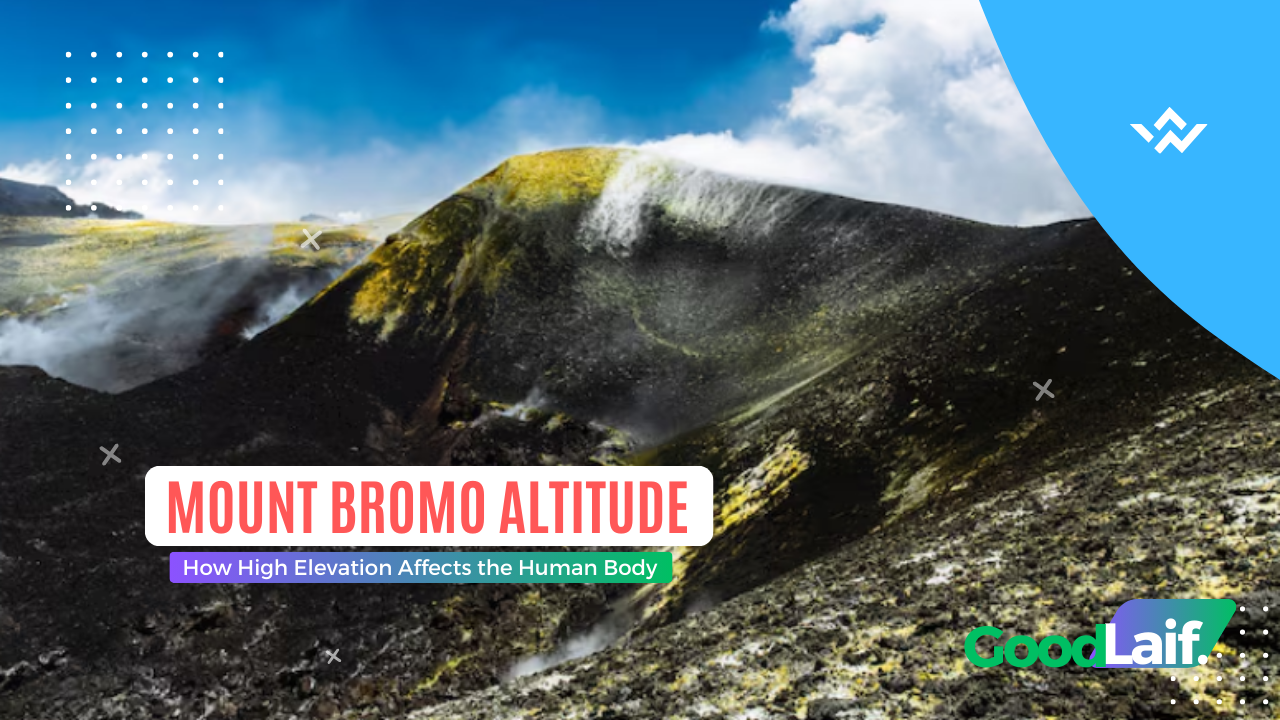
Mount Bromo is one of the most popular natural tourism destinations in Indonesia. Located within the beautiful Bromo Tengger Semeru National Park, the mountain attracts thousands of visitors every year who come to enjoy its volcanic landscape and breathtaking sunrise views. Besides its scenic beauty, the Mount Bromo altitude also creates unique environmental conditions that can influence how the human body responds during a visit. Understanding how altitude affects the body can help travelers prepare themselves before exploring this remarkable volcanic region.
Lower Oxygen Levels at Higher Elevations
One of the most noticeable environmental differences in mountainous areas is the decrease in oxygen availability. The Mount Bromo altitude, which reaches approximately 2,300 meters above sea level, means that the air pressure is lower than in coastal or lowland areas.
When air pressure decreases, the amount of oxygen in each breath becomes slightly lower. As a result, some visitors may experience mild physical reactions such as shortness of breath, light dizziness, or feeling tired more quickly when walking uphill or climbing stairs.
The body usually responds by increasing breathing rate and heart rate to maintain an adequate oxygen supply. For most healthy individuals, these adjustments happen naturally and quickly.
Cold Temperatures in the Mountain Environment
Another characteristic of the Mount Bromo altitude is its colder climate compared to surrounding lowland regions. Temperatures in the early morning can drop significantly, especially when visitors gather at sunrise viewpoints.
Cold weather can cause the body to react in several ways. Blood vessels may constrict to conserve body heat, and muscles may feel stiffer than usual. In some cases, the body begins to shiver as a natural response to produce warmth.
Wearing proper clothing such as warm jackets, gloves, and hats is important to maintain body temperature and remain comfortable while enjoying the scenery.
Respiratory Response to Mountain Air
Mountain environments often have drier air and may contain volcanic dust particles, especially in active volcanic areas like Bromo. Combined with cooler temperatures, this condition can sometimes irritate the respiratory tract.
Visitors may occasionally experience symptoms such as a dry throat, mild coughing, or slight breathing discomfort. These reactions are typically temporary and improve once the body adjusts to the environment.
Because of these conditions, some travelers choose to wear masks to protect their respiratory system while walking around the volcanic landscape.
Individual Differences in Adaptation
People respond differently to high-altitude environments. While most visitors can comfortably adapt to the Mount Bromo altitude, certain groups may be more sensitive to environmental changes.
Individuals with respiratory conditions, heart problems, or reduced physical endurance may feel the effects of altitude more strongly. Elderly travelers and young children may also require additional attention to ensure they remain comfortable and safe during the trip.
Preparing physically before visiting mountainous areas can help reduce potential discomfort.
How the Body Adjusts to Altitude
The human body has a remarkable ability to adapt to environmental changes. When exposed to higher elevations, the respiratory and circulatory systems gradually adjust to maintain oxygen delivery throughout the body.
Although the Mount Bromo altitude may initially feel different for some visitors, the body typically adapts within a short period of time. Taking breaks, avoiding excessive physical activity, and staying hydrated can help support this adaptation process.
These simple steps allow travelers to enjoy the experience while minimizing physical discomfort.
Tips for Staying Healthy While Visiting Mount Bromo
To ensure a comfortable visit, travelers can follow several practical tips:
- Wear layered clothing to stay warm in cold mountain temperatures
- Avoid overly strenuous activities when first arriving
- Drink enough water to prevent dehydration
- Rest if experiencing dizziness or fatigue
- Use a mask if the air feels dusty or dry
These precautions can help maintain physical well-being while exploring the volcanic landscape.
Conclusion
Visiting Mount Bromo offers a unique experience shaped by its volcanic terrain and mountainous environment. The Mount Bromo altitude creates conditions such as cooler temperatures and slightly lower oxygen levels that may influence how the body feels during the trip.
Most of these effects are mild and temporary, especially for healthy travelers. With proper preparation and awareness, visitors can fully enjoy the natural beauty and unforgettable atmosphere of one of Indonesia’s most iconic mountain destinations.
READ ALSO ARTICLE: Eye Cancer is Caused By Ultraviolet (UV) Radiation