


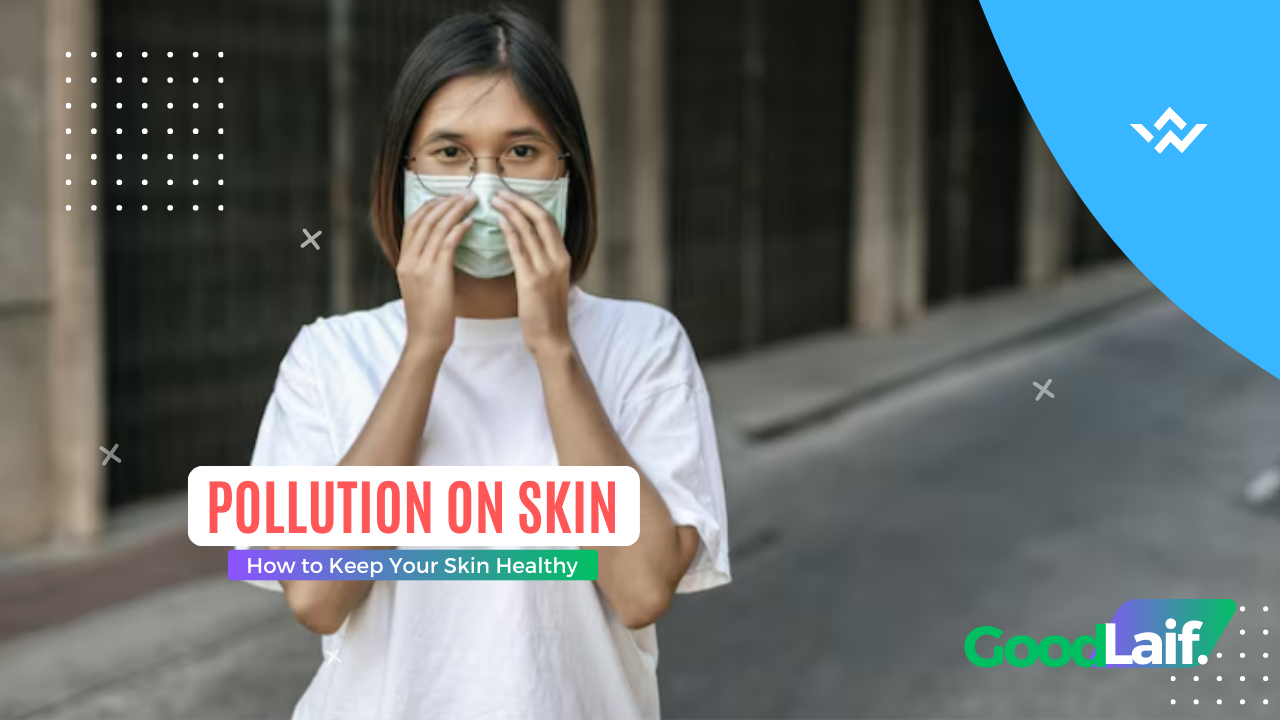
Air pollution has become an increasingly serious environmental issue in many major cities. Exposure to dust, vehicle emissions, heavy metal particles, and chemical substances in the air does not only affect respiratory health but can also damage skin health. Without proper protection and care, pollution on skin can lead to dullness, irritation, and faster signs of aging.
Continuous exposure to polluted air can also worsen various skin problems such as acne, hyperpigmentation, and inflammation. Because of this, understanding how to protect the skin is essential, especially for people who live or work in areas with high levels of air pollution.
The Impact of Pollution on the Skin
Tiny pollution particles can easily stick to the surface of the skin and penetrate the pores. If these particles are not properly removed, they can accumulate and trigger several skin issues. Some common effects of air pollution on the skin include:
- Dull skin that loses its natural glow
- Acne and blackheads caused by clogged pores
- Irritation and redness, especially for sensitive skin
- Premature aging such as wrinkles and fine lines
- Uneven skin tone or hyperpigmentation
Over time, pollution on skin can weaken the skin barrier and cause chronic inflammation, making the skin more vulnerable to damage.
Cleanse Your Face Thoroughly
One of the most important steps in protecting your skin is cleansing your face properly. Dust, smoke, and other pollutants can build up on the skin throughout the day.
Washing your face twice daily with a cleanser suitable for your skin type helps remove dirt, excess oil, and pollution residue. For people who spend a lot of time outdoors, double cleansing can be a helpful method to ensure the skin is completely clean. Regular cleansing helps prevent clogged pores and reduces the risk of acne and other skin problems.
Use Moisturizer to Strengthen the Skin Barrier
Pollution can weaken the natural protective barrier of the skin, making it dry and more prone to irritation. Using a moisturizer regularly helps restore hydration and strengthen the skin barrier.
Healthy and hydrated skin is better able to defend itself from environmental damage. Moisturizers also help maintain smooth and glowing skin even when exposed to harsh environmental conditions.
Choose a moisturizer that suits your skin type so that it works effectively and provides optimal protection.
Apply Sunscreen Every Day
Sun exposure combined with air pollution can significantly worsen skin damage. Ultraviolet rays can increase oxidative stress on the skin, especially when pollutants are present.
Applying sunscreen daily helps protect the skin from harmful UV rays and reduces the overall impact of pollution on skin. Dermatologists generally recommend using sunscreen with at least SPF 30 and reapplying it every few hours if you spend time outdoors. Regular sunscreen use also lowers the risk of serious skin conditions such as skin cancer.
Eat Foods Rich in Antioxidants
Healthy skin also depends on proper nutrition. Foods rich in antioxidants help the body fight free radicals caused by pollution and environmental stress.
Some foods that are beneficial for skin health include:
- Fruits such as oranges, strawberries, and blueberries
- Green vegetables like spinach and broccoli
- Nuts and seeds
- Fish that contain omega-3 fatty acids
Antioxidants help repair damaged skin cells and support healthier skin from within.
Avoid Touching Your Face with Dirty Hands
Hands frequently come into contact with surfaces that contain bacteria and pollution particles. Touching your face with unclean hands can transfer these contaminants to the skin.
This habit can worsen acne and irritation, especially if your skin is already exposed to pollution. Keeping your hands clean and avoiding unnecessary contact with the face can reduce the risk of skin problems. Reducing direct contact also helps limit the buildup of pollution on skin, which can otherwise lead to clogged pores.
Exfoliate Regularly
Exfoliation helps remove dead skin cells and accumulated impurities from the skin’s surface. Regular exfoliation can make the skin appear brighter and smoother while preventing clogged pores.
However, exfoliation should not be done too frequently. Over-exfoliating can damage the skin barrier and cause irritation, particularly for sensitive skin types. Performing exfoliation once or twice a week is generally enough to maintain healthy skin.
Conclusion
Air pollution can have a significant impact on skin health. Long-term exposure to dust, smoke, and harmful particles may cause dullness, irritation, acne, and premature aging.
By maintaining a proper skincare routine, the harmful effects of pollution on skin can be minimized. Cleansing the face regularly, using moisturizer and sunscreen, eating antioxidant-rich foods, and maintaining good hygiene habits are simple but effective ways to protect your skin. With consistent care and protection, the skin can remain healthy, clean, and radiant even when living in environments with high levels of air pollution.
READ ALSO ARTICLE: Can Centella Asiatica Heal Acne-Prone Skin?