
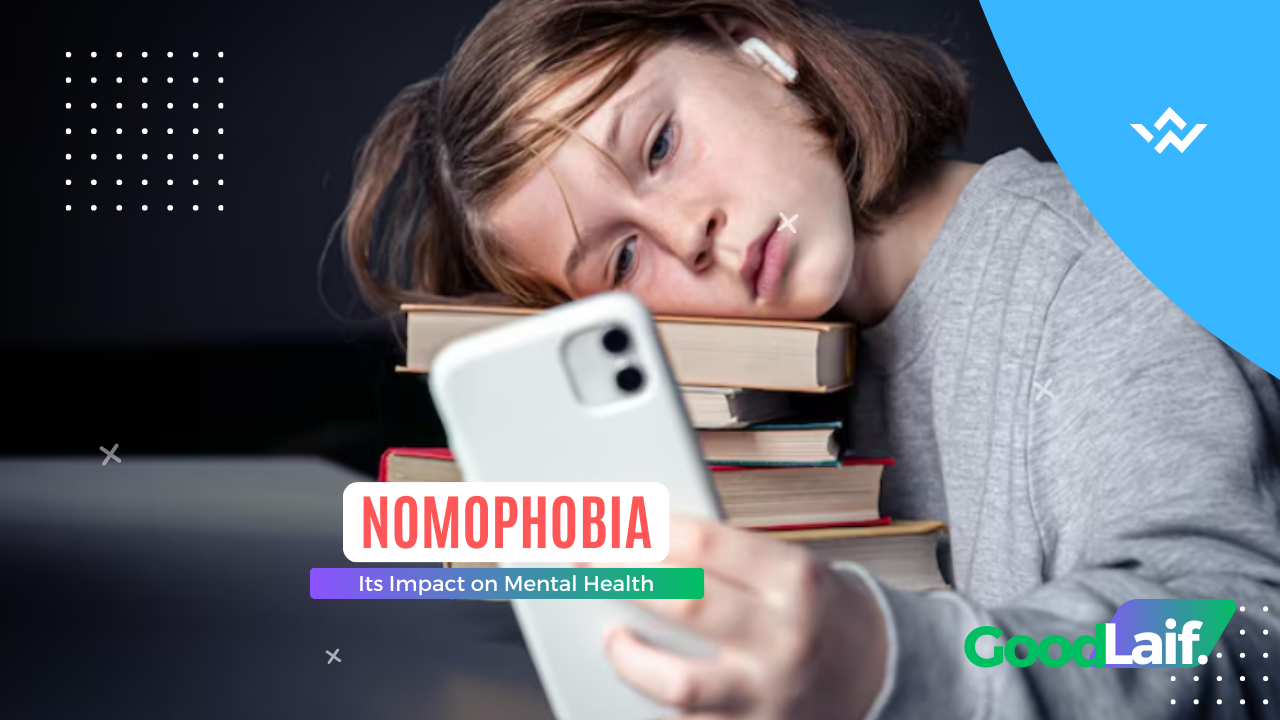
The development of communication technology has brought significant changes to modern human life. Smartphones have become an inseparable part of daily activities, ranging from communication, work, entertainment, to access to information. However, excessive dependence on these devices has led to a new phenomenon known as nomophobia, or no mobile phone phobia, which refers to the fear or anxiety experienced when individuals cannot access their mobile phones. This condition has gained increasing attention because of its potential impact on mental health.
Understanding Nomophobia
Nomophobia is a psychological condition characterized by feelings of restlessness, panic, or discomfort when individuals lose access to their smartphones. This may occur due to battery depletion, loss of signal, forgetting to bring the phone, or device malfunction. The term first emerged in research examining society’s growing dependence on digital communication devices.
Although it has not yet been officially classified as a mental disorder in certain diagnostic guidelines, nomophobia is recognized as a phenomenon closely associated with anxiety, stress, and other emotional disturbances.
Causes of Nomophobia
This phenomenon does not arise suddenly but is influenced by various factors related to the transformation of digital lifestyles.
First, the demand for instant communication encourages individuals to remain constantly available and responsive to messages or calls. This social pressure fosters dependence on smartphones as the primary communication tool.
Second, the rapid growth of social media usage strengthens the development of nomophobia. Individuals often feel compelled to continuously monitor notifications, comments, or other online activities. When access to smartphones is interrupted, individuals may experience fear of missing out (FOMO), or the anxiety of missing important information or social interactions.
Third, the expanding multifunctional role of smartphones as tools for work, entertainment, and financial transactions makes it difficult for individuals to separate themselves from their devices. This multifunctional reliance reinforces psychological attachment to smartphones.
The Impact of Nomophobia on Mental Health
Nomophobia can produce various negative effects on mental health if not properly managed. One of the primary consequences is increased anxiety. Individuals experiencing nomophobia often feel uneasy when they are unable to check their phones within a certain period. This anxiety can interfere with concentration and daily productivity.
Additionally, nomophobia may trigger chronic stress. The constant need to stay connected to the digital world can create continuous psychological pressure. Individuals may feel overwhelmed by the volume of notifications and communication demands requiring immediate responses.
Nomophobia is also associated with sleep disturbances. The habit of using smartphones before bedtime or checking notifications during the night can disrupt natural sleep patterns. Exposure to blue light emitted from phone screens may inhibit the production of melatonin, a hormone that regulates sleep cycles.
Another consequence is the decline in the quality of direct social relationships. Excessive reliance on digital communication may reduce face to face interactions, which play a vital role in maintaining emotional and social well-being.
The Influence of Nomophobia on Behavior and Lifestyle
Beyond psychological effects, nomophobia can also alter behavioral patterns. Many individuals find it difficult to focus on specific tasks due to the frequent habit of checking their phones repeatedly. This behavior can reduce work effectiveness and learning quality.
Nomophobia may also lead to emotional dependence on digital validation, such as receiving messages, likes, or comments on social media. When individuals fail to receive expected responses, it may result in feelings of insecurity or low self-esteem.
Strategies to Reduce the Effects of Nomophobia
Addressing nomophobia requires individual awareness and responsible technology management. One effective approach is setting time limits for smartphone usage. Allocating specific periods for digital breaks can help reduce dependence.
Individuals may also develop habits of avoiding smartphone use during certain activities, such as meals, exercise, or social interactions. These practices can improve the quality of interpersonal relationships.
Furthermore, increasing awareness of mental health by engaging in alternative activities that do not involve digital devices, such as reading, exercising, or participating in creative hobbies, can be beneficial.
If nomophobia has already caused significant psychological disturbances, consulting mental health professionals such as psychologists can be an appropriate step for further treatment.
The Role of the Environment in Reducing Nomophobia
Family, educational institutions, and workplaces play essential roles in reducing the impact of nomophobia. Education about healthy technology use should be introduced from an early age. Social support from surrounding environments can help individuals build more balanced digital habits.
Educational institutions and organizations can also implement policies that encourage balance between technology use and direct interpersonal interaction. Such measures can reduce pressure on individuals to remain constantly connected online.
Conclusion
Nomophobia is a modern phenomenon arising from society’s increasing dependence on smartphones. This condition can affect mental health by increasing anxiety, stress, sleep disturbances, and reducing the quality of social relationships. Although technology provides numerous benefits, uncontrolled usage may negatively affect psychological well-being.
Therefore, it is crucial for individuals and society to develop awareness regarding balanced technology use. Through responsible smartphone management and supportive environments, the negative effects of nomophobia on mental health can be minimized, allowing technology to continue providing optimal benefits for human life.
READ ALSO ARTICLE: Digital Burnout and Its Negative Impact on Physical and Mental Health











+ There are no comments
Add yours