

Have you ever checked your temperature and wondered why the number is different from usual? Normal human body temperature isn’t always exactly the same. It can go up or down depending on your activity, the time of day, or where you measure it.
So, don’t panic right away. In this article, we’ll talk about the normal temperature range, why it can change, how to measure it correctly, and when you should see a doctor.
What Is Normal Human Body Temperature? The Range Is 36.1°C–37.2°C
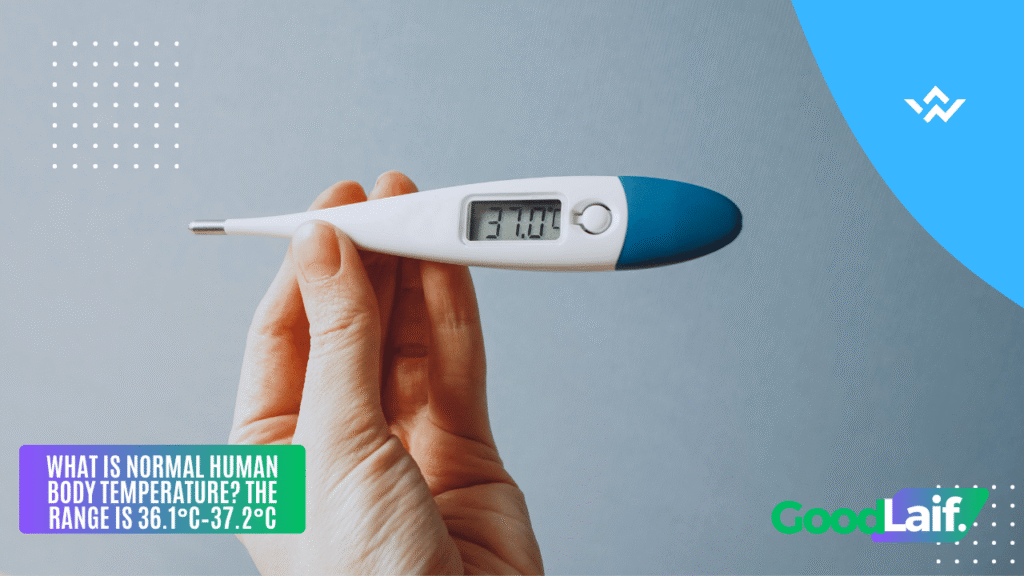
On average, our body temperature usually falls between 36.1°C and 37.2°C. However, the normal number can vary slightly from one person to another.
The time of day matters too. Your temperature is usually lower in the morning and may rise slightly in the afternoon or evening. After exercising, your body can also feel warmer because it produces more heat.
The measurement site can also affect the result. Taking your temperature from the mouth, armpit, ear, or forehead may give slightly different readings.
Factors That Can Make Normal Human Body Temperature Go Up or Down
What Causes Temperature to Rise?
Just finished exercising or doing physical activity? Your temperature may rise temporarily. Hot weather, wearing thick clothes, taking a hot shower, or staying in a stuffy room can also make your body warmer.
An infection can raise your temperature too. When your body fights an infection, you may develop a fever along with chills, headache, cough, or body aches.
If your temperature rises after exercising or getting too hot, rest somewhere cooler. Once your body has settled down, check your temperature again.
What Causes Temperature to Drop?
Your body temperature can also drop if you stay somewhere cold for too long or wear clothes that don’t keep you warm enough.
If it only drops slightly after being in a cold room, try warming yourself up and check your temperature again after a while.
When Is It Considered a Fever?
For adults, a temperature of 38°C or higher is generally considered a fever. But don’t look at the number alone.
Pay attention to how you feel too. Coughing, sore throat, chills, headache, and fatigue can also happen when you’re sick.
How to Measure Normal Human Body Temperature Correctly
To make your readings easier to compare, try to measure your temperature the same way each time.
- Let your body settle first. Don’t measure your temperature immediately after exercising, taking a hot shower, or drinking something hot or cold.
- Use the same measurement site. If you usually measure your temperature in the armpit, use the same method when checking again.
- Follow the thermometer instructions. Digital thermometers can have different instructions, so use them as directed.
- Clean it after use. Wipe the thermometer according to the instructions before putting it away.
When Should You Be Concerned and See a Doctor?
There’s no need to panic when your temperature changes slightly. However, some situations shouldn’t be ignored:
- Your temperature is above 38°C and doesn’t come down.
- Your body temperature is below 35°C.
- You experience severe shivering.
- You feel confused or have slurred speech.
- You feel extremely weak.
- You have a high fever and your condition keeps getting worse.
If you experience any of these signs, see a doctor promptly. Don’t just wait for your temperature to go down if you’re also feeling worse.
Read Also : Most Effective Fever Medicine for Adults: Doctor Options
So, Don’t Focus on Just One Number
Knowing your normal human body temperature is useful, but one thermometer reading doesn’t tell the whole story. The way you measure it, time of day, activity, and how you feel all matter too.
So, don’t panic if your temperature goes up or down a little. Get to know your usual temperature pattern and keep track of anything that feels unusual.
And if you don’t already have one, having a thermometer at home is really useful so you can check your temperature anytime you start feeling unwell.








+ There are no comments
Add yours