
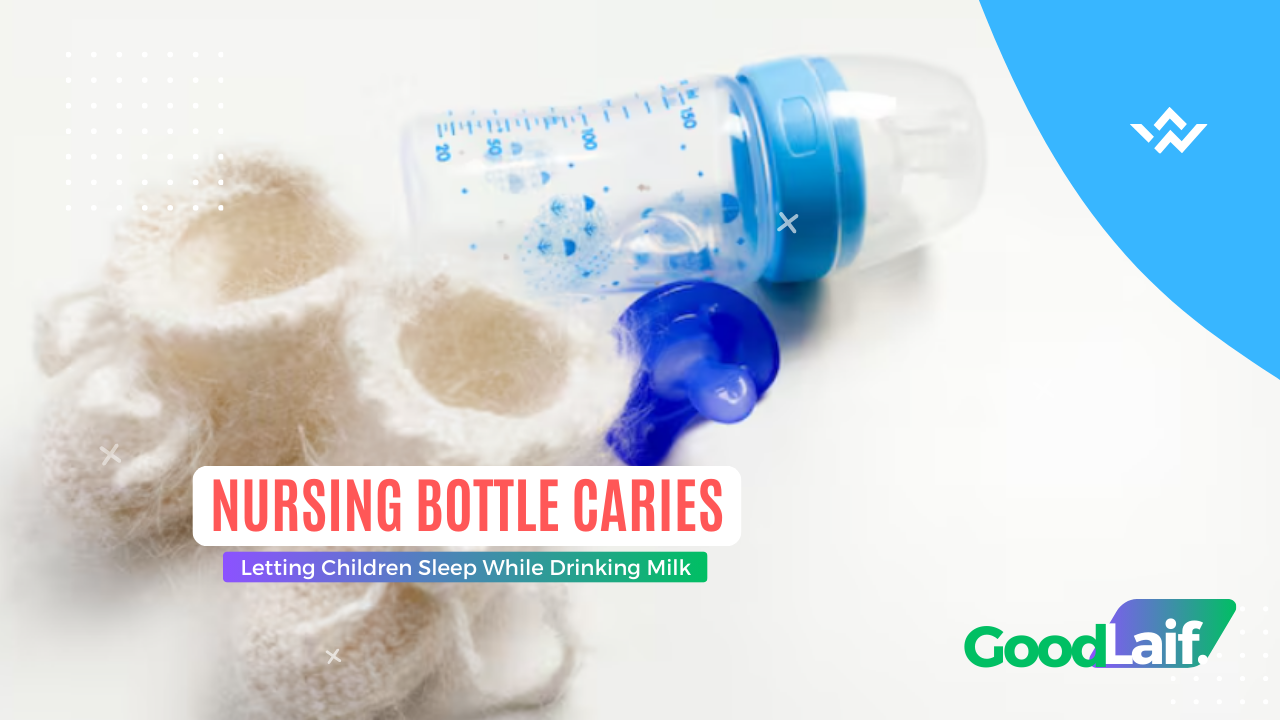
Oral health is a fundamental component of a child’s overall growth and development. One of the most common dental problems affecting infants and toddlers is nursing bottle caries, also known as early childhood caries (ECC). This condition is strongly associated with the habit of allowing children to fall asleep while drinking milk from a bottle. Although many parents consider this practice an effective way to soothe their child, it can have serious consequences for dental health. This article provides a formal discussion of nursing bottle caries, including its definition, causes, mechanism, short- and long-term impacts, and preventive measures.
Definition of Nursing Bottle Caries
Nursing bottle caries refers to tooth decay that occurs in infants and young children due to frequent and prolonged exposure to sugary liquids, particularly from a feeding bottle. The condition most commonly affects the upper front teeth but can spread to other teeth if left untreated. The decay typically begins as white spots on the tooth surface, which gradually turn brown, become fragile, and eventually form cavities.
Mechanism of Tooth Decay
Understanding how tooth decay develops helps explain why sleeping while drinking milk is harmful.
1. Sugar Content in Milk
Milk, including formula, contains lactose, a natural sugar. In some cases, parents may also add sugar, honey, or other sweet substances to the bottle.
2. Reduced Saliva Production During Sleep
Saliva plays a crucial role in neutralizing acids and washing away food debris. During sleep, saliva production decreases significantly, reducing its protective function.
3. Bacterial Activity in the Oral Cavity
Bacteria such as Streptococcus mutans metabolize sugars and produce acids as byproducts. These acids attack and weaken the enamel, the protective outer layer of the teeth.
4. Prolonged Acid Exposure
When a child falls asleep with a bottle in their mouth, milk pools around the teeth for an extended period. This prolonged exposure creates an acidic environment that accelerates enamel erosion and cavity formation.
Repeated exposure over time leads to progressive and severe tooth damage.
Risk Factors
Several factors increase the likelihood of nursing bottle caries:
- Allowing a child to sleep with a bottle containing milk or sweetened liquids
- Prolonged bottle use beyond one year of age
- Failure to clean the child’s teeth or gums after feeding
- Giving fruit juice or sweetened beverages in a bottle
- Lack of early dental check-ups
Children who frequently use bottles as comfort objects without proper supervision are at higher risk.
Short and Long-Term Consequences

Tooth decay in early childhood is not a minor issue. It can significantly affect a child’s health and quality of life.
1. Pain and Infection
Untreated cavities can cause severe pain, abscesses, and swelling, interfering with eating and sleeping.
2. Nutritional Problems
Pain while chewing may cause children to refuse food, leading to inadequate nutritional intake and potential growth disturbances.
3. Speech Development Issues
Front teeth play an important role in producing certain sounds. Early tooth loss can interfere with proper speech development.
4. Impact on Permanent Teeth Alignment
Primary teeth serve as space maintainers for permanent teeth. Premature loss due to decay may result in misalignment or crowding of permanent teeth.
5. Psychological Effects
Severely damaged teeth may affect a child’s appearance and self-confidence, particularly upon entering school age.
Prevention Strategies
Preventing nursing bottle caries requires consistent oral hygiene practices and behavioral changes.
1. Avoid Putting a Child to Bed with a Bottle
Children should not be allowed to fall asleep while drinking milk. If necessary, plain water may be offered instead.
2. Begin Oral Hygiene Early
Clean a baby’s gums with a soft cloth after feeding. Once the first tooth erupts, use a small, soft-bristled toothbrush with an age-appropriate amount of fluoride toothpaste as recommended by a dental professional.
3. Limit Sugary Drinks
Avoid giving juice, sweetened tea, or other sugary beverages in a bottle.
4. Transition from Bottle to Cup
Children should gradually be trained to drink from a cup between 12 and 18 months of age.
5. Schedule Early Dental Visits
The first dental visit is recommended when the first tooth appears or no later than the child’s first birthday.
The Role of Parents and Healthcare Providers
Parents play a central role in establishing healthy habits early in life. Education about oral hygiene should begin during infancy, and consistent preventive practices are essential for long-term dental health. Healthcare providers, including dentists and nurses, also contribute significantly by offering guidance, early screening, and parental education regarding the risks of nursing bottle caries and proper preventive measures.
Conclusion
Nursing bottle caries is a serious dental condition affecting infants and young children, primarily caused by the habit of sleeping while drinking milk. The combination of sugar exposure and reduced saliva production during sleep creates an ideal environment for acid-producing bacteria to damage tooth enamel.
Early childhood tooth decay can have wide ranging consequences, including pain, nutritional deficiencies, speech problems, and future dental complications. Therefore, prevention through healthy feeding practices, early oral hygiene, and regular dental check-ups is essential. Active parental awareness and involvement are key to protecting children’s oral health from an early age and ensuring healthy dental development in the future.
READ ALSO ARTICLE: Tooth Pain After Filling? Here Are The Common Causes









+ There are no comments
Add yours