
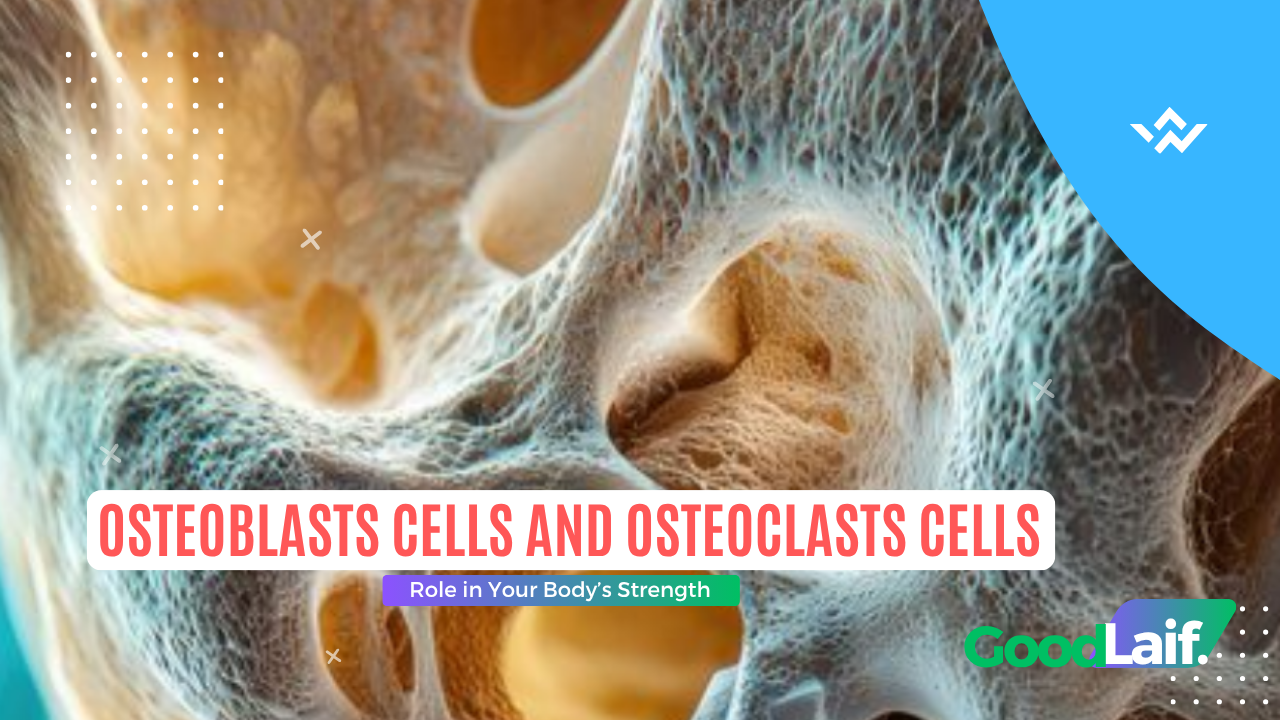
Bones are not lifeless structures as they are often thought to be. They are living tissues that continuously undergo renewal throughout a person’s life. This process is known as bone remodeling, a cycle of bone formation and breakdown that occurs in balance. Two main types of cells involved in this process are osteoblasts cells and osteoclasts. The balance between them greatly determines bone strength, density, and overall health.
What Are Osteoblasts?
Osteoblasts cells are bone-forming. These cells are responsible for producing new bone matrix and supporting the mineralization process, which involves the deposition of calcium and phosphate to make bones hard and strong.
Osteoblasts originate from mesenchymal stem cells in the bone marrow. When active, they produce type I collagen and other proteins that form the structural foundation of bone. After completing their function, some osteoblasts transform into osteocytes (mature bone cells) that help maintain bone structure.
Main functions of osteoblasts:
- Form new bone tissue
- Regulate bone mineralization
- Help repair damaged or fractured bones
What Are Osteoclasts?
In contrast, osteoclasts are cells responsible for breaking down or resorbing old bone tissue. This process is known as bone resorption.
Osteoclasts originate from the lineage of white blood cells (monocytes/macrophages). They work by releasing enzymes and acids that dissolve bone minerals and break down the bone matrix.
Main functions of osteoclasts:
- Break down old or damaged bone tissue
- Help maintain calcium balance in the blood
- Reshape bone structure so it can adapt to physical stress
The Balance Between Osteoblasts and Osteoclasts
Bone health depends heavily on the balance between osteoblast and osteoclast activity. Under normal conditions:
- Osteoblasts build bone
- Osteoclasts break down old bone
- Both processes occur in balance
If this balance is disrupted, various health problems can arise.
When osteoclasts are more active:
Bone resorption occurs faster than bone formation, causing bones to become fragile and increasing the risk of osteoporosis.
When osteoblasts are more active:
Excessive bone formation can lead to abnormal bone thickening, although this condition is relatively rare.
Role in Bone Healing
When a bone fracture occurs, osteoclasts and osteoblasts work in coordination:
- Osteoclasts remove damaged bone tissue
- Osteoblasts begin forming new bone
- The bone undergoes mineralization and regains strength
This process can take several weeks to months, depending on age, nutrition, and overall health.
Factors Affecting Osteoblast and Osteoclast Activity
Several factors influence the balance of these two types of cells:
1. Hormones
- Estrogen helps suppress osteoclast activity
- A decrease in estrogen (such as during menopause) increases the risk of osteoporosis
2. Nutrition
- Calcium and vitamin D are essential for osteoblast activity
- Nutrient deficiencies can slow down bone formation
3. Physical Activity
- Weight-bearing exercise stimulates osteoblasts to form new bone
- A sedentary lifestyle accelerates bone loss
4. Age
- Osteoblast activity declines with age
- Osteoclast activity tends to become more dominant in older adults
Relationship with Bone Diseases
An imbalance between osteoblasts and osteoclasts can lead to several conditions:
Osteoporosis
Occurs when osteoclast activity exceeds osteoblast activity, leading to a significant decrease in bone density.
Osteopetrosis
A rare condition in which osteoclasts do not function properly, causing bones to become overly dense but brittle.
Paget’s Disease
Occurs due to excessive osteoclast activity followed by abnormal bone formation by osteoblasts.
How to Maintain Healthy Bone Cell Balance
Maintaining bone health means preserving the balance between osteoblast and osteoclast activity. Some steps you can take include:
- Consuming calcium-rich foods such as milk, fish, and green vegetables
- Ensuring adequate vitamin D intake from sunlight or diet
- Exercising regularly, especially weight-bearing exercises
- Avoiding smoking and excessive alcohol consumption
- Getting regular bone density screenings, especially as you age
Conclusion
Osteoblasts cells and osteoclasts are two essential components that keep bones strong and healthy. Osteoblasts build bone, while osteoclasts break it down. The balance between these two processes is the key to maintaining bone density and strength throughout life. Understanding their roles helps raise awareness of the importance of proper nutrition, a healthy lifestyle, and early prevention to avoid bone-related diseases in the future.
READ ALSO ARTICLE: Collagen for Bones and Joints: Benefits for Body Health









+ There are no comments
Add yours