


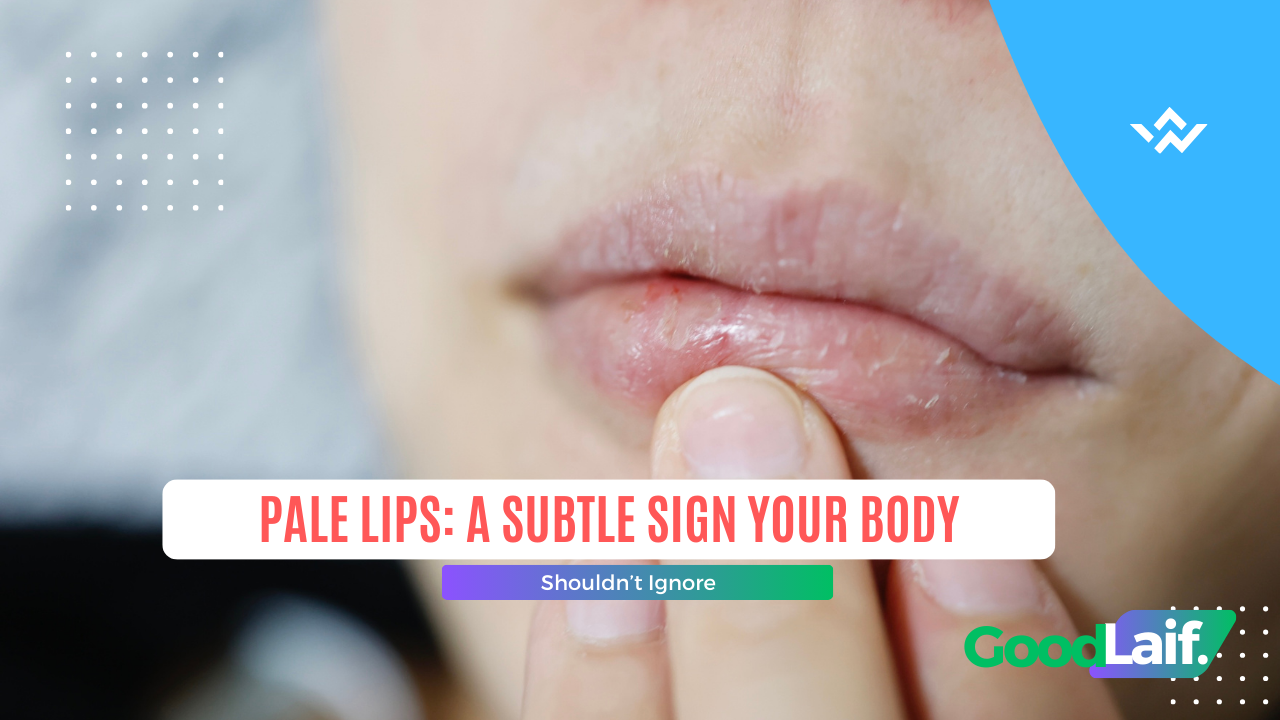
Have you ever looked in the mirror and noticed that your lips appear paler than usual? At first glance, it may seem like a minor change, often blamed on fatigue or lack of sleep. However, the color of your lips can actually reveal important signals about your body’s condition. This curiosity is what makes pale lips worth paying closer attention to.
Healthy lips usually have a natural pink or reddish tone. When that color fades, it may indicate that something inside the body is out of balance. From mild causes to certain health conditions, pale lips can be an early sign that should not be overlooked.
What Are Pale Lips?
Pale lips refer to a condition where the natural color of the lips becomes lighter, whitish, or loses its usual rosy tone. This often happens due to reduced blood flow or lower oxygen levels reaching the lip tissues. While it is not always dangerous, persistent pale lips may point to underlying health issues.
In some cases, pale lips appear temporarily, such as during cold weather or extreme tiredness. However, if the condition continues for a long time, further attention may be needed.
Common Causes of Pale Lips

Several factors can cause lips to lose their natural color, including:
1. Anemia
Anemia is one of the most common causes of pale lips. When the body lacks red blood cells or hemoglobin, oxygen delivery becomes less efficient, making the lips appear lighter.
2. Dehydration
Insufficient fluid intake can cause the skin and lips to look dry and dull. Even mild dehydration may affect the natural color of the lips.
3. Fatigue and Lack of Sleep
Overworking the body without proper rest can disrupt blood circulation. As a result, the lips may look less vibrant.
4. Cold Temperatures
Exposure to cold weather can temporarily narrow blood vessels, reducing blood flow to the lips and causing them to appear pale.
5. Nutrient Deficiency
A lack of iron, vitamin B12, or folic acid can interfere with red blood cell production, which directly affects lip color.
When Should Pale Lips Be a Concern?
Pale lips should be taken seriously if they occur along with other symptoms such as dizziness, weakness, shortness of breath, heart palpitations, or unusually pale skin. These signs may indicate a health condition that requires medical evaluation.
If lip color does not improve despite adequate rest and nutrition, consulting a healthcare professional is strongly recommended.
How to Improve Pale Lips
The treatment for pale lips depends on the underlying cause. Some simple steps that may help include:
- Drinking enough water daily
- Increasing intake of iron-rich foods such as leafy greens, red meat, and various legumes to support healthy blood production
- Ensuring sufficient intake of B-complex vitamins
- Getting enough rest and managing stress
- Avoiding smoking and excessive caffeine
Using lip balm can help maintain moisture, although it does not address internal causes.
Maintaining Healthy Lip Color
Healthy lips often reflect overall body wellness. Maintaining a balanced diet, engaging in light physical activity, and getting adequate sleep are key factors in supporting proper blood circulation.
Regularly observing changes in lip color can also help detect early health issues before they become more serious.
Read Also : Lower Lip Wrinkles: Why Do They Actually Happen?
Conclusion
Pale lips are not merely a cosmetic concern. Behind their faded appearance, they may signal that the body needs attention. By understanding the causes and taking proper preventive steps, you can protect both your health and your natural lip color. Sometimes, small changes in appearance carry important messages worth listening to.