


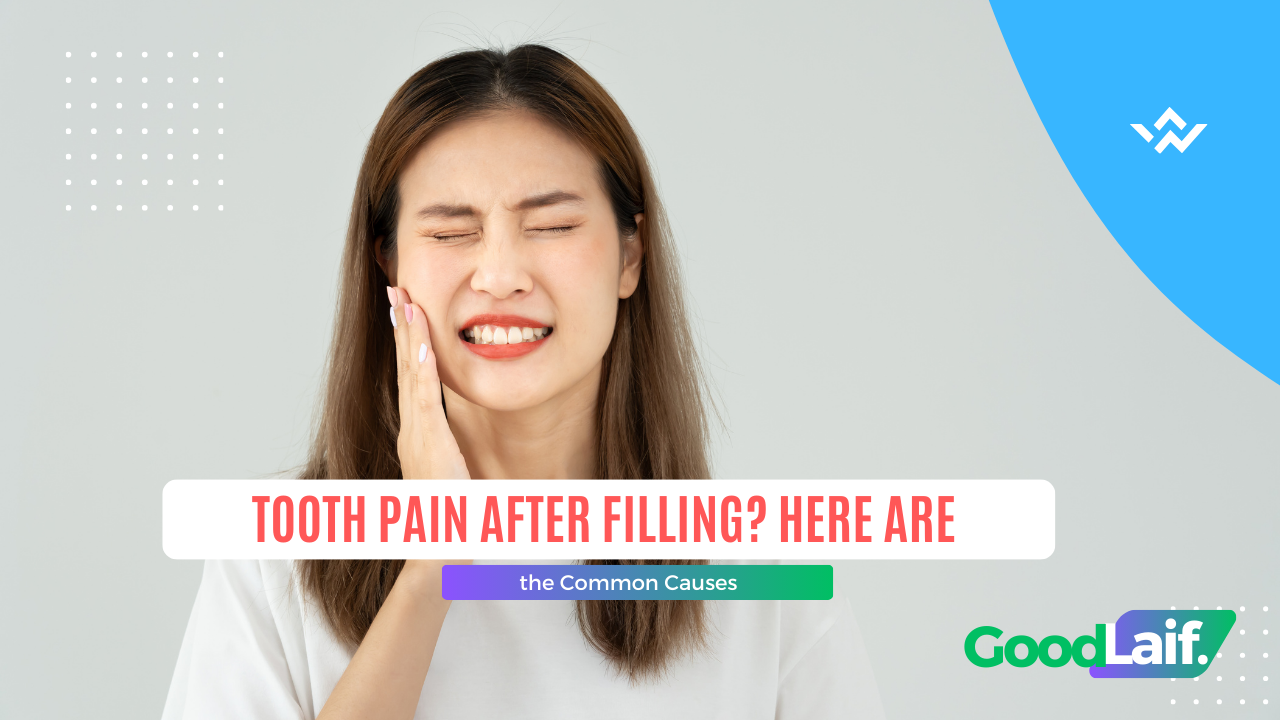
Have you ever felt relieved after getting a dental filling, only to experience pain a few hours or days later? A sharp sensation when drinking something cold, discomfort while chewing, or even a throbbing pain without any clear reason can make anyone worried. After all, a filling is supposed to eliminate pain, not cause it. However, tooth pain after filling is a fairly common condition and does not always indicate a serious problem.
So, what actually causes this discomfort to return after dental treatment?
Why Does Tooth Pain After Filling Occur?
After a filling procedure, your tooth goes through an adjustment period. The inner tissues of the tooth, especially the nerves, may become more sensitive due to previous decay or inflammation. As a result, mild to moderate pain can appear as a natural reaction.
In addition, there are several other causes that are often overlooked.
1. Sensitive Tooth Nerves
When a cavity is treated, the dentist must remove the damaged part of the tooth. This process can temporarily irritate the nerve. Therefore, sensitivity to hot, cold, or sweet foods may still be felt for several days after the filling.
2. Filling That Is Too High
One of the most common causes of tooth pain after filling is a filling that sits slightly higher than the surrounding teeth. When you bite down, excessive pressure is placed on that tooth, causing pain while chewing.
3. Deep Cavity Near the Nerve
If the cavity was very deep and close to the nerve, the filling may trigger inflammation of the dental pulp. This condition often causes throbbing pain that can occur without stimulation, especially at night.
4. Small Cracks in the Tooth
In some cases, a weakened tooth may develop tiny cracks after being filled. These cracks are difficult to see with the naked eye but can cause sharp pain when biting hard or sticky foods.
Is This Condition Normal?
In general, tooth pain after filling is considered normal if it lasts between two to seven days and remains mild. However, if the pain worsens, does not improve, or is accompanied by swelling, it should not be ignored.
Persistent pain may indicate a deeper nerve infection that requires additional treatment, such as root canal therapy.
How to Reduce Pain After a Dental Filling

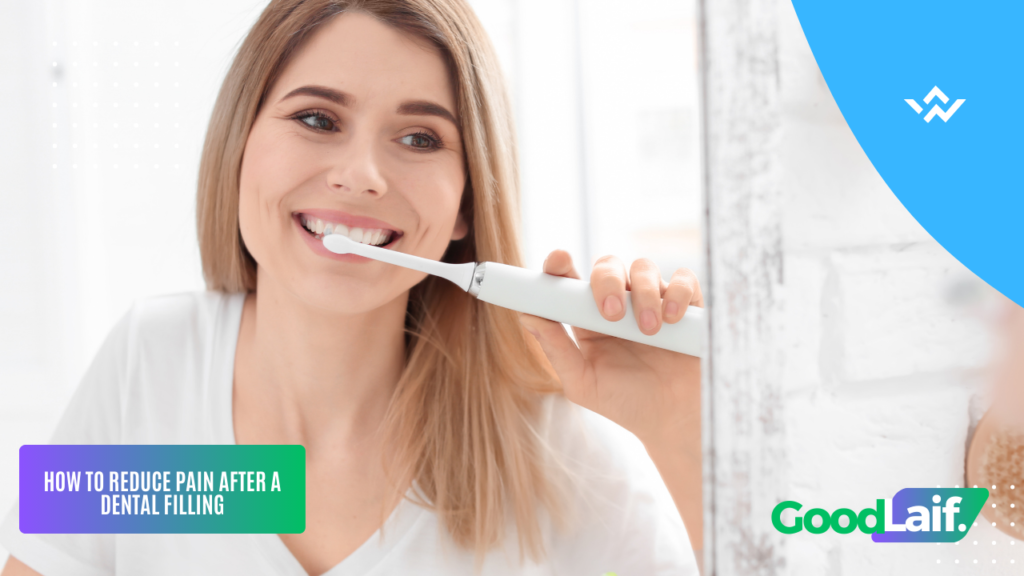
To help relieve discomfort, you can try the following simple steps:
- Avoid very hot, cold, or sweet foods for a few days
- Chew on the opposite side of the filled tooth
- Take pain relievers as recommended
- Maintain oral hygiene by brushing gently
- Avoid hard foods such as ice or hard candy
These measures can help speed up recovery and reduce sensitivity.
When Should You Return to the Dentist?
You should visit your dentist again if:
- The pain lasts longer than one week
- The pain becomes sharper when biting
- Swelling appears in the gums or face
- The tooth continues to throb constantly
Early treatment can prevent more serious dental complications.
Read Also : Tooth Cavity Pain: Causes and How to Treat It
Conclusion
Experiencing tooth pain after filling can be concerning, but it is not always dangerous. Many cases occur due to temporary nerve sensitivity or minor bite pressure issues. Nevertheless, persistent or severe pain should always be checked by a dentist to prevent further problems.
By understanding the causes and knowing how to respond, you can stay calm and take the right action. Remember, good dental care is not only about fixing cavities, but also about maintaining long-term comfort and oral health.