

Emotional wounds can leave a much deeper impact than physical injuries. Many people may appear fine on the outside while still carrying pain from difficult experiences in the past. Painful events that are not processed properly can affect mental health, social relationships, and overall quality of life. Past trauma often develops from experiences such as verbal abuse, toxic relationships, losing a loved one, bullying, or harsh parenting. If left unresolved for a long time, these experiences can make it difficult for someone to feel calm and emotionally safe in everyday life. Understanding emotional wounds and learning how to heal from them is an important step toward living a healthier and more balanced life mentally and emotionally.
What Is Emotional Trauma?
Emotional trauma is a condition in which a person experiences psychological distress caused by painful or shocking events. These experiences can leave deep emotional scars and influence the way a person thinks, feels, and behaves.
Not everyone responds to painful experiences in the same way. Some people recover more quickly, while others need more time to process their emotions. In many cases, unresolved emotional wounds can trigger:
- Excessive anxiety
- Overthinking
- Difficulty trusting others
- Low self-esteem
- Fear of abandonment
- Unstable emotions
Common Causes of Emotional Wounds

1. Difficult Childhood Experiences
The family environment plays a major role in emotional development. Children who grow up in stressful environments, receive little affection, or are constantly criticized often carry emotional wounds into adulthood.
Some common effects include:
- Lack of self-confidence
- Constant need for validation
- Fear of making mistakes
- Difficulty expressing emotions
Past trauma that comes from childhood is often unnoticed because it becomes normalized as part of daily life.
2. Verbal Abuse
Harsh words and constant humiliation can seriously affect a person’s psychological well-being. Repeated negative comments may cause someone to believe that they are truly worthless.
As a result, victims of verbal abuse often:
- Feel like failures easily
- Struggle with confidence
- Fear expressing opinions
- Have difficulty accepting themselves
3. Toxic Relationships
Relationships filled with manipulation, dishonesty, or emotional abuse can leave deep emotional scars. People who have experienced toxic relationships often struggle to trust others again.
Some emotional effects of unhealthy relationships include:
- Fear of opening up emotionally
- Constant suspicion toward partners
- Anxiety in relationships
- Fear of being abandoned
4. Bullying
Bullying can leave long-term emotional effects, especially when it occurs during childhood or adolescence. Victims of bullying often struggle to build self-confidence.
Its effects may include:
- Social withdrawal
- Fear of judgment from others
- Excessive shame
- Difficulty accepting oneself
5. Losing a Loved One
Loss can be an extremely painful emotional experience. Some people are able to cope with grief over time, while others experience prolonged sadness that interferes with daily life.
Signs Emotional Wounds Have Not Healed
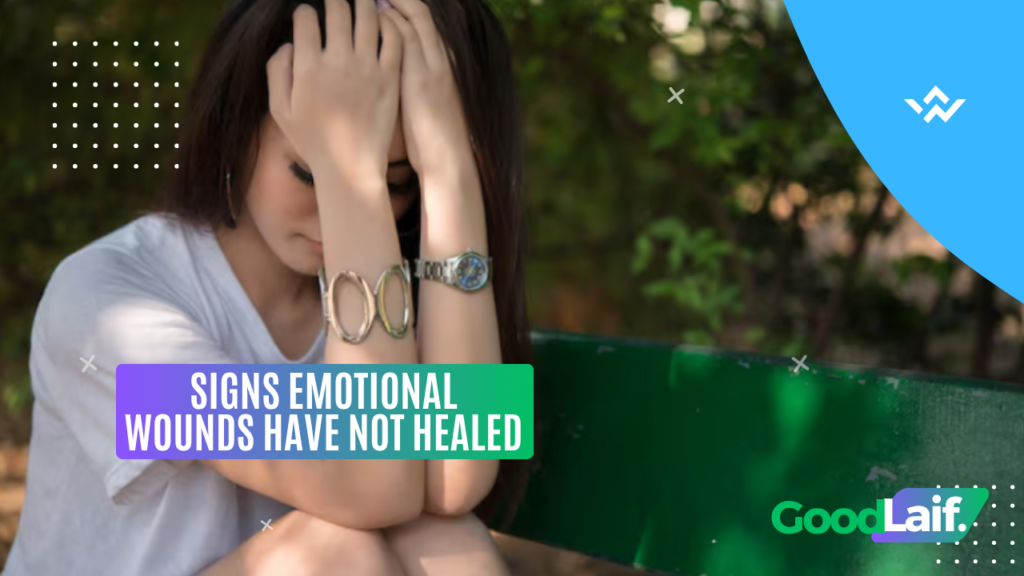
Many people do not realize that they are still affected by painful experiences from the past. Here are some common signs:
Difficulty Controlling Emotions
Emotions become more sensitive and unstable, such as becoming easily angry, sad, or anxious without a clear reason.
Excessive Overthinking
Past painful experiences may cause someone to constantly expect the worst in different situations.
Difficulty Trusting Others
Fear of being hurt again can make someone emotionally distant from others.
Frequently Blaming Oneself
Emotional wounds often make a person feel inadequate or believe they are always the cause of problems.
Avoiding Certain Situations
Some people avoid places, people, or situations that remind them of painful memories.
The Impact of Unhealed Trauma
Past trauma that remains buried can affect both mental and physical health. Over time, it may increase the risk of:
- Anxiety disorders
- Depression
- Sleep disturbances
- Panic attacks
- Difficulty building healthy relationships
In addition, prolonged emotional stress can negatively affect productivity and overall quality of life.
How to Heal Emotional Wounds
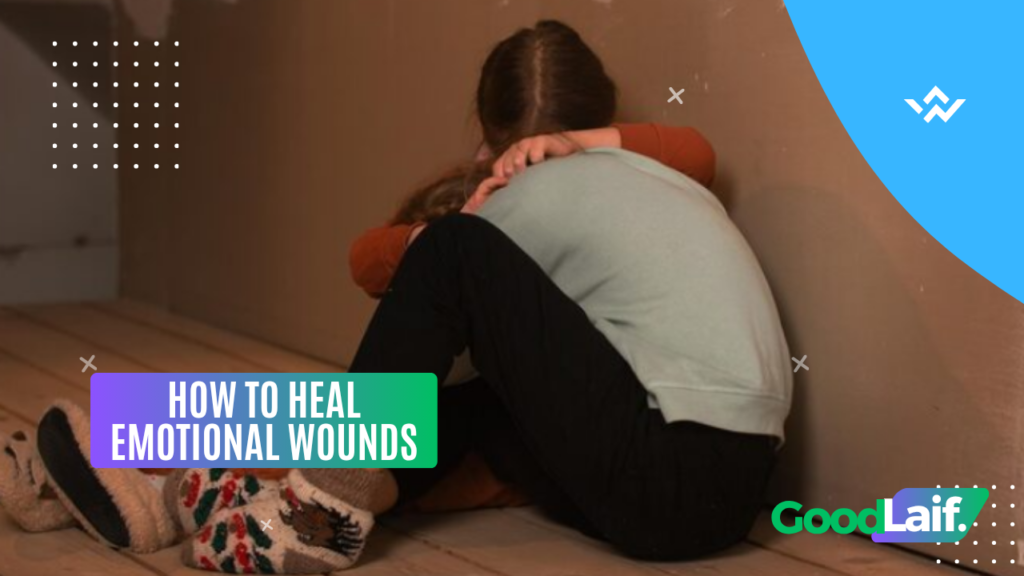
1. Acknowledge Your Feelings
The first step toward healing is accepting that emotional wounds do exist. Ignoring emotional pain will only cause feelings to build up over time.
2. Learn to Express Emotions
Keeping emotions bottled up can worsen mental health conditions. Writing in a journal, talking to trusted people, or attending therapy can support the healing process.
3. Stop Blaming Yourself
Not every painful experience is your fault. Learning to forgive yourself is an important part of emotional recovery.
4. Build a Positive Environment
A healthy and supportive environment can help someone feel emotionally safe and valued.
5. Seek Professional Help
If emotional struggles begin interfering with daily life, consulting a psychologist or mental health professional can help provide the right guidance and support.
Healing Takes Time
Everyone heals differently. There is no exact timeline for recovering from emotional wounds. What matters most is continuing to understand yourself and allowing the healing process to happen gradually.
Past trauma is not something that should be hidden or ignored. With the right support and a willingness to heal, people can learn to live more peacefully and emotionally healthy lives.
Conclusion
Emotional wounds can affect many aspects of life, from mental health to social relationships. Painful experiences such as verbal abuse, bullying, toxic relationships, or loss can leave long-term effects if they are not properly addressed. Recognizing the signs of emotional trauma and seeking help are important steps toward healing. With the right process and support, people can learn to accept their past and build a healthier emotional future.
READ ALSO THIS ARTICLE: Overprotective Parenting: Love or a Barrier to a Child’s Development?











+ There are no comments
Add yours