

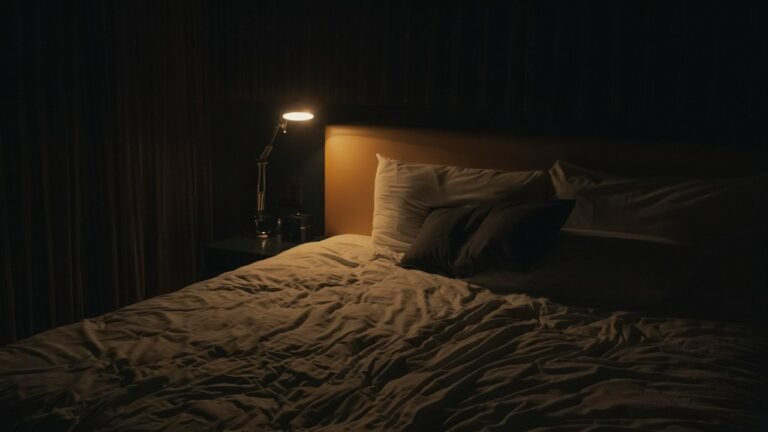
After a long day of work, studying, or handling daily responsibilities, many people feel they have little to no time left for themselves. As a result, nighttime becomes the only opportunity to relax, watch videos, browse social media, read a book, or enjoy personal hobbies. While this may seem harmless, it could be a sign of revenge bedtime procrastination, a growing phenomenon in modern society. This habit not only causes people to stay up late but can also affect sleep quality and overall well-being.
What Is Revenge Bedtime Procrastination?
Revenge bedtime procrastination refers to the act of intentionally delaying sleep to reclaim personal time after spending the day fulfilling work, academic, or family obligations.
People who experience this phenomenon are often aware that they should go to bed earlier. However, the desire to enjoy uninterrupted personal time outweighs the need for sleep, leading them to stay awake much later than intended.
Why Is It Becoming More Common?
Modern lifestyles are one of the main reasons behind this behavior. Busy schedules can make people feel that most of their time is controlled by responsibilities rather than personal choices.
Common causes include:
- Long working hours.
- Heavy academic workloads.
- Household responsibilities.
- Lack of time for hobbies and self-care.
- Excessive social media use at night.
When the day finally ends, many individuals seek a sense of freedom and control over their time. Unfortunately, this often comes at the expense of sleep.
Signs You May Be Experiencing It
Not everyone who stays up late is experiencing the same issue. However, the following signs may indicate that you are dealing with this habit:
- Frequently going to bed later than planned.
- Spending hours scrolling through social media before sleeping.
- Feeling that nighttime is the only time available for personal enjoyment.
- Struggling to stop entertainment activities even when feeling tired.
- Regretting your late bedtime the following morning.
If these behaviors occur regularly, you may be experiencing revenge bedtime procrastination without realizing it.
The Impact on Health and Productivity
Occasionally staying up late may not seem harmful. However, when it becomes a routine, the consequences can affect various aspects of life.
Insufficient sleep can lead to:
- Reduced concentration and focus.
- Lower productivity at work or school.
- Mood changes and increased irritability.
- Weakened immune function.
- A greater risk of long-term health problems associated with poor sleep habits.
Ironically, the extra time spent relaxing at night can leave you feeling more exhausted and less productive the next day.
The Connection Between Social Media and Late-Night Habits
Social media is often the primary activity people turn to when seeking personal time. Short videos, entertaining content, and endless streams of information can keep users engaged for much longer than intended.
Many people plan to spend only a few minutes online but end up scrolling for hours. This behavior reinforces the cycle of revenge bedtime procrastination because the immediate gratification of entertainment feels more rewarding than the long-term benefits of adequate sleep.
How to Overcome the Habit Without Sacrificing Me Time

Overcoming this habit does not mean giving up personal time. Instead, it involves creating a healthier balance between relaxation and rest.
1. Schedule Personal Time Earlier in the Day
Try to set aside time during the afternoon or evening for activities you enjoy. This can reduce the urge to reclaim personal time late at night.
2. Set Limits on Screen Time
Use app timers or screen time management tools to prevent excessive social media use before bed.
3. Create a Bedtime Routine
Activities such as reading, stretching, journaling, or listening to calming music can help signal to your body that it is time to sleep.
4. Prioritize Sleep as Self-Care
Sleep is not a luxury. It is a fundamental part of maintaining physical health, emotional well-being, and daily performance.
Conclusion
Revenge bedtime procrastination is becoming increasingly common in today’s fast-paced world. The desire to enjoy personal time after a busy day often leads people to delay sleep, even when they know they need rest. While the habit may provide temporary satisfaction, it can negatively affect health, energy levels, and productivity over time. By creating a better balance between personal time and sleep, individuals can enjoy their favorite activities without sacrificing the restorative rest their bodies need.
READ ALSO ARTICLE: Microsleep, A Brief Sleep Condition That Often Goes Unnoticed









+ There are no comments
Add yours