
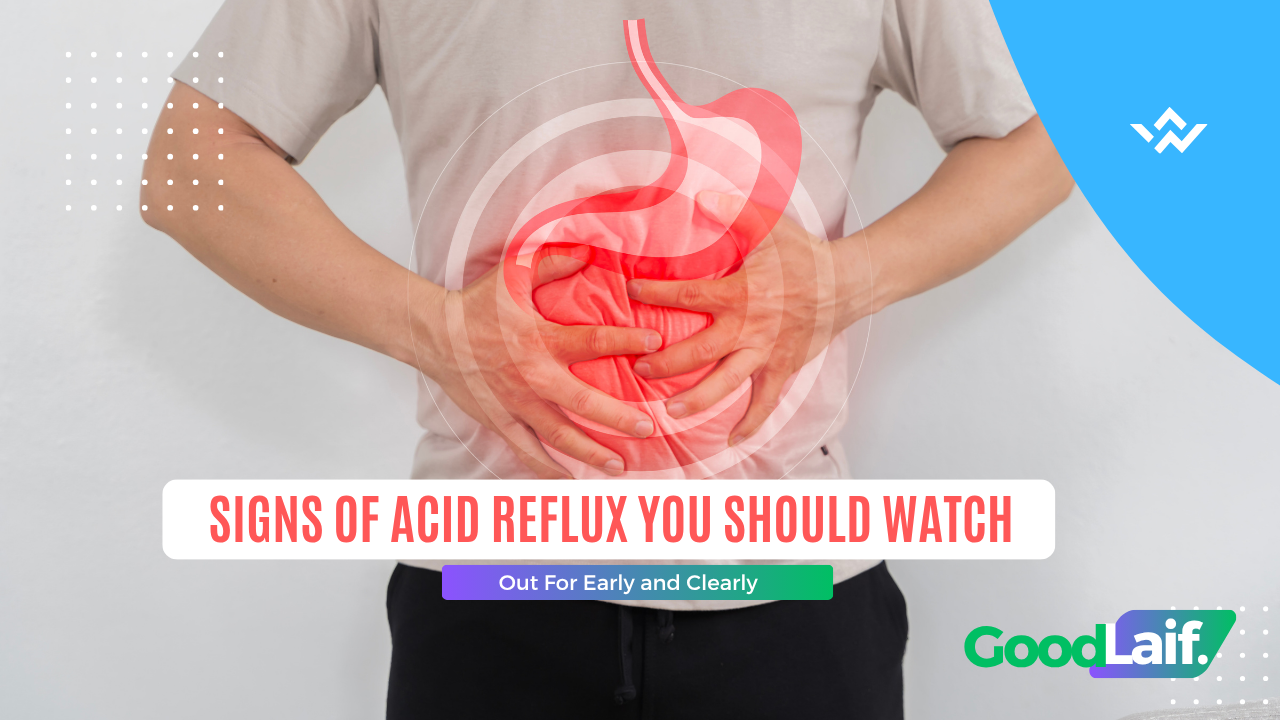
Ever gone to bed feeling fine, then suddenly wake up with a burning sensation in your chest like it’s on fire? Or after eating spicy food, coffee, or something creamy, your throat feels sour and your stomach gets uncomfortable? These can be signs of acid reflux that many people experience without realizing it.
Acid reflux doesn’t just cause discomfort—it can also disturb sleep, reduce focus, and affect your daily activities if it happens too often.
This article is for educational purposes only and is not a substitute for medical diagnosis or treatment from a doctor.
The Real Cause: Why Acid Reflux Happens So Easily
Acid reflux happens when the valve between the stomach and the esophagus doesn’t close properly. When this valve weakens, stomach acid can flow back up into the esophagus and trigger uncomfortable symptoms.
This condition is often triggered by irregular eating habits, overeating, spicy or fatty foods, coffee, stress, and lying down right after eating. Eating late at night can also increase the risk because the body is in a lying position, making it easier for acid to flow upward.
6 Common Signs of Acid Reflux
1. Burning Chest Sensation (Heartburn)
This is the most common symptom. It feels like a burning sensation rising from the stomach to the chest and sometimes the throat. Many people experience it after eating or when lying down.
2. Sour or Bitter Taste in the Throat
When stomach acid rises, it can reach the throat and even the mouth, leaving a sour or bitter taste, especially after heavy meals.
3. Frequent Burping
Occasional burping is normal, but if it happens too often along with discomfort, it may be a sign of acid reflux.
4. Nausea
Acid reflux can trigger nausea, especially after eating trigger foods like spicy dishes, fried foods, or coffee.
5. Bloating and Full Stomach Feeling
Many people feel bloated or overly full even after eating small portions, making daily activities uncomfortable.
6. Cough or Throat Irritation
Acid reflux doesn’t always affect the stomach only. It can also cause a persistent cough, hoarseness, or a feeling of something stuck in the throat.
Other Possible Symptoms
Some people may also experience:
- Difficulty swallowing
- Bad breath
- Hoarse voice in the morning
- Sleep disturbances
- Dizziness or fatigue
Not everyone experiences signs of acid reflux in the same way. Some may only feel chest burning, while others may have more throat-related symptoms. The severity depends on diet, stress levels, and overall health. That’s why it’s important to recognize patterns and identify triggers.
5 Simple Ways to Reduce Acid Reflux Without Medication

1. Eat Smaller Meals More Often
Avoid large meals that put extra pressure on your stomach.
2. Avoid Trigger Foods
Reduce spicy food, coffee, fried food, chocolate, soda, and creamy dishes.
3. Don’t Lie Down Right After Eating
Wait at least 2–3 hours before lying down or sleeping after meals.
4. Manage Stress
Stress can make acid reflux worse, so try to relax, rest, or do light activities.
5. Maintain a Healthy Weight
Excess body weight can increase pressure on the stomach and make reflux more frequent.
When to See a Doctor
Seek medical attention if you experience:
- Severe chest pain
- Difficulty swallowing
- Frequent vomiting
- Unexplained weight loss
- Symptoms lasting more than a few weeks
If chest pain spreads to the back, jaw, or arms, don’t ignore it, as it may not be caused by acid reflux alone.
Read Also : Acid Reflux “Up to the Head” Symptoms: Can It Really Happen?
Conclusion
The most common signs of acid reflux include heartburn, sour throat taste, frequent burping, nausea, bloating, and throat irritation. Recognizing these symptoms early can help you manage the condition before it becomes more severe.
If acid reflux happens frequently or starts to interfere with your sleep and daily life, don’t rely only on online information. Consult a doctor for proper diagnosis and treatment tailored to your condition.








+ There are no comments
Add yours