
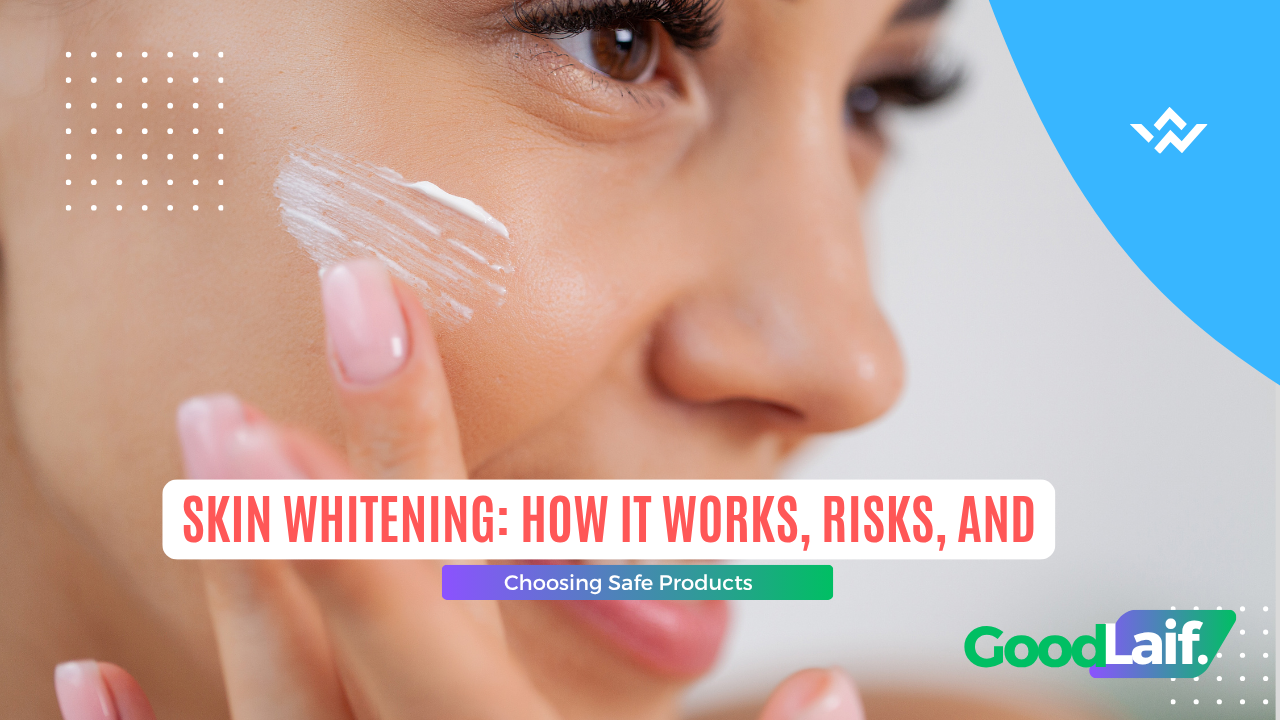
Have you ever considered using a skin whitening product to achieve a brighter, more even-looking complexion? Many products promise fast results, but not all of them are safe. In fact, the term “skin whitening” is often better understood as “skin brightening,” since most products are designed to reduce the appearance of dark spots and uneven skin tone rather than change your natural skin color. Understanding how these products work, their ingredients, and their potential risks can help you make a safer choice.
Disclaimer: This article is for educational purposes only and should not replace professional medical advice. If you experience irritation, an allergic reaction, or other skin problems after using a skin whitening product, stop using it and consult a healthcare professional.
What Is Skin Whitening?
Skin whitening refers to skincare products that help brighten the skin and reduce hyperpigmentation by decreasing the production of melanin, the natural pigment responsible for skin color. Results are usually gradual, so consistent use and daily sun protection are essential for the best outcome.
How Skin Whitening Products Work
Skin whitening products generally work through the following mechanisms.
1. Reducing Melanin Production
Many active ingredients help slow down melanin production, making the skin appear brighter over time. According to the Indonesian Society of Dermatology and Venereology (PERDOSKI), several skin-brightening ingredients work by inhibiting the enzyme tyrosinase, which plays a key role in melanin formation.
2. Supporting Skin Renewal
Some ingredients promote skin cell turnover, helping fade dark spots, acne scars, and uneven skin tone while improving overall skin texture.
Common Ingredients in Skin Whitening Products
Before purchasing a product, check its active ingredients. Some of the most commonly used include:
- Niacinamide (typically 2–5% for beginners).
- Vitamin C (commonly 10–20%, depending on skin type).
- Alpha Arbutin.
- Tranexamic Acid.
- Kojic Acid.
According to Indonesia’s National Agency of Drug and Food Control (BPOM), consumers should choose cosmetic products that have been officially registered to help ensure their safety and quality.
Risks of Using Unsafe Skin Whitening Products
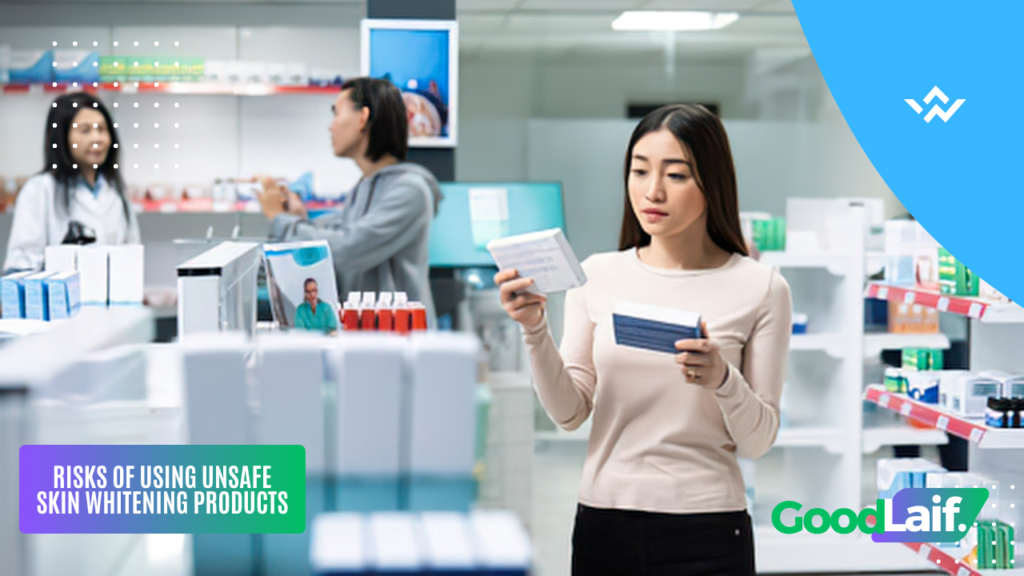
Not all skin whitening products on the market are safe. Products without proper registration or with unknown ingredients may increase the risk of skin problems.
Possible risks include:
- Skin irritation and redness.
- Allergic reactions.
- Increased sensitivity to sunlight.
- Skin thinning from the improper use of certain ingredients.
- Skin damage caused by harmful substances.
BPOM also advises consumers to avoid products that promise instant whitening results, as they may contain unsafe ingredients.
⚠️ Harmful Ingredients to Avoid
Avoid skin whitening products containing mercury, hydroquinone without medical supervision, or corticosteroids used as cosmetic ingredients. Long-term exposure to mercury can damage the skin, kidneys, and nervous system. Always choose products that are officially registered with BPOM or your country’s regulatory authority.
Tips for Choosing Safe Skin Whitening Products
Follow these tips to reduce the risk of side effects.
1. Check for Product Registration
Choose products that are approved or registered by the appropriate health or cosmetic regulatory authority in your country.
2. Review the Active Ingredients
Select ingredients that match your skin type and concerns. If you are new to brightening products, start with lower concentrations to see how your skin responds.
3. Wear Sunscreen Every Day
Daily sunscreen helps protect your skin from UV damage and supports the effectiveness of brightening products.
4. Avoid Unrealistic Claims
Healthy skin takes time to improve. Be cautious of products that promise dramatically whiter skin within just a few days.
When Should You See a Doctor?
Consult a healthcare professional if you experience any of the following after using a skin whitening product:
- Irritation that does not improve.
- Burning or painful skin.
- Rash, itching, or swelling.
- Excessive peeling.
- Uneven or unusual skin discoloration.
A doctor or dermatologist can identify the cause of your symptoms and recommend the most appropriate treatment.
Read Also : Retinol Serum for Naturally Healthy-Looking and Smooth Skin
Conclusion
Skin whitening—or more accurately, skin brightening—products can help improve skin tone and reduce dark spots when used correctly. However, results are not immediate and depend on the product’s ingredients, your skin type, and consistent use.
Before purchasing any product, make sure it is approved by the appropriate regulatory authority, follow the usage instructions carefully, and apply sunscreen every day. Avoid products containing harmful ingredients such as mercury or using hydroquinone without medical supervision. If irritation or other unusual reactions occur, discontinue use and seek medical advice to keep your skin healthy and protected.





+ There are no comments
Add yours