

Have you ever suddenly broken out in a cold sweat even though the weather wasn’t hot? Your hands feel clammy, your body feels weak, and you might even get dizzy. It can be pretty scary. The good news is that sudden cold sweats don’t always mean you have a serious illness.
In many cases, cold sweats are simply your body’s way of telling you that something is going on. That’s why it’s important to understand the possible causes instead of guessing what’s wrong.
6 Common Causes of Sudden Cold Sweats
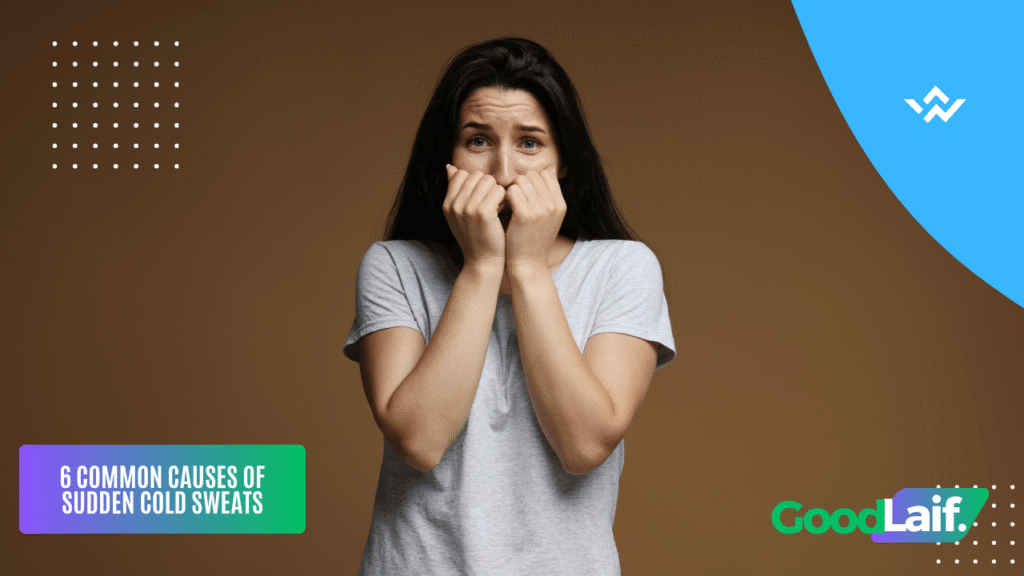
Before you panic, let’s look at six of the most common reasons why cold sweats can happen.
1. Stress, Anxiety, or Panic
This is one of the most common causes.
When you’re feeling anxious or panicked, your body releases adrenaline. As a result, your heart starts beating faster, your breathing changes, and you may suddenly break out in a cold sweat.
This often happens before giving a presentation, during a job interview, or while waiting for important news.
2. Low Blood Sugar (Hypoglycemia)
If you skip meals or have diabetes, your blood sugar can drop too low.
Besides cold sweats, you may also feel hungry, shaky, dizzy, or have trouble concentrating. That’s why it’s important not to skip meals.
3. Low Blood Pressure
A sudden drop in blood pressure can also trigger cold sweats.
You may feel weak, lightheaded, or like you’re about to faint, especially after standing up too quickly.
4. Severe Pain
Intense pain caused by an injury, kidney stones, or a severe toothache can also make you sweat.
This happens because your body is reacting to the pain.
5. Infection or Fever
When your body is fighting an infection, your body temperature may go up and down.
As your fever starts to come down, you may suddenly develop cold sweats. This is quite common with the flu and other infections.
6. Heart Problems
This is one cause you should never ignore.
If cold sweats occur together with severe chest pain, shortness of breath, nausea, or pain spreading to your arm or jaw, seek emergency medical care immediately. These symptoms could be a warning sign of a heart attack.
How to Manage Sudden Cold Sweats
If the cause isn’t serious, you can try these simple steps at home:
- Sit or lie down if you feel weak or dizzy.
- Drink plenty of water to stay hydrated.
- If you haven’t eaten, have a light snack or drink containing a small amount of sugar, especially if low blood sugar is suspected.
- Take slow, deep breaths if your cold sweats are triggered by stress or anxiety.
- Get enough rest and avoid overexerting yourself.
If you have diabetes, heart disease, or take prescription medications regularly, talk to your doctor if cold sweats happen frequently.
When Should You See a Doctor?
Occasional cold sweats usually aren’t a cause for concern.
However, you should see a doctor right away if you experience:
- Cold sweats that happen repeatedly without a clear reason.
- Severe chest pain or shortness of breath.
- Fainting or feeling like you’re about to faint.
- A high fever that doesn’t improve.
- Persistent nausea and vomiting.
- Cold sweats accompanied by extreme weakness.
The sooner the cause is identified, the sooner you can receive the right treatment.
Read Also : Chest Tightness: Know the Causes and How to Relieve It Safely
The Bottom Line
Sudden cold sweats can be caused by stress, low blood sugar, low blood pressure, severe pain, infections, or even heart problems. While many cases are harmless, some require immediate medical attention.
Keep in mind that this article is for informational purposes only and isn’t intended to diagnose any medical condition. If your cold sweats become frequent, get worse, or are accompanied by other concerning symptoms, don’t wait—see a healthcare professional.
Have you ever experienced sudden cold sweats? Did they happen because of stress, skipping a meal, or something else? Share your experience in the comments—you might help someone facing the same situation.





+ There are no comments
Add yours