
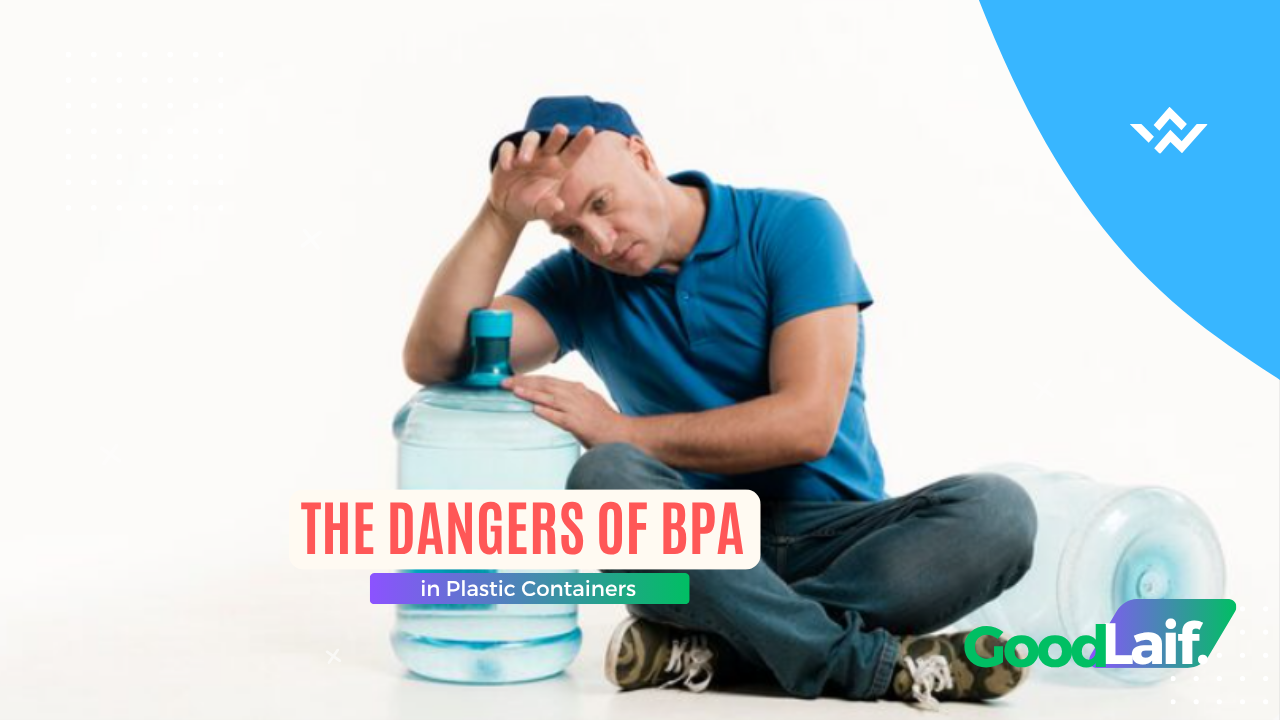
The use of plastic in daily life is difficult to avoid. From drinking bottles, food containers, shopping bags, to instant food packaging, many products use plastic materials because they are considered practical and affordable. However, behind its convenience, there are various health risks that should not be ignored. One of the most commonly discussed concerns is the danger of BPA in plastic products used every day.
BPA, or Bisphenol A, is a chemical compound commonly found in certain types of plastics and food can linings. Long-term exposure to this substance has been linked to various health problems, making it important for people to be more careful when using plastic-based products.
What Is BPA in Plastic?
BPA is an industrial chemical used to make plastic stronger and more transparent. This substance is often found in drinking bottles, food containers, and certain packaging materials.
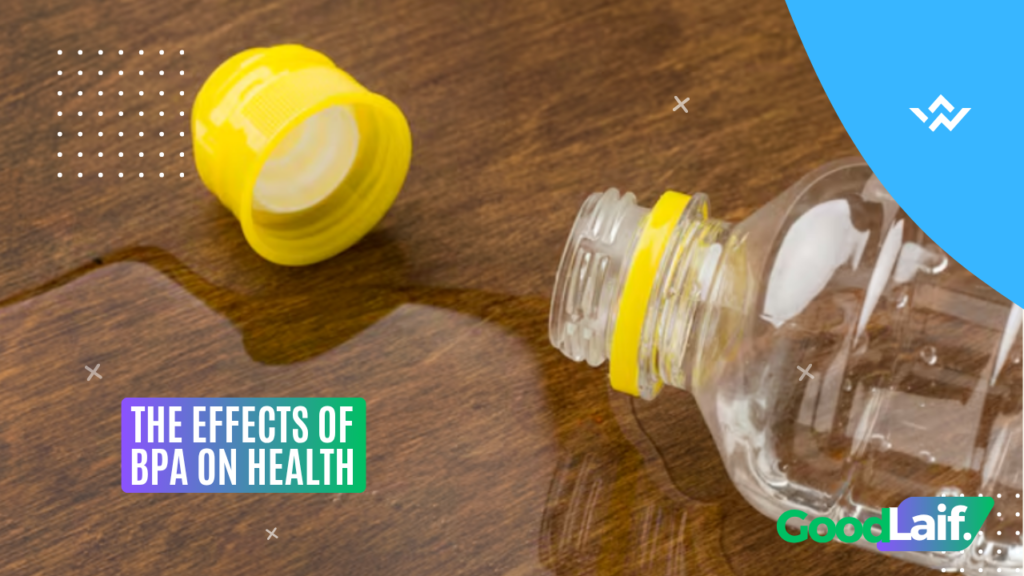
The problem is that BPA can transfer from plastic into food or drinks, especially when the container is exposed to high temperatures. This is why the dangers of BPA have become an important concern in the health world.
Exposure to small amounts of BPA may not immediately cause visible effects, but continuous long-term exposure still needs attention.
The Effects of BPA on Health
Disrupts the Hormonal System
One of the main effects of BPA is its ability to interfere with the body’s hormonal system. BPA is known as an endocrine disruptor because it can mimic the function of the hormone estrogen in the human body.
Hormonal disruption can affect metabolism, growth, and reproductive health. Because of this, the dangers of BPA are often associated with long-term health issues.
May Affect Fertility
Several studies suggest that BPA exposure may affect sperm quality and reproductive hormone balance. Not only men, but women may also experience hormonal disturbances due to continuous exposure to this chemical.
Pregnant women are even advised to be more cautious when using certain plastic containers because BPA may affect fetal development.
Linked to Chronic Diseases
Long-term BPA exposure has also been associated with an increased risk of chronic diseases such as obesity, diabetes, and heart disorders. Although research is still ongoing, many health experts recommend reducing the use of certain plastic products.
This shows that the dangers of BPA are not just a minor issue but something that should be considered as part of a healthy lifestyle.
Habits That Increase BPA Exposure Risk
Without realizing it, several daily habits can increase BPA exposure in the body, such as:
- Heating food in plastic containers
- Reusing plastic bottles for too long
- Pouring hot water into plastic cups
- Storing hot food in thin plastic packaging
- Using damaged or scratched plastic containers
High temperatures can accelerate the transfer of chemicals from plastic into food or beverages. Therefore, it is important to use plastic products more wisely.
How to Reduce BPA Exposure
To reduce health risks caused by BPA, there are several simple steps you can take:
- Use glass or stainless steel drinking bottles
- Choose products labeled BPA Free
- Avoid heating food in plastic containers
- Reduce the use of single-use plastics
- Replace old or damaged plastic containers
By applying these habits, the risk of chemical exposure from plastics can be minimized.
Conclusion
Plastic provides convenience in everyday activities, but its use should still be managed carefully. BPA contained in some plastic products may have negative effects on health if exposure occurs over a long period.
Understanding the dangers of BPA can help people become more cautious in choosing daily food and beverage containers. By reducing the use of certain plastics and switching to safer alternatives, the risk of health problems caused by BPA exposure can also be minimized.
READ ALSO ARTICLE: Dangers of Using Plastic Containers for Health










+ There are no comments
Add yours