
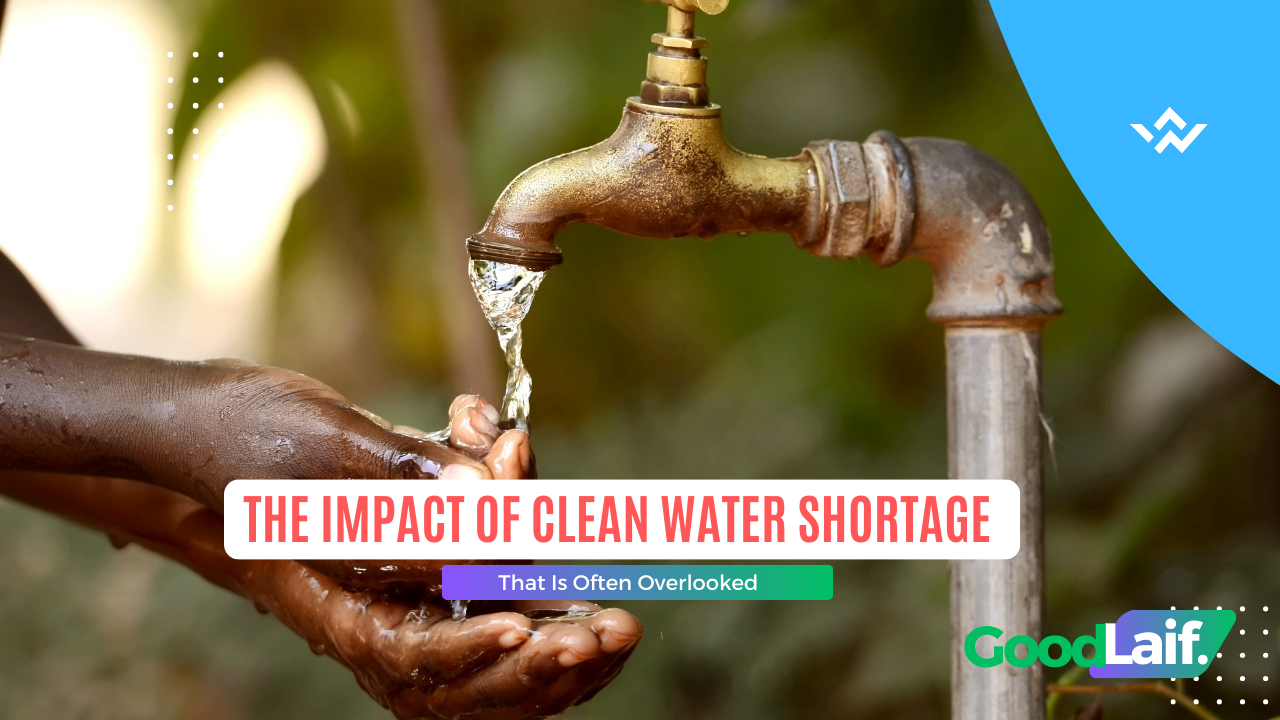
The impact of clean water shortage is a serious issue that often goes unnoticed until it directly affects daily life. Have you ever imagined living without access to clean water, even for just one day? Clean water is often taken for granted because it feels easily available in everyday activities. However, behind this convenience, many communities around the world still struggle to obtain safe and clean water. The impact of clean water shortage is not merely about discomfort—it creates serious problems for health, the environment, social conditions, and economic stability.
What Is Clean Water?
Clean water refers to water that is safe for daily use, including drinking, cooking, bathing, and washing. It should be free from harmful microorganisms, toxic chemicals, unpleasant odors, and abnormal colors. When access to clean water becomes limited, the impact of clean water shortage quickly spreads across multiple aspects of human life.
The Impact of Clean Water Shortage on Health
One of the most dangerous effects of the impact of clean water is the increased risk of disease. Contaminated water can carry bacteria, viruses, and parasites that cause illnesses such as diarrhea, cholera, typhoid, and dysentery. These diseases are especially harmful to children and the elderly, who have weaker immune systems.
Furthermore, clean water shortages make it difficult to maintain proper hygiene. Basic practices such as washing hands, cleaning food, and keeping living areas sanitary become challenging. As a result, infectious diseases spread more easily and are harder to control.
Social Impacts of Clean Water Shortage
The impact of clean water also affects social life within communities. In many regions, people must travel long distances to collect water, spending hours each day on this task. This reduces time for productive activities such as working, studying, or caring for family members.
Children are often the most affected, as they may be forced to help fetch water instead of attending school. Over time, this situation lowers educational quality and limits future opportunities. In extreme cases, competition over limited water sources can lead to tension and social conflict.
Environmental Impacts of Clean Water Shortage
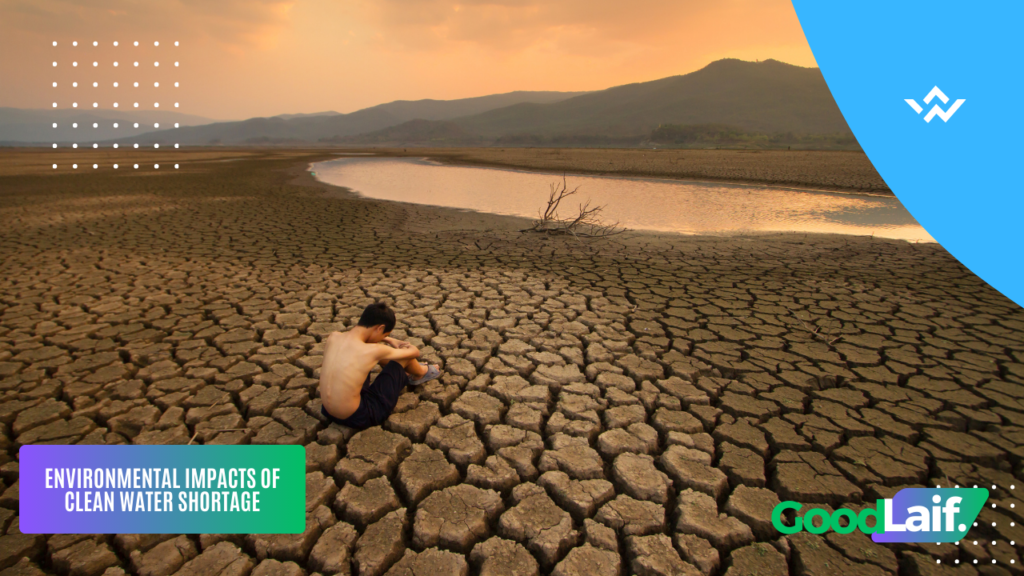
Environmental damage is another major aspect of the impact of clean water shortage. When clean water sources decline, people may rely on unsafe alternatives such as polluted rivers or stagnant water. This practice worsens pollution and damages aquatic ecosystems.
Clean water shortages are also closely linked to environmental destruction, including deforestation and climate change. Forest loss reduces the land’s ability to store water, causing water sources to dry up faster during dry seasons and increasing flood risks during rainy seasons.
Economic Impacts of Clean Water Shortage
From an economic standpoint, the impact of clean water shortage can significantly reduce productivity. People who become ill from unsafe water are unable to work effectively, leading to income loss. Medical expenses also increase, placing additional financial pressure on households.
In agriculture, limited access to clean water and irrigation often results in crop failure. This reduces food supply and drives up prices of basic necessities, affecting not only farmers but society as a whole.
The Importance of Awareness in Addressing Clean Water Shortage
Understanding the impact of clean water shortage highlights the importance of water conservation and environmental protection. Simple actions such as using water wisely, preventing pollution, and protecting natural water sources can make a meaningful difference.
At a larger scale, cooperation between governments, private sectors, and communities is essential. Investments in clean water infrastructure, sanitation education, and sustainable water management are long-term solutions to reduce the impact of clean water shortage.
Read Also : Cloudy Water A Minor Issue That Can Be Harmful to Health
Conclusion
The impact of clean water shortage affects health, social life, the environment, and the economy, and should never be underestimated. Limited access to clean water can trigger a chain reaction of serious problems that worsen over time. Therefore, protecting clean water availability through responsible use, environmental conservation, and collective efforts is crucial to ensuring a healthier and more sustainable future.






+ There are no comments
Add yours