
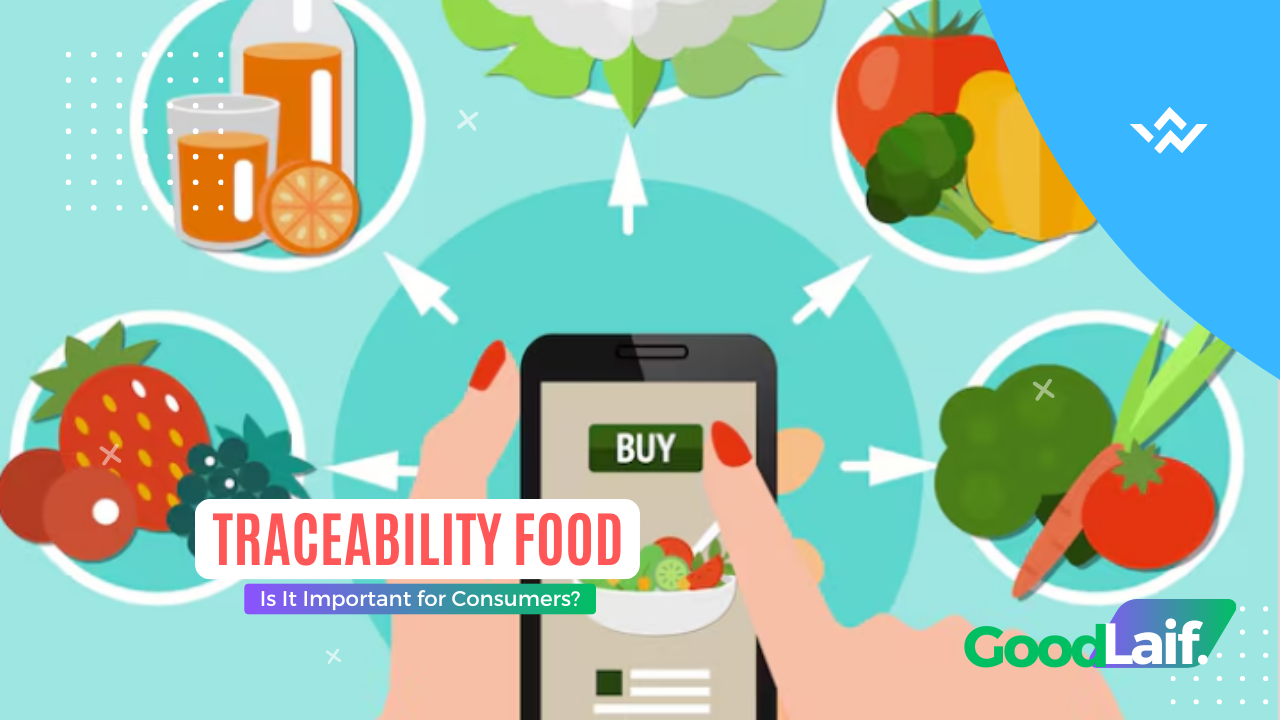
In recent years, consumer attention toward the origin of food has increased significantly. Consumers are no longer concerned solely with taste and price; they are increasingly attentive to how food is produced, processed, and distributed. One concept that has gained prominence in this context is food ingredient traceability.
Food traceability refers to the ability to track the journey of food ingredients from their original source. Such as farmers, livestock producers, or fisheries, through every stage of the supply chain until they reach the final consumer. This raises an important question: how important is traceability to consumers, and does it influence their purchasing decisions?
Definition of Food Ingredient Traceability
Food ingredient traceability is generally defined as a system that enables the identification and tracking of the history, location, and processing of food products throughout the supply chain. This system typically includes information related to:
- The origin of raw materials, including location, producers, and production methods
- Processing, handling, and storage stages
- Distribution and logistics
- Final sale or consumption
In practice, traceability systems may range from manual record-keeping to digital platforms, QR codes, and advanced technologies such as blockchain.
Key Drivers of Growing Consumer Interest

1. Food Safety Awareness
Incidents involving food contamination, product recalls, and foodborne illnesses have heightened consumer awareness of food safety risks. Traceability systems enable rapid identification and isolation of affected products, thereby reducing potential harm.
From a consumer perspective, the ability to trace a product’s origin provides reassurance that producers have implemented proper quality control and monitoring systems.
2. Health Considerations
Modern consumers are increasingly mindful of the ingredients and production processes behind the food they consume. Information regarding pesticide use, antibiotics, additives, and processing methods has become a significant factor in purchasing decisions.
Traceability offers a reliable foundation for consumers to make informed choices that align with their long-term health concerns.
3. Ethical and Environmental Concerns
Beyond health and safety, ethical and environmental issues play a growing role in consumer behavior. Many consumers seek assurance that food products are sourced responsibly, with due consideration for farmer welfare, animal well-being, and environmental sustainability.
Traceability allows consumers to verify whether products originate from responsible practices such as sustainable agriculture, fair trade, and locally sourced supply chains.
Do All Consumers Value Traceability?

Despite increasing awareness, consumer interest in traceability is not uniform. Consumers can generally be segmented into several groups:
- Value-driven consumers
These consumers actively seek information about food origins and are willing to pay a premium for transparency. - Pragmatic consumers
For this group, traceability is a positive attribute but not a primary factor influencing purchase decisions. - Price-sensitive consumers
This segment prioritizes affordability and accessibility, with traceability remaining a secondary concern.
These distinctions indicate that the perceived importance of traceability depends on market context, consumer education, and product positioning.
Impact of Traceability on Consumer Trust
Trust is a critical asset in the food industry. Transparency enabled by traceability systems directly contributes to building consumer trust. When food producers and restaurants openly disclose sourcing and production information, consumers are more likely to perceive the brand as credible and responsible.
Conversely, unclear or misleading claims regarding ingredient origins can erode trust, particularly in an era of heightened consumer awareness.
Challenges in Implementing Traceability Systems

Despite its benefits, implementing traceability systems presents several challenges, especially for small and medium-sized enterprises.
1. Cost and Infrastructure
Establishing reliable traceability systems often requires investment in technology, data management, and staff training. For smaller businesses, these costs may represent a significant barrier.
2. Supply Chain Complexity
The longer and more complex the supply chain, the more difficult it becomes to ensure data accuracy and consistency. Effective traceability requires strong collaboration among all stakeholders, which is not always easy to achieve.
3. Risk of Greenwashing
In some cases, traceability claims are used primarily as marketing tools without sufficient supporting data. Such practices risk misleading consumers and undermining trust in sustainability claims.
The Future Relevance of Food Traceability

Global trends suggest that traceability will increasingly become a standard expectation rather than a differentiating feature. Regulatory requirements, international market demands, and rising consumer expectations for transparency are likely to accelerate the adoption of traceability systems. For food businesses, particularly in the culinary and hospitality sectors, traceability can serve as a strategic tool to:
- Enhance consumer trust and loyalty
- Strengthen brand positioning around quality and sustainability
- Reduce operational and reputational risks
- Access premium and export-oriented markets
Conclusion
Food ingredient traceability is becoming increasingly relevant as consumers place greater emphasis on food safety, health, ethics, and sustainability. While not all consumers prioritize traceability equally, its role in building trust and supporting informed decision-making is undeniable.
Looking ahead, traceability goes beyond answering the question of where food comes from. It reflects a broader commitment by food businesses to transparency, accountability, and sustainable practices. In this context, traceability is not merely a consumer preference but a fundamental component of a resilient and responsible food system.
READ ALSO ARTICLE: Ultra Processed Foods That Are Making Your Brain Weaker














+ There are no comments
Add yours