
Vitamin D and menopause are linked through your bones, yet one surprising line in an NIH fact sheet may change how you think about supplements. It says vitamin D supplementation alone “appears to have no effect on risk reduction for fractures.” Vitamin D still matters, but it is only one piece of a bigger bone-health picture.
Here is what trusted sources say about why bones become more vulnerable after menopause, how much vitamin D adults are advised to get, and how to cover your needs with food first.
This article is for general education and is not medical advice. Please read our Medical Disclaimer and talk to your own clinician about your health.
Why Menopause Puts Your Bones at Risk
The National Institute on Aging explains that during the menopausal transition, the body’s production of estrogen and progesterone “declines greatly.” After menopause, women are more vulnerable to conditions that include osteoporosis.
Mayo Clinic is blunt about the link. It states that the fall in estrogen levels at menopause is one of the strongest risk factors for developing osteoporosis. It adds that osteoporosis-related breaks most commonly occur in the hip, wrist or spine.
Timing matters too. The National Institute of Arthritis and Musculoskeletal and Skin Diseases (NIAMS) notes that for many women, the disease begins to develop a year or two before menopause. So bone care is not only a post-menopause topic. If you are in perimenopause, our guide to the difference between perimenopause and menopause explains where that stage sits.
What Vitamin D Does for Bone
The NIH Office of Dietary Supplements says vitamin D promotes calcium absorption in the gut. It also states that insufficient vitamin D contributes to osteoporosis by reducing calcium absorption.
In simple terms, calcium is the building material and vitamin D helps your body take it in. Without enough of the second, the first is less useful.
How Much Vitamin D Do You Need After 40?
Mayo Clinic advises at least 600 international units (IU) of vitamin D a day for adults, rising to 800 IU a day after age 70. The NIH fact sheet lists the same recommended amounts: 600 IU (15 mcg) for ages 19 to 50 and 51 to 70, and 800 IU (20 mcg) above 70.
The same fact sheet sets a tolerable upper limit of 4,000 IU (100 mcg) a day for people aged 9 and older. More is not better. It also says blood levels above 50 ng/mL are associated with potential adverse effects.
For calcium, Mayo Clinic gives 1,000 mg a day for ages 18 to 50, rising to 1,200 mg for women at 50.
What Blood Levels Mean
The NIH fact sheet describes three bands of serum 25(OH)D, the usual blood test for vitamin D status:
- Below 12 ng/mL (30 nmol/L): associated with vitamin D deficiency.
- 12 to 20 ng/mL (30 to 50 nmol/L): generally considered inadequate for bone and overall health.
- 20 ng/mL (50 nmol/L) or above: generally considered adequate.
Only a blood test can tell you where you stand. Ask your clinician whether testing makes sense for you, because guidance on who should be tested varies.
How Common Is Low Vitamin D?
The CDC’s National Center for Health Statistics reported on vitamin D status in the United States using 2001 to 2006 survey data. About two-thirds of people aged one and over had sufficient levels. Roughly one quarter were at risk of inadequacy, and 8 percent were at risk of deficiency.
These numbers are now many years old, so treat them as a snapshot, not today’s rate. Still, they show that a meaningful share of the population falls short.
The Surprise: A Supplement Alone May Not Prevent Fractures
This is the part many headlines skip. The NIH fact sheet says vitamin D supplementation alone appears to have no effect on risk reduction for fractures, and it does not appear to reduce falls among the elderly.
The same page adds a nuance. Vitamin D and calcium together help reduce fractures in institutionalized older populations. However, the benefit is inconsistent in community-dwelling individuals, meaning people who live at home.
Note that the NIH page we read carries an older review date, and research on this topic continues to be debated. The practical takeaway is steady and low-drama. Aim to get enough vitamin D and calcium, but do not expect a pill to protect your bones on its own.
Food Sources of Vitamin D
Few foods are rich in vitamin D, which is why many people lean on supplements. According to the NIH fact sheet, here is what common foods provide:
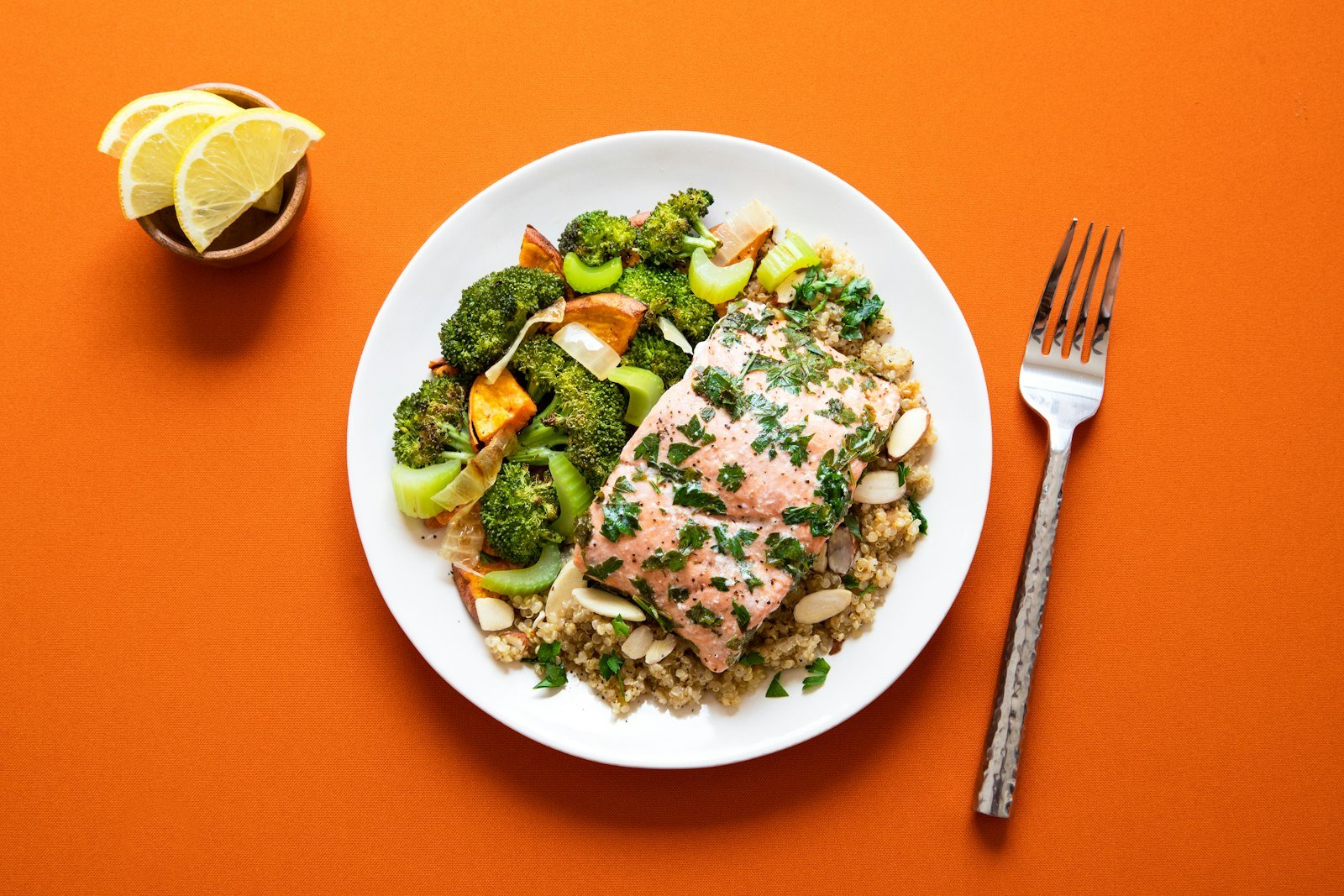
- Sockeye salmon, cooked, 3 ounces: 447 IU.
- Cod liver oil, 1 tablespoon: 1,360 IU.
- Vitamin D-fortified milk, 1 cup: about 115 to 124 IU.
- Egg, 1 large: 41 IU, found in the yolk.
The NIH adds that some mushrooms provide vitamin D2 in variable amounts. Do the math on eggs and you will see the gap: it would take roughly 15 large eggs to reach 600 IU. A serving of salmon gets you most of the way in one meal.
Cod liver oil is potent but is not a casual addition. Because a single tablespoon supplies a large dose, check labels and speak to your clinician first. For more ideas, see our list of drinks that contain vitamin D.
Practical Steps for Stronger Bones After 40
Based on what these sources support, here is a realistic, low-risk plan. It does not replace personal medical advice.
- Check your intake first. Add up vitamin D from food and any supplements, and compare with the 600 IU guidance.
- Eat fatty fish. A salmon dinner supplies a large share of a day’s vitamin D in one sitting.
- Pair vitamin D with calcium. Aim for the calcium amounts Mayo Clinic lists for your age.
- Do not exceed the upper limit. The NIH lists 4,000 IU a day as the ceiling for most adults.
- Move your bones. Mayo Clinic lists a sedentary lifestyle among osteoporosis risk factors. Our piece on strength training for perimenopause shows a gentle way to start.
- Review habits. Mayo Clinic also lists excessive alcohol (more than two drinks a day) and tobacco use as risk factors.
Curious about supplement choices beyond vitamin D? Our earlier guide to bone vitamins for menopausal women is a good companion read.
FAQ: Vitamin D and Menopause
How much vitamin D should a woman take after menopause?
Mayo Clinic advises at least 600 IU a day, rising to 800 IU after age 70. The NIH lists the same recommended amounts and a tolerable upper limit of 4,000 IU a day. Your clinician may tailor this based on your blood level and diet.
Does vitamin D prevent osteoporosis after menopause?
Not by itself. The NIH says vitamin D helps calcium absorption, but supplementation alone appears to have no effect on fracture risk. Calcium, exercise, and avoiding smoking and heavy drinking also shape bone health.
What foods are highest in vitamin D?
According to the NIH, cod liver oil has 1,360 IU per tablespoon and cooked sockeye salmon has 447 IU in 3 ounces. Fortified milk offers about 115 to 124 IU per cup, and one large egg has 41 IU.
Your Next Step
This week, add one vitamin D food to your plan, such as salmon or fortified milk, and ask your clinician if a blood test is right for you. If you would like gentle, practical support, you can Join the GoodLaif Community and get our set of 50 diet motivation graphics as a thank-you.





+ There are no comments
Add yours