
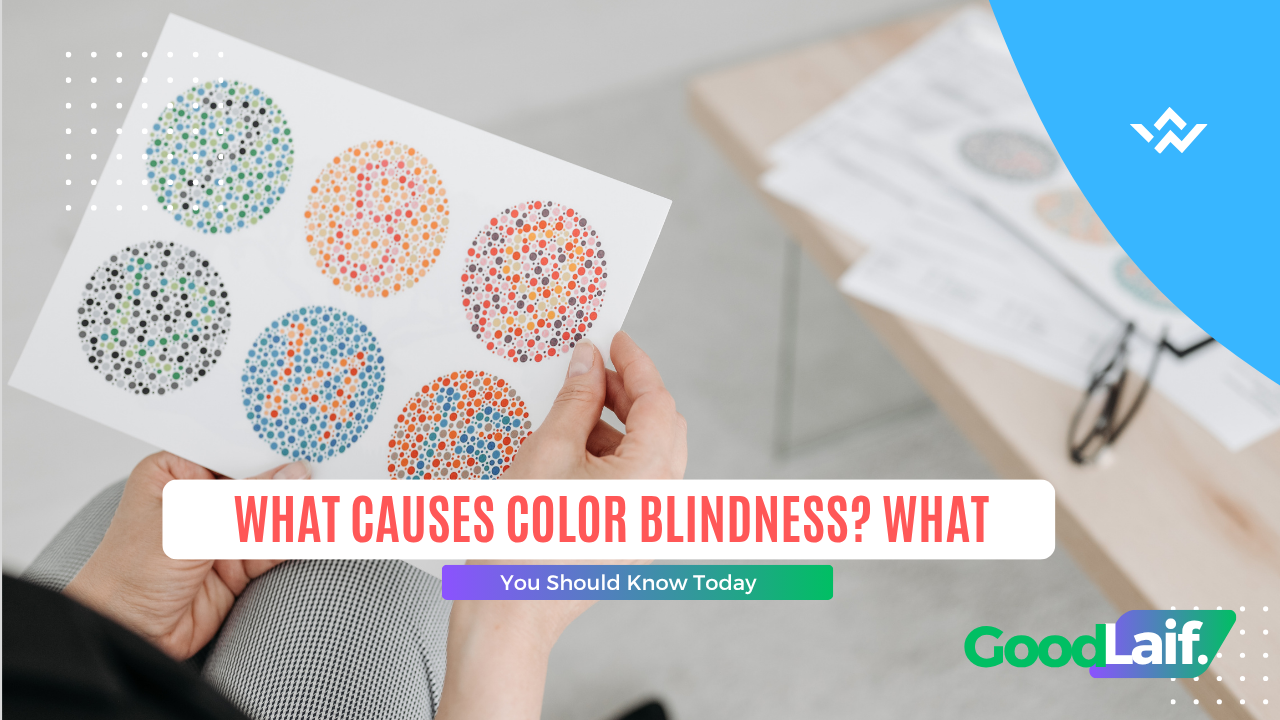
Have you ever confused red with green or realized that the colors you see look different from what other people describe? It can make everyday tasks more challenging, from choosing matching clothes to reading traffic lights. It’s natural to feel worried and wonder if something is wrong with your eyesight. The good news is that the causes of color blindness are not always linked to a serious illness. Understanding what causes it can help you recognize the condition early and know when it’s time to see an eye doctor.
Disclaimer: This article is for general educational purposes only and should not replace professional medical advice, diagnosis, or treatment. If you have difficulty distinguishing colors or notice changes in your vision, consult an eye specialist.
Why Does Color Blindness Happen?
Our ability to see different colors depends on cone cells in the retina, which detect red, green, and blue light. If one or more of these cone cells do not function properly, the brain has trouble identifying certain colors. That’s why red-green color blindness is the most common type, while blue-yellow color blindness and complete color blindness are much less common.
Here are the most common causes of color blindness you should know.
1. Inherited Genetics
The most common cause is genetics. This condition is present from birth and usually does not worsen over time. For example, many people only discover they have color blindness during a school medical exam or a pre-employment health check.
2. Aging
As you get older, the eyes naturally change, and the ability to distinguish colors may gradually decline. For instance, older adults may find it harder to tell blue from green.
3. Eye Diseases
Eye conditions such as glaucoma, cataracts, and macular degeneration can damage the retina or optic nerve. As a result, color signals are not transmitted to the brain as effectively as they should be.
4. Certain Medical Conditions
In addition to eye diseases, conditions such as diabetes, multiple sclerosis, and Parkinson’s disease can affect the optic nerve, reducing the ability to distinguish colors. This may cause colors to appear faded or less vibrant than usual.
5. Side Effects of Medication
Long-term use of certain medications can also affect the way your eyes perceive colors. For example, some medicines used to treat heart disease or infections may alter color vision in certain people.
Can Color Blindness Be Treated?

The answer depends on the cause. Inherited color blindness cannot usually be cured. However, if it is caused by an underlying medical condition or medication, color vision may improve once the cause is treated.
Many people only realize they have color blindness after taking a color vision test. That’s why getting tested is important if you often struggle to tell colors apart.
What You Can Do
Although inherited color blindness cannot be cured, these practical tips can make everyday life easier:
- Use good lighting when identifying colors.
- Take advantage of smartphone apps that recognize colors.
- Label clothing to avoid mixing up colors.
- Ask family or friends for help when identifying important color-coded items, such as electrical wires or medication labels.
- Consider color blindness glasses if recommended by your eye doctor. Keep in mind that results vary from person to person.
- Schedule an eye examination if color vision suddenly changes.
These steps won’t cure color blindness, but they can help you complete daily activities more safely and confidently.
When Should You See a Doctor?
See an eye doctor if you experience any of the following:
- Difficulty distinguishing colors that appears suddenly.
- Color vision problems accompanied by blurred vision or eye pain.
- Trouble seeing colors after a head injury.
- Symptoms that become more frequent or worsen over time.
- Color vision problems that interfere with daily activities.
Early evaluation helps identify the underlying cause and allows the right treatment to begin sooner.
How to Keep Your Eyes Healthy
Even though not every case of color blindness can be prevented, maintaining good eye health is still important. Eat a balanced diet, wear protective eyewear when needed, manage chronic conditions such as diabetes, and have regular eye examinations.
Read Also : Color Blindness Test: How to Know If Your Color Vision Is Normal
Conclusion
The causes of color blindness are most commonly inherited, but they may also be related to aging, eye diseases, certain medical conditions, or medication side effects. While inherited color blindness is usually permanent, color vision problems caused by other conditions may improve after appropriate treatment.
Remember, color blindness doesn’t have to limit your life. With the right strategies, you can continue your daily activities safely and confidently. If you notice your ability to distinguish colors getting worse or changing suddenly, don’t wait to consult an eye doctor.
This article is intended for educational purposes only and should not replace professional medical advice, diagnosis, or treatment.








+ There are no comments
Add yours