
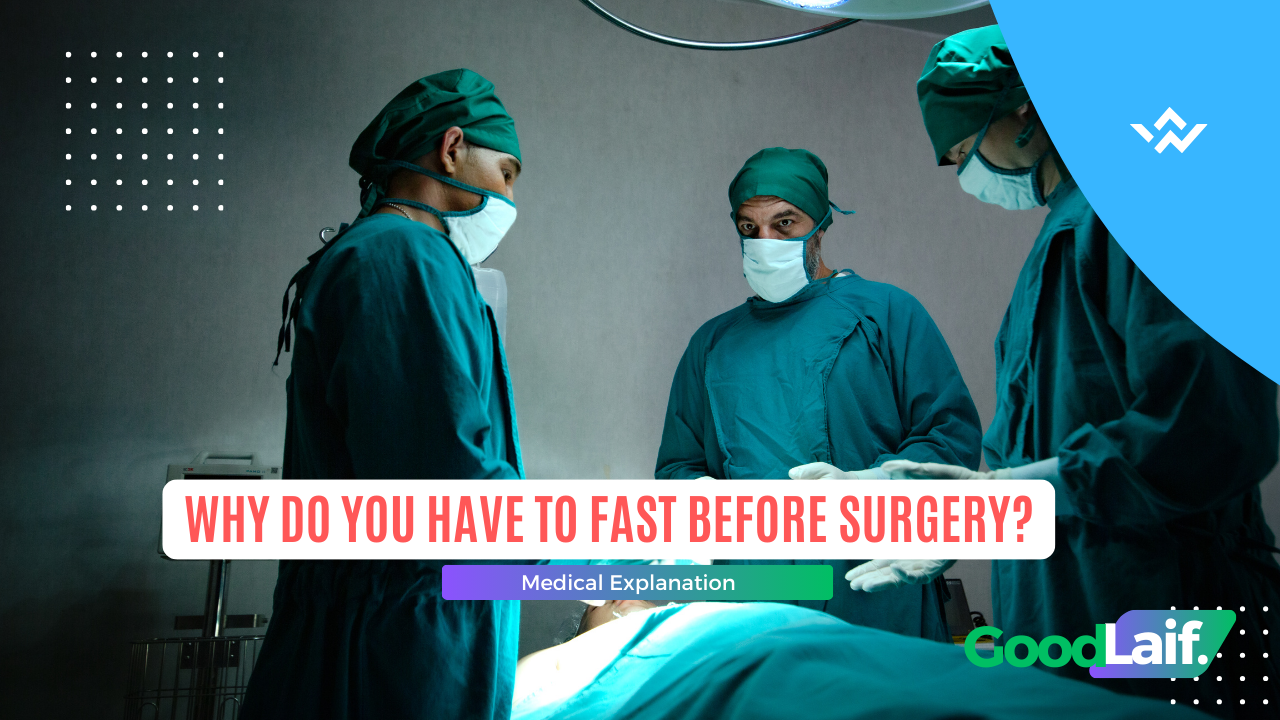
Have you ever wondered why do you have to fast before surgery, even though your body seems to need energy the most at that time? Many patients feel confused or anxious when doctors instruct them not to eat or drink hours before an operation. At first glance, fasting may seem unnecessary. However, behind this rule lies an important medical reason that plays a crucial role in patient safety.
This question often arises, especially for people undergoing surgery for the first time. Preoperative fasting is not meant to make patients uncomfortable, but rather to reduce serious risks during and after the procedure.
What Does Fasting Before Surgery Mean?
Fasting before surgery means that patients are not allowed to eat or drink for a certain period, usually between 6 to 8 hours before the operation. This instruction applies to most surgical procedures, particularly those that involve general anesthesia.
The main goal of fasting is to ensure that the stomach is empty during surgery. When the stomach contains food or liquid, the risk of complications increases significantly once anesthesia is administered.
Why Do You Have to Fast Before Surgery?
The primary reason why do you have to fast before surgery is closely related to the effects of anesthesia. When a patient is under general anesthesia, the body’s natural reflexes—such as swallowing and coughing—become weakened or temporarily stop.
If the stomach is not empty, its contents can flow back up into the throat and enter the lungs. This condition, known as aspiration, can cause serious breathing problems, lung infections, or even life-threatening complications.
In addition, fasting helps reduce the risk of nausea and vomiting after surgery. Anesthesia can trigger nausea, and having food in the stomach makes vomiting more likely, which may slow down recovery and cause discomfort.
Is Fasting Required for All Surgeries?
Not all surgical procedures require the same fasting rules. Minor procedures that use local anesthesia may allow more flexibility. However, for major surgeries or operations involving general anesthesia, fasting is almost always required to ensure patient safety.
The duration of fasting can also depend on a patient’s health condition. People with diabetes, digestive disorders, or other medical conditions may receive special instructions from their doctor to balance safety and comfort.
What Happens If You Don’t Fast Before Surgery?

Ignoring fasting instructions can lead to serious consequences. In many cases, the surgery may be delayed or canceled to prevent unnecessary risks. If surgery proceeds without proper fasting, the chance of aspiration and breathing complications increases.
Furthermore, patients who do not follow fasting guidelines may experience stronger nausea, vomiting, and longer recovery times after surgery.
Tips to Make Pre-Surgery Fasting Easier
To make fasting more manageable, eat light, nutritious, and easily digestible foods the night before surgery. Avoid fatty, spicy, or heavy meals. Always follow your doctor’s instructions carefully, including when to stop eating and drinking.
If you feel extremely uncomfortable or have a medical condition that makes fasting difficult, inform your healthcare provider immediately.
Read Also : Effects of Dehydration on Your Body
Conclusion
Now you understand why do you have to fast before surgery. This medical guideline is designed to protect patients from serious complications and ensure a safer surgical process. By following fasting instructions, surgery can proceed more smoothly, and recovery can be faster and more comfortable.








+ There are no comments
Add yours