
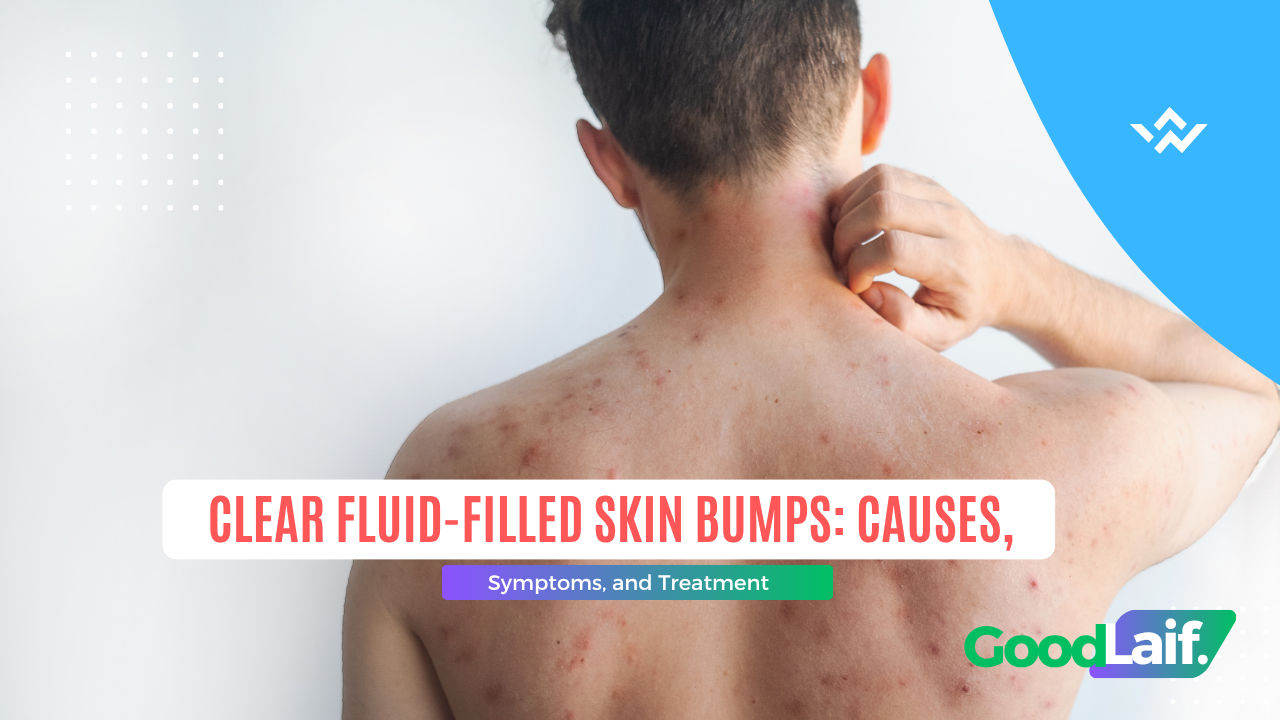
Clear fluid-filled skin bumps can be alarming, especially when they appear suddenly and cause itching or discomfort. At first, they may look like small blisters filled with clear liquid, but in some cases they can spread or appear in multiple areas of the body. Many people immediately assume they are dealing with an allergy, but the possible causes can vary.
These bumps may develop on the hands, feet, face, arms, or skin folds. Some cases are mild and improve with simple home care, while others may require medical evaluation to identify the underlying cause.
This article is for educational purposes only and does not replace diagnosis, treatment, or medical advice from a doctor or healthcare professional.
Why Do Clear Fluid-Filled Skin Bumps Appear?
These bumps usually develop when irritation, inflammation, or another skin reaction causes fluid to collect beneath the surface of the skin.
Common Causes of Clear Fluid-Filled Skin Bumps
- Allergic reactions to cosmetics, foods, medications, or other substances
- Contact dermatitis caused by soaps, detergents, fragrances, or skincare products
- Eczema (atopic dermatitis), which may cause recurring itchy skin flare-ups
- Heat rash, especially in hot and humid conditions
- Insect bites or stings
- Certain skin infections, including herpes or impetigo
Because each condition can produce similar-looking bumps, it is important to consider other symptoms and possible triggers.
Common Types of Clear Fluid-Filled Skin Bumps
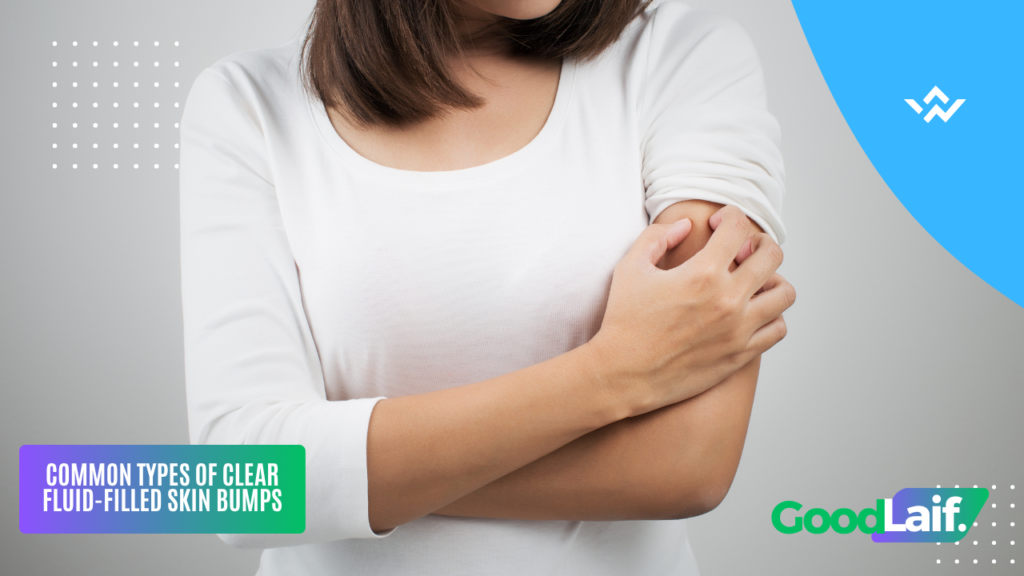
Clear fluid-filled bumps may appear in different forms.
1. Vesicles
A vesicle is a small blister filled with clear fluid, usually measuring less than 1 centimeter in diameter. Vesicles are commonly seen in conditions such as dermatitis, allergic reactions, and heat rash.
2. Bullae
Bullae are larger fluid-filled blisters that measure more than 1 centimeter in diameter. They may occur in certain skin conditions or after more significant irritation.
While the appearance of the bumps may provide clues, only a medical examination can determine the exact cause.
Symptoms That May Occur Alongside the Bumps
In addition to the fluid-filled bumps themselves, other symptoms may include:
- Itching
- Redness
- Burning or stinging sensations
- Dry or flaky skin
- Blisters that break and release fluid
Symptoms can range from mild to more severe depending on the underlying condition.
How to Manage Clear Fluid-Filled Skin Bumps
The most appropriate treatment depends on the cause. However, a few simple measures may help reduce discomfort.
1. Avoid Scratching
Scratching may provide temporary relief, but it can worsen irritation and increase the risk of infection if the skin becomes damaged.
2. Keep the Area Clean
Gently wash the affected skin with clean water and a mild cleanser. Pat the area dry instead of rubbing it.
3. Apply a Cool Compress
A cool compress may help soothe itching, reduce irritation, and improve comfort.
4. Avoid Suspected Triggers
If the bumps appeared after contact with a particular product or substance, stop using it temporarily and monitor whether the condition improves.
When Should You See a Doctor?
Consider seeking medical advice if:
- The bumps continue to spread
- Symptoms do not improve after several days
- Pain, swelling, or pus develops
- You have a fever or feel generally unwell
- The condition keeps recurring without a clear cause
A healthcare professional can help identify the cause and recommend appropriate treatment.
What Should You Avoid?
If you have clear fluid-filled skin bumps, try to avoid:
- Popping or breaking the blisters intentionally
- Excessive scratching
- Using medications or creams without knowing the cause
- Applying products that may further irritate the skin
These actions may worsen symptoms or increase the risk of infection.
Read Also : How to Get Rid of Heat Rash, Why Does the Skin Feel Itchy?
Conclusion
Clear fluid-filled skin bumps can result from various conditions, including allergies, contact dermatitis, eczema, heat rash, insect bites, or certain skin infections. They may appear as small vesicles or larger blisters depending on the underlying cause.
Although many cases are mild, it is important not to scratch or intentionally break the bumps. If symptoms worsen, spread, or keep returning, consult a healthcare professional for proper evaluation and treatment.






+ There are no comments
Add yours