
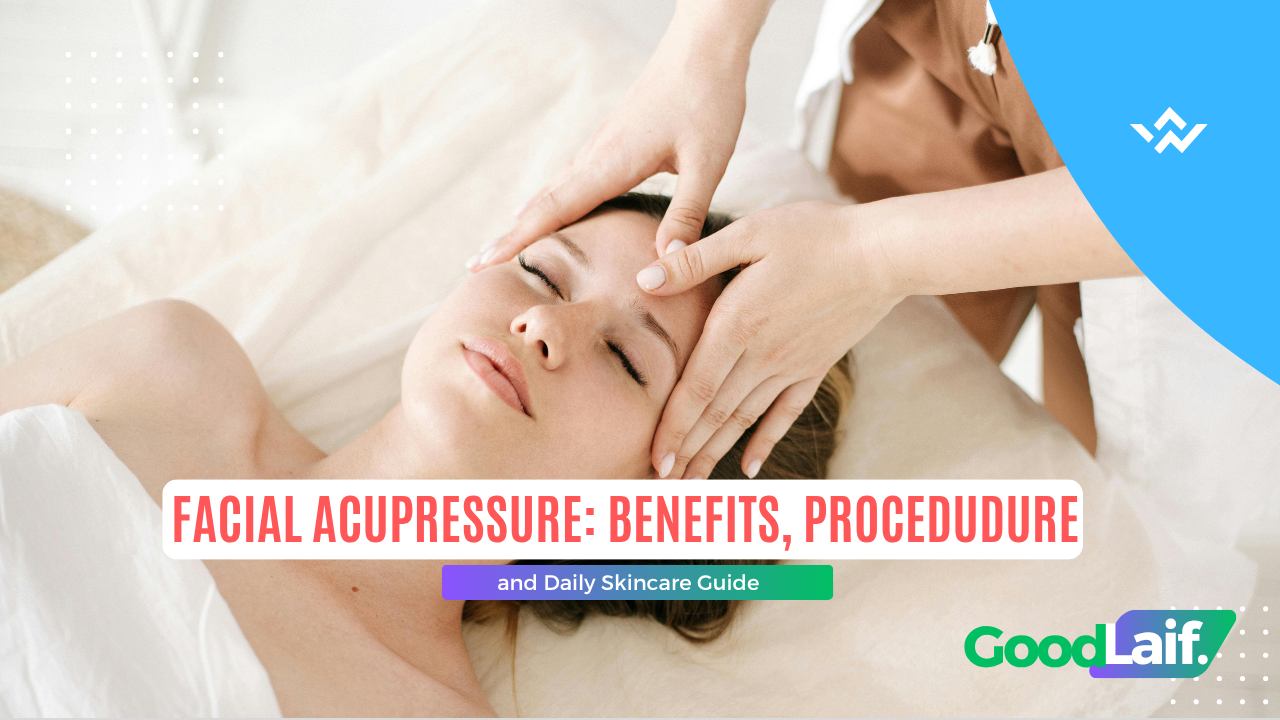
Have you ever tried facial acupressure to refresh your skin and relax your face? This treatment has become increasingly popular because it is believed to help relieve facial muscle tension, improve blood circulation, and promote relaxation. Many people include face acupressure in their skincare routine or choose it as a way to unwind after a busy day.
While facial acupressure offers several potential benefits, it is important to understand that it is not a medical treatment for skin diseases or other health conditions. Instead, it serves as a complementary therapy that promotes relaxation and supports overall skin wellness. According to dermatologists, face acupressure should not replace professional medical care for specific skin concerns.
What Is Facial Acupressure?
Facial acupressure is a massage technique that involves applying gentle pressure to specific points on the face. The method is based on the principles of acupressure, which stimulates pressure points without using needles.
This treatment should be performed by a trained therapist or licensed skincare professional. Before undergoing facial acupressure, it is recommended to consult a healthcare provider or skincare specialist to ensure the treatment is suitable for your skin type and overall health.
Benefits of Facial Acupressure
When performed correctly, face acupressure may provide several benefits.
1. Supports Healthy Blood Circulation
Gentle pressure and massage may improve blood flow to the skin, giving the face a healthier and more radiant appearance.
2. Relieves Facial Muscle Tension
Stress, fatigue, and repetitive facial expressions can cause muscle tightness. Facial acupressure helps relax these muscles, making the face feel more comfortable.
3. Promotes Relaxation
Applying pressure to specific facial points may help reduce stress and encourage a greater sense of relaxation. Many people feel calmer after a treatment session.
4. Complements Your Skincare Routine
Facial acupressure is often combined with facial oils or serums. Massage can help spread skincare products evenly across the skin, although absorption still depends on the product’s ingredients.
What Happens During a Facial Acupressure Session?
A typical face acupressure session usually includes the following steps:
- Cleansing the face to remove makeup, oil, and dirt.
- Applying facial oil or massage cream.
- Gently pressing specific acupressure points on the face.
- Performing light massage movements to encourage relaxation.
- Finishing the treatment with moisturizer or other skincare products if needed.
Most sessions last between 30 and 60 minutes, depending on the treatment method and clinic.
Is Facial Acupressure Safe?
Facial acupressure is generally safe when performed by a trained professional using proper techniques.
However, you should postpone the treatment if you have:
- Inflamed or infected acne, as pressure may worsen inflammation and spread bacteria.
- Open wounds, which increase the risk of infection.
- Skin infections, such as herpes, because massage may spread the infection.
- Recently undergone laser treatment, chemical peels, or dermal fillers, since the skin needs time to heal.
Possible Side Effects
Although facial acupressure is generally safe, some people may experience temporary redness due to increased blood circulation. Mild soreness can also occur if excessive pressure is applied. Individuals with acne-prone skin may develop clogged pores if massage oils are not suitable for their skin type. If symptoms persist for more than two days or become worse, consult a dermatologist.
Tips Before Trying Facial Acupressure
To make your treatment safer and more comfortable, follow these tips:
- Choose a qualified therapist or reputable beauty clinic.
- Ensure proper hygiene during the treatment.
- Inform the therapist if you have sensitive skin or are receiving other skincare treatments.
- Ask for lighter pressure if you experience discomfort.
- Drink enough water after the session to stay hydrated.
Read Also : Facial Treatments: Benefits, Risks, and How to Choose Safely
Conclusion
Facial acupressure can help promote relaxation, reduce facial muscle tension, and leave your skin feeling refreshed. However, it should not be considered a substitute for medical treatment for skin conditions or other health problems.
When performed correctly and tailored to your skin’s needs, face acupressure can be a valuable addition to your skincare routine. Before starting treatment, consult a dermatologist or a trusted skincare clinic to ensure it is safe and appropriate for your skin.







+ There are no comments
Add yours