
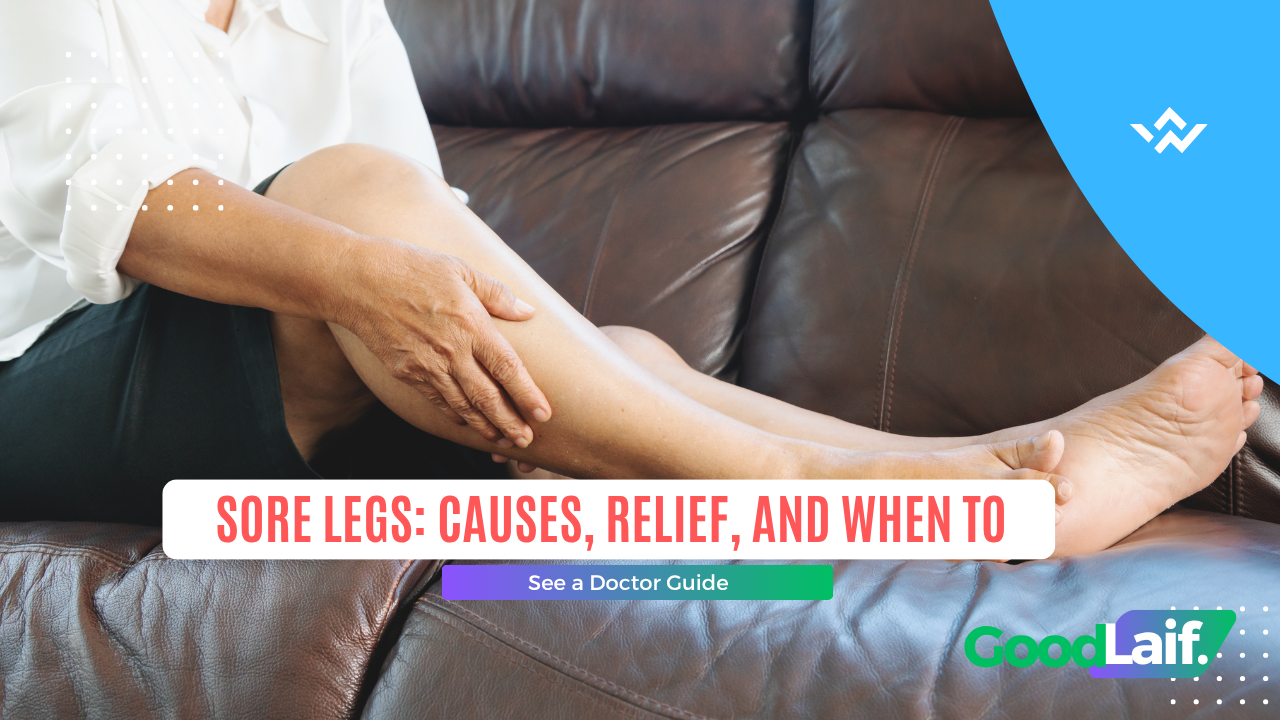
Do your legs often feel sore after a long day of work or physical activity? While occasional soreness is common, persistent discomfort that occurs almost every day without an obvious reason should not be ignored. Sore legs can interfere with daily activities, reduce mobility, and sometimes indicate an underlying health condition.
In many cases, sore legs are caused by muscle fatigue and improve with adequate rest. However, if the discomfort persists or is accompanied by other symptoms, it is important to seek medical advice. According to the Indonesian Ministry of Health (Kementerian Kesehatan RI), ongoing muscle and joint complaints should be evaluated to determine the underlying cause and receive appropriate treatment. Doctors also emphasize that persistent leg soreness may signal a medical condition requiring professional care.
Disclaimer: This article is for informational purposes only and should not replace medical advice, diagnosis, or treatment from a qualified healthcare professional.
What Causes Sore Legs?

There are many possible reasons why your legs may feel sore, ranging from everyday habits to certain medical conditions.
1. Excessive Physical Activity
Standing for long periods, walking long distances, or engaging in intense exercise can overwork the leg muscles, leading to soreness and fatigue.
2. Lack of Movement
Sitting for extended periods can cause muscles to become stiff and reduce blood circulation, making your legs feel uncomfortable when you start moving again.
3. Dehydration
Not drinking enough water can affect normal muscle function and increase the risk of soreness or muscle cramps, especially after exercise.
4. Mineral Deficiency
Low levels of potassium, magnesium, or calcium may interfere with muscle and nerve function, contributing to sore or cramping legs.
5. Poor Blood Circulation
Conditions such as varicose veins or other circulatory problems may cause your legs to feel heavy, tired, or sore, particularly after standing for long periods.
6. Certain Medical Conditions
Several health conditions may also contribute to frequent leg soreness, including:
- Diabetes: High blood sugar can damage the nerves in the legs, causing soreness, numbness, or tingling.
- Arthritis: Joint inflammation can result in pain, stiffness, and aching legs.
- Nerve Disorders: Pinched nerves or peripheral neuropathy may trigger soreness accompanied by numbness.
- Obesity: Excess body weight places additional stress on the muscles and joints of the legs.
If your symptoms continue for an extended period, consult a doctor for a proper evaluation.
How to Relieve Sore Legs
If your sore legs are caused by daily activities, the following steps may help relieve the discomfort.
1. Get Enough Rest
Allow your muscles time to recover, especially after strenuous physical activity.
2. Stretch Regularly
Gentle stretching before and after exercise helps reduce muscle tension and improves flexibility.
3. Stay Hydrated
Drinking enough water supports healthy muscle function and helps reduce the risk of cramps.
4. Eat a Balanced Diet
Consume foods rich in magnesium, potassium, calcium, and protein to support muscle health and recovery.
5. Apply a Warm Compress
A warm compress can help relax tight muscles and provide temporary relief from soreness.
Important Note
If your legs remain sore after 3–5 days of self-care, or if the pain worsens or swelling develops, stop self-treatment and see a doctor. Continuing to exercise or massaging the affected area without knowing the cause may worsen certain conditions, such as injuries or vascular disorders.
When Should You See a Doctor?
Seek medical attention immediately if your sore legs are accompanied by:
- Severe pain or difficulty walking.
- Swelling, redness, or warmth in the legs.
- Persistent numbness or tingling.
- Soreness lasting more than one week despite adequate rest.
- Fever or pain following a serious injury.
A doctor can perform the necessary examinations to identify the cause and recommend the appropriate treatment.
Tips to Prevent Sore Legs
You can reduce the risk of sore legs by following these healthy habits:
- Warm up before exercising.
- Wear comfortable and supportive footwear.
- Avoid standing or sitting for long periods without moving.
- Maintain a healthy body weight.
- Exercise regularly to strengthen your muscles and improve circulation.
Read Also : Elephantiasis: Causes, Symptoms, and How to Prevent It
Conclusion
Sore legs are not always a sign of a serious medical condition, but they should not be ignored if they occur frequently or are accompanied by other symptoms. Muscle fatigue, dehydration, poor circulation, and certain medical conditions are among the most common causes.
If your symptoms do not improve with rest or begin to interfere with your daily activities, consult a general practitioner or an orthopedic specialist for further evaluation. Identifying the cause early can help ensure proper treatment and keep your legs healthy and functioning well.








+ There are no comments
Add yours