
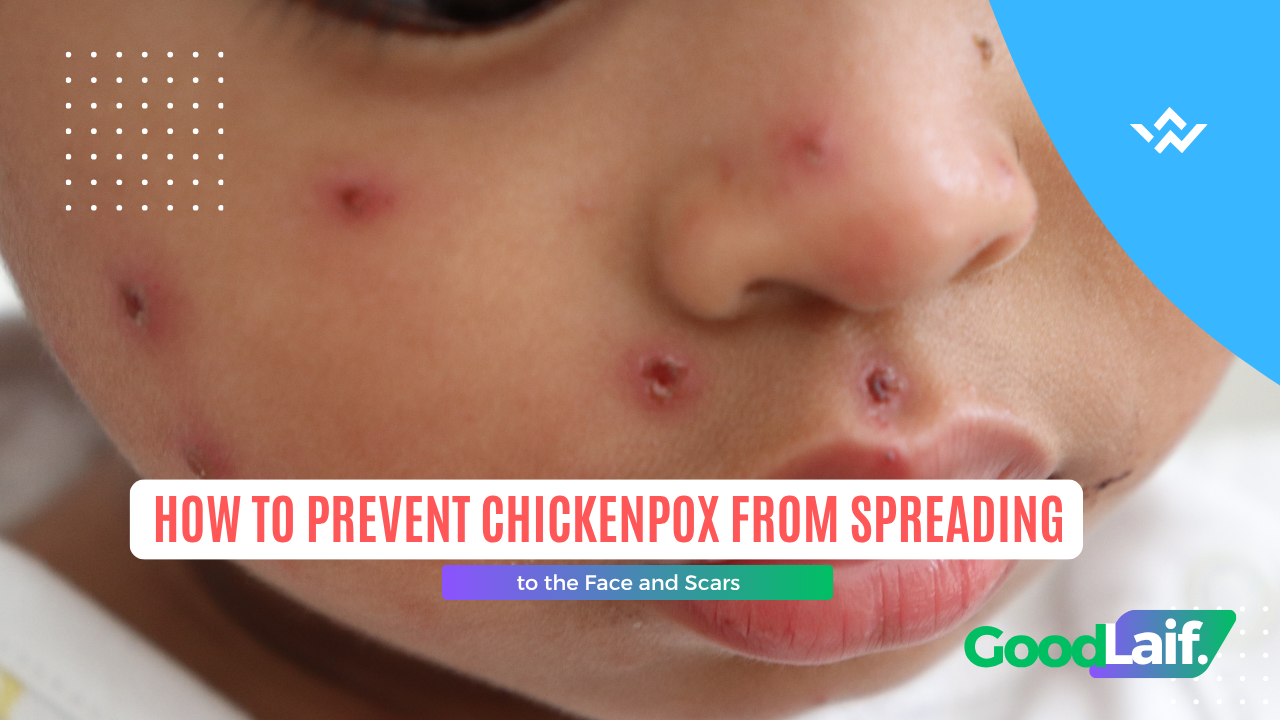
When chickenpox develops, many people become concerned once the rash starts appearing closer to the face. This is understandable because the face is one of the most visible parts of the body, and chickenpox marks in this area can affect appearance. As a result, many people look for how to prevent chickenpox from spreading to the face and leaving scars while the infection heals.
Chickenpox is caused by the varicella-zoster virus. The infection typically causes itchy, fluid-filled blisters that can appear on different parts of the body, including the face.
It is important to understand that facial rashes can be a normal part of chickenpox. Although it may not always be possible to completely prevent them from appearing, proper care can help protect the skin, reduce irritation, and lower the risk of long-term scarring.
This article is for educational purposes only and should not replace professional medical advice, diagnosis, or treatment from a healthcare provider.
Can Chickenpox Appear on the Face?
Yes. In some people, chickenpox lesions can develop on the face because the virus affects multiple areas of the skin during the course of the infection.
For this reason, the goal is not necessarily to stop every rash from appearing on the face, but rather to prevent irritation, infection, and excessive inflammation that may increase the risk of scarring.
5 Ways to Keep Chickenpox from Becoming Worse on the Face
1. Avoid Scratching the Rash
Itching is one of the most common symptoms of chickenpox.
Even though scratching may provide temporary relief, it can damage the skin and increase the risk of bacterial infection. This is especially important on the face, where scars may be more noticeable.
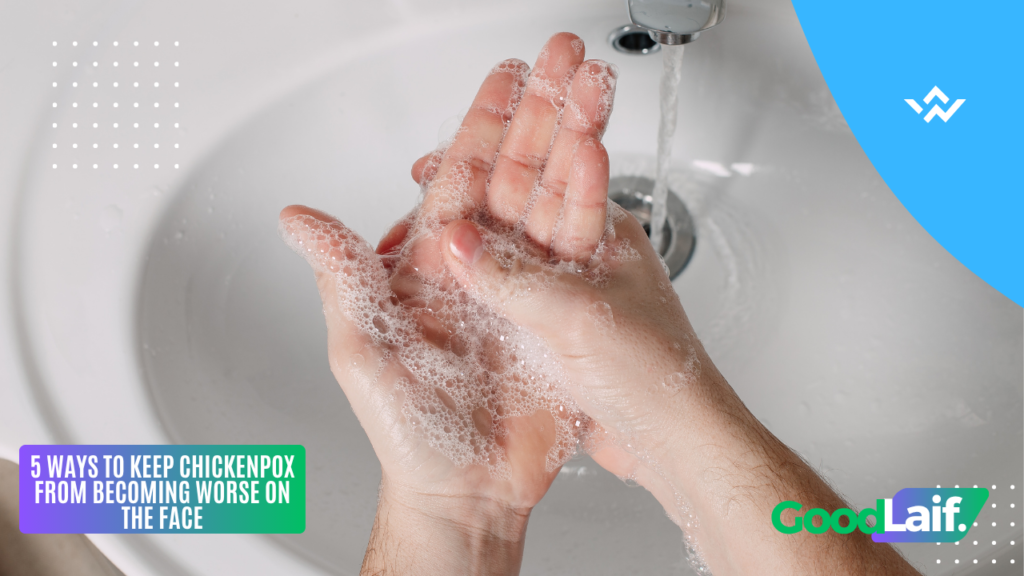
2. Keep Your Hands Clean
Hands can transfer bacteria to irritated skin.
Wash your hands regularly with soap and running water, especially after touching itchy areas of the body.
3. Keep Fingernails Short
Many people scratch their skin without realizing it, particularly while sleeping.
Keeping fingernails trimmed can help reduce the risk of accidental skin damage and infection.
4. Use Treatments Recommended by a Doctor
Certain medications or soothing lotions may help relieve itching and reduce the urge to scratch.
Always use treatments according to the advice of a doctor or healthcare professional and avoid trying unverified remedies.
5. Get Enough Rest and Stay Hydrated
Your body needs energy to fight the infection.
Adequate sleep and proper hydration can support the recovery process and help the body heal more effectively.
Habits to Avoid During Chickenpox
Some habits can increase irritation and raise the risk of facial scarring:
- Repeatedly scratching the rash
- Touching the face with unwashed hands
- Picking or squeezing chickenpox blisters
- Using harsh skincare products on irritated skin
- Neglecting personal hygiene during recovery
Avoiding these habits can help protect the skin while it heals.
How to Reduce the Risk of Chickenpox Scars on the Face
Chickenpox scars, including pitted scars, often develop because of severe inflammation or infection in the affected skin.
To help lower the risk of scarring:
- Allow scabs to fall off naturally
- Keep the skin clean
- Limit excessive sun exposure
- Follow your doctor’s treatment recommendations
- Avoid rubbing or irritating healing skin
The less trauma the skin experiences during recovery, the lower the likelihood of permanent scars.
When Should You See a Doctor?
Seek medical attention if:
- The rash appears infected
- Blisters begin producing pus
- A high fever does not improve
- The rash affects the eye area
- You experience difficulty breathing
- Symptoms become worse instead of improving
A healthcare professional can evaluate your condition and provide appropriate treatment to help prevent complications.
Read Also : Varicella Zoster Virus: The Cause of Chickenpox and Herpes Zoster
Conclusion
How to prevent chickenpox from spreading to the face and leaving scars is mainly about protecting the skin, avoiding scratching, and preventing infection that can worsen inflammation. While facial rashes can be part of the natural course of chickenpox, proper care can help reduce the risk of long-term marks and support healthy healing.
If signs of infection develop or symptoms become more severe, consult a healthcare professional for appropriate medical advice and treatment.







+ There are no comments
Add yours