
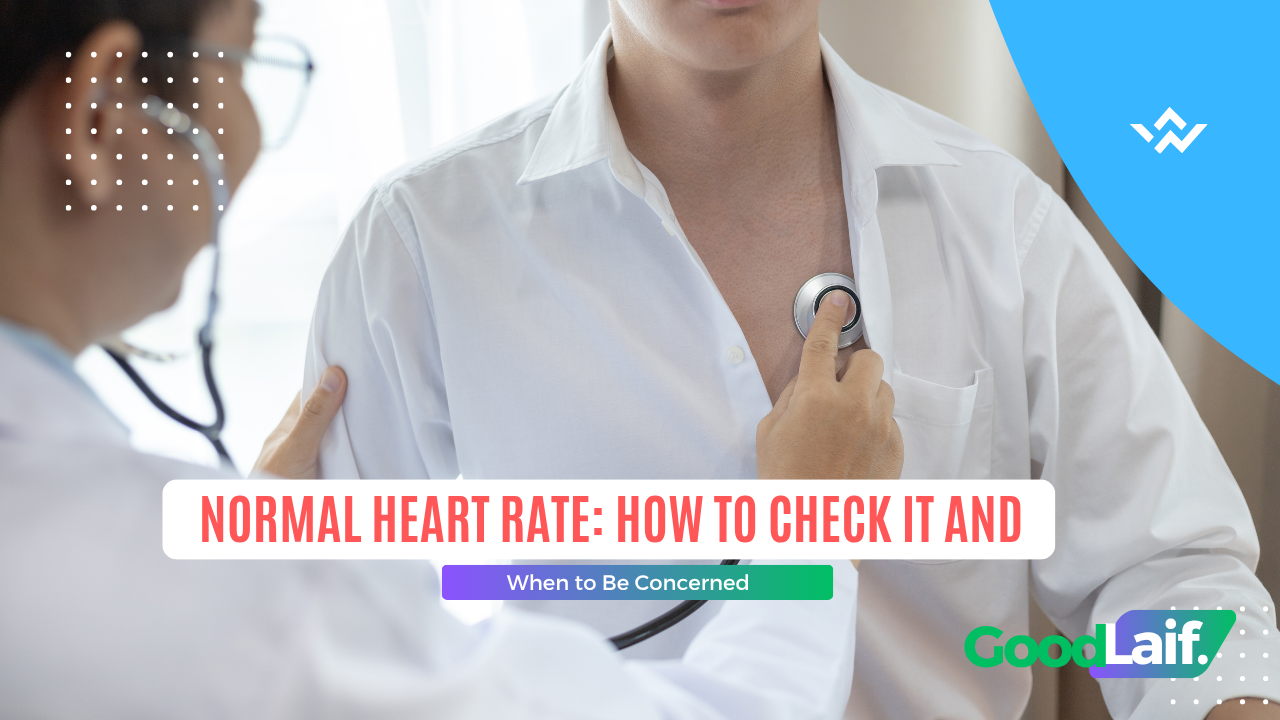
Has your heart suddenly started beating faster while you were relaxing? Or maybe you checked your smartwatch and saw 110 BPM, making you worry that something was wrong. Don’t panic. This happens to many people. Understanding your normal heart rate can help you know when it’s completely normal and when it’s time to seek medical advice.
Disclaimer: This article is for general educational purposes only. Everyone’s health is different. If you frequently experience unusual heart-related symptoms, consult a healthcare professional.
What Is a Normal Heart Rate?
A normal heart rate refers to the number of times your heart beats in one minute, also known as beats per minute (BPM). If it beats faster than the normal range, the condition is called tachycardia. If it beats slower, it’s known as bradycardia.
For most healthy adults, the normal resting range is 60 to 100 BPM. However, your pulse may vary depending on your age, fitness level, daily activities, and overall health.
Common Resting Pulse Ranges
Here are the general ranges that healthcare professionals commonly use:
- Adults at rest: 60–100 BPM
- Children aged 6–15 years: 70–100 BPM
- During moderate exercise: around 120–150 BPM
- Athletes or highly active people: 40–60 BPM while resting
Keep in mind that these are only general guidelines. For example, a pulse rate of 105 BPM after climbing stairs or exercising is usually nothing to worry about. However, if your pulse stays around 105 BPM while you’re sitting quietly or lying down, it’s a good idea to see a doctor.
What Can Affect Your Pulse?
Your heartbeat naturally changes throughout the day. Several factors can make it speed up or slow down, including:
- Physical activities such as walking, running, or exercising.
- Stress, anxiety, or nervousness, such as before giving a presentation or sitting in heavy traffic.
- Coffee, tea, or energy drinks. Their effects often appear about 30 minutes after drinking them.
- Fever or certain medical conditions.
- Some medications.
- Your age and fitness level.
That’s why you shouldn’t worry about a single reading. Always consider what you were doing before checking it.
How to Check Your Heart Rate
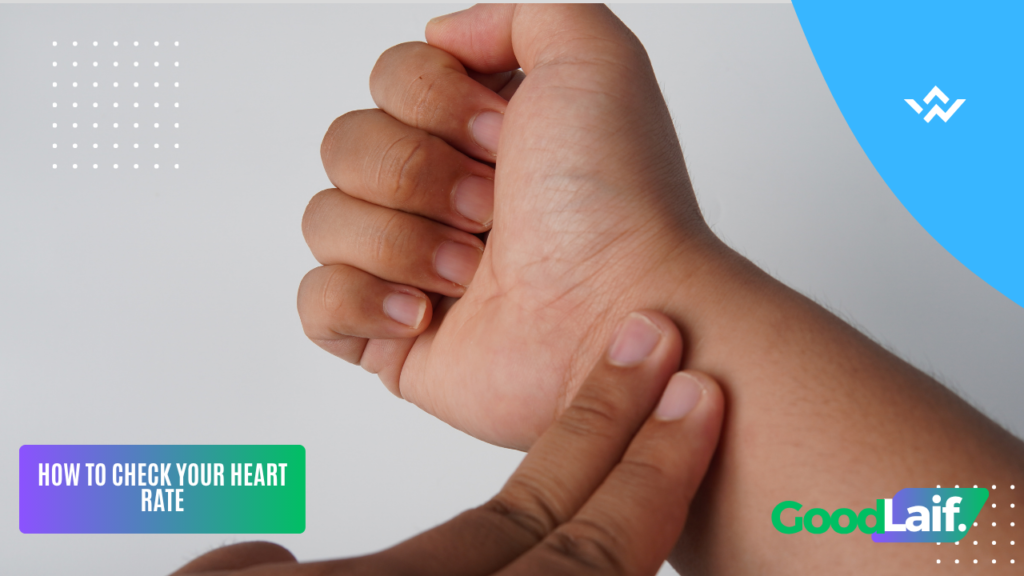
You can measure it yourself at home in just a few simple steps.
- Place your index and middle fingers on your wrist or the side of your neck until you feel your pulse.
- Count the beats for 30 seconds.
- Multiply the result by two to calculate your beats per minute.
- For the most accurate resting measurement, check it right after you wake up while your body is still relaxed.
If you use a smartwatch or fitness tracker, make sure it fits properly to improve accuracy.
When Should You See a Doctor?
Occasional changes in your heartbeat are usually normal, so there’s no need to panic. However, you should seek medical attention if you:
- Notice a very fast or very slow pulse while resting.
- Experience chest pain together with a racing heartbeat.
- Feel dizzy, weak, or faint.
- Have unexplained shortness of breath.
- Notice these symptoms happening repeatedly.
Don’t ignore these warning signs. Early evaluation can help identify the cause and ensure you receive the right treatment.
How to Maintain a Healthy Heart Rate
The good news is that simple daily habits can help keep your heart healthy.
- Exercise regularly. It strengthens your heart and helps it pump blood more efficiently.
- Eat a balanced diet with plenty of fruits, vegetables, whole grains, and healthy fats.
- Limit caffeine if it makes your heartbeat feel faster.
- Get enough sleep every night.
- Manage stress. High cortisol levels can make your heart work harder.
- Avoid smoking and limit alcohol consumption.
Following these habits consistently helps maintain a normal heart rate while supporting your overall cardiovascular health.
Read Also : Fast Heartbeat That Should Not Be Ignored Too Early
Conclusion
A normal heart rate for most adults at rest falls between 60 and 100 BPM. However, your pulse naturally changes depending on your activity level, age, fitness, and overall health.
The key is to understand what’s normal for your body. Try checking your pulse while resting, after exercise, or during stressful situations so you have a personal baseline. If you frequently notice unusual readings or experience symptoms such as chest pain, shortness of breath, or dizziness, don’t wait to seek medical advice.
This article is intended for general educational purposes and does not replace professional medical advice, diagnosis, or treatment. If you’re unsure about your readings or symptoms, consult a healthcare professional for a proper evaluation.



+ There are no comments
Add yours