
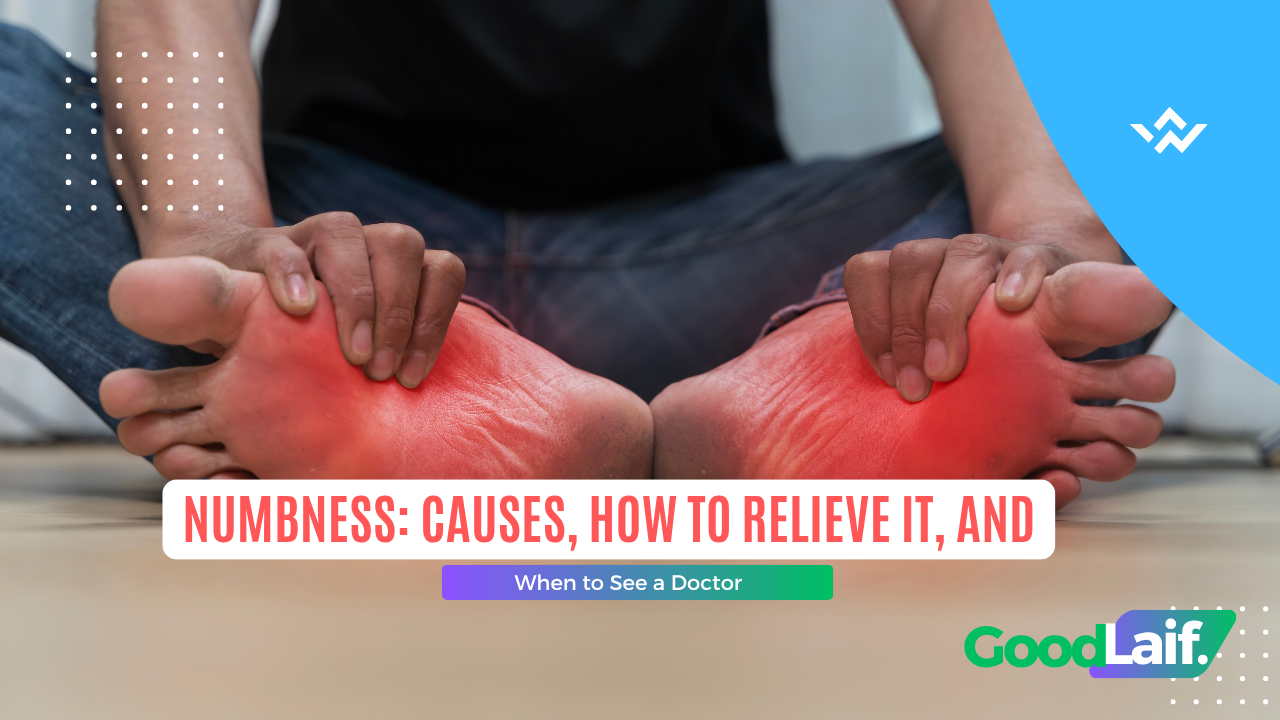
Have you ever noticed your hand or foot suddenly going numb after sitting in the same position for too long? It may feel like pins and needles, a loss of sensation, or tingling. In many cases, this is harmless and goes away on its own. However, if numbness happens frequently, lasts for a long time, or is accompanied by other symptoms, it should not be ignored.
Disclaimer: This article is for educational purposes only and is not a substitute for professional medical advice, diagnosis, or treatment. If you experience sudden numbness, worsening symptoms, or signs of a medical emergency, seek immediate medical attention.
What Is Numbness?
Numbness is a condition in which a part of the body loses normal sensation. It is often accompanied by tingling, commonly described as a “pins and needles” feeling. Some people may also experience a burning sensation, weakness, or difficulty moving the affected body part.
Numbness can occur in the hands, feet, fingers, toes, or even the face. The causes range from temporary pressure on a nerve to underlying medical conditions affecting the nervous system.
Common Causes of Numbness
Understanding the possible causes can help you determine whether your symptoms are temporary or require medical attention.
1. Sitting or Sleeping in One Position for Too Long
This is the most common cause of numbness. Staying in the same position for an extended period may compress a nerve or reduce blood flow, causing temporary numbness in the hands or feet. The sensation usually disappears after changing positions and moving around.
2. Pinched Nerve
Frequent numbness that radiates from the neck or lower back into the arms or legs may be caused by a pinched nerve. Common examples include Carpal Tunnel Syndrome (CTS), which affects the wrist, and a Herniated Disc (Herniated Nucleus Pulposus/HNP), which can compress spinal nerves.
3. Diabetes
Diabetes can damage nerves over time, leading to a condition known as diabetic neuropathy. According to the Indonesian Ministry of Health (Kementerian Kesehatan Republik Indonesia/Kemenkes RI), numbness and tingling—especially in the feet—are among the most common symptoms of diabetic nerve damage.
4. Vitamin B12 Deficiency
Vitamin B12 plays an essential role in maintaining healthy nerves. A deficiency may cause numbness, tingling, muscle weakness, and balance problems.
5. Poor Blood Circulation
Reduced blood flow can make the hands or feet feel cold, numb, or tingly. This often occurs after remaining in one position for an extended period but may also be associated with circulation problems.
How to Relieve Numbness

If your numbness is not caused by a serious medical condition, these simple steps may help relieve your symptoms.
1. Change Your Position
If numbness occurs after sitting or sleeping for a long time, change your position and gently move the affected area to restore normal blood flow.
2. Do Gentle Stretching
Light stretching exercises can improve circulation and reduce pressure on compressed nerves.
3. Apply a Warm Compress
Applying a warm compress to the affected area for about 10–15 minutes may help relax muscles and improve blood circulation.
4. Stay Physically Active
If your work requires prolonged sitting, try to stand up, walk, or stretch every 30–60 minutes to keep your blood flowing and reduce pressure on your nerves.
5. Get Enough Vitamin B12
Include foods rich in vitamin B12 in your diet, such as fish, eggs, milk, lean meat, and liver. If you suspect a deficiency, consult your doctor before taking supplements.
6. Keep Blood Sugar Under Control
For people with diabetes, maintaining healthy blood sugar levels is essential to prevent further nerve damage. Kemenkes RI also emphasizes that proper blood sugar management can help reduce the risk of diabetic neuropathy.
When Should You See a Doctor?
Seek medical attention immediately if numbness is accompanied by any of the following symptoms:
- Sudden numbness with no obvious cause.
- Numbness that lasts for several hours or keeps recurring.
- Weakness in the arms or legs.
- Difficulty speaking or slurred speech.
- Drooping on one side of the face.
- Trouble walking or loss of balance.
- Numbness after an injury to the head, neck, or back.
According to the Indonesian Medical Association (Ikatan Dokter Indonesia/IDI), numbness accompanied by facial drooping, speech difficulties, or limb weakness may be a sign of a serious condition such as a stroke and requires immediate emergency care.
Read Also : Foot Pain Medicine at Pharmacies and How to Use It Safely
Conclusion
Numbness is a common symptom that is often caused by temporary pressure on a nerve or reduced blood circulation. In many cases, it resolves on its own after changing positions or moving around. However, persistent or recurring numbness may indicate an underlying condition such as a pinched nerve, diabetes, vitamin B12 deficiency, or circulatory problems.
If your symptoms continue or become more frequent, do not ignore them. Keep a simple record of when the numbness occurs, how long it lasts, which body part is affected, and any possible triggers for about a week. This information can help your healthcare provider identify the underlying cause and recommend the most appropriate treatment before the condition worsens.








+ There are no comments
Add yours