
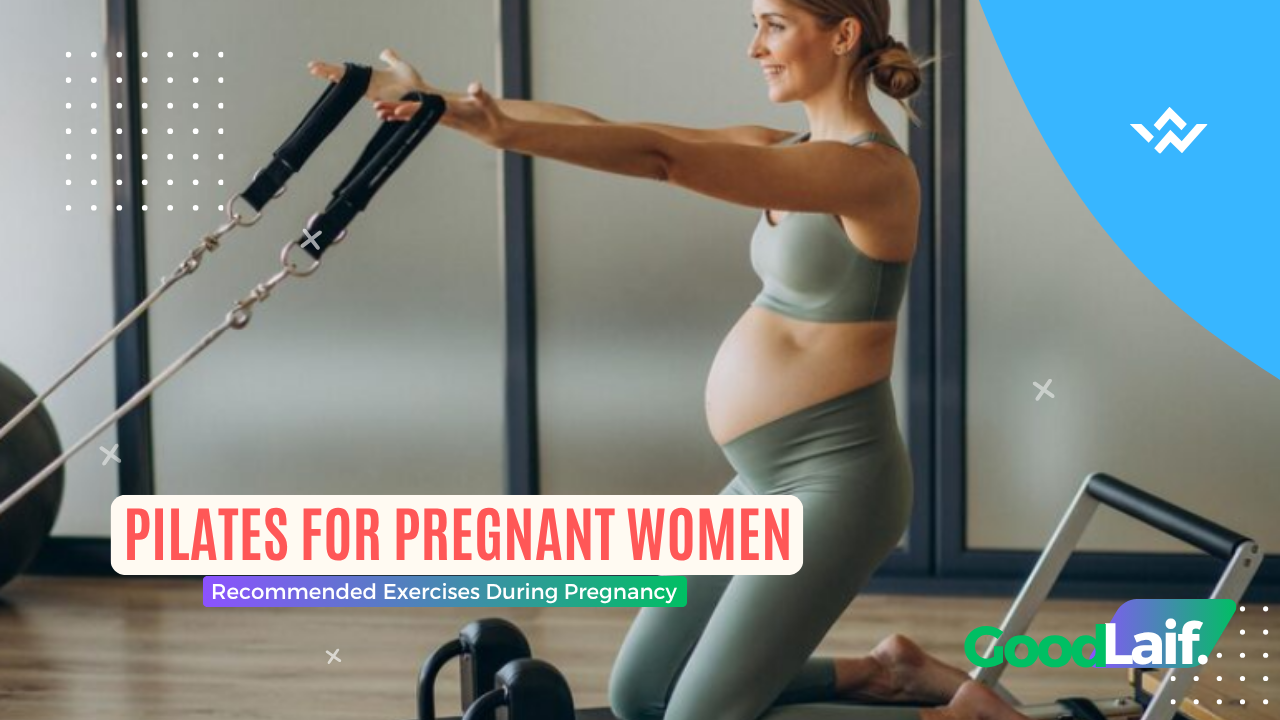
Pregnancy is a special phase in a woman’s life that brings many physical and emotional changes. Hormonal shifts, weight gain, and posture adjustments can often cause discomfort, fatigue, and muscle tension. Because of these changes, maintaining physical fitness during pregnancy becomes very important. One exercise that is commonly recommended for expectant mothers is Pilates for Pregnant Women.
This type of exercise focuses on gentle and controlled movements that help strengthen the body without placing too much pressure on the joints. In addition to improving flexibility and balance, prenatal Pilates also supports relaxation and breathing control, which can be useful during labor and delivery.
What Is Prenatal Pilates?
Prenatal Pilates is a modified form of traditional Pilates designed specifically for pregnant women. The exercises are adjusted to suit the changing body condition throughout pregnancy, making them safer and more comfortable.
The training generally focuses on:
- Strengthening the pelvic floor and core muscles
- Improving posture and body alignment
- Supporting breathing control
- Increasing flexibility and stability
- Encouraging relaxation and reducing stress
Unlike intense workouts, prenatal Pilates emphasizes slow, mindful movements that help the body adapt to pregnancy-related changes.
Benefits of Pilates During Pregnancy
Helps Reduce Back Pain
Back pain is one of the most common complaints during pregnancy. As the baby grows, the spine and lower back experience additional pressure. Pilates exercises help strengthen the muscles that support the spine, reducing tension and improving stability.
Improves Body Posture
Changes in body weight distribution can affect posture and balance. Regular practice of Pilates for Pregnant Women can help maintain better posture, making daily activities more comfortable.
Supports Better Breathing
Breathing exercises are an essential part of Pilates. Proper breathing techniques can help mothers feel calmer, reduce stress, and prepare for the breathing control needed during labor.
Strengthens Pelvic Floor Muscles
Pelvic floor muscles play a vital role during pregnancy and childbirth. Strengthening these muscles can help support the uterus, bladder, and bowel while also assisting recovery after delivery.
Reduces Stress and Anxiety
Pregnancy can sometimes bring emotional stress and mood changes. Gentle exercise combined with controlled breathing can help the body relax and improve overall mental well-being.
Maintains Flexibility
Prenatal Pilates helps keep muscles flexible without overstraining the body. This can reduce stiffness and improve overall comfort during pregnancy.
Prepares the Body for Childbirth
The exercises improve muscle endurance, breathing awareness, and body control, all of which can support a smoother labor experience.
Safe Pilates Movements for Pregnant Women
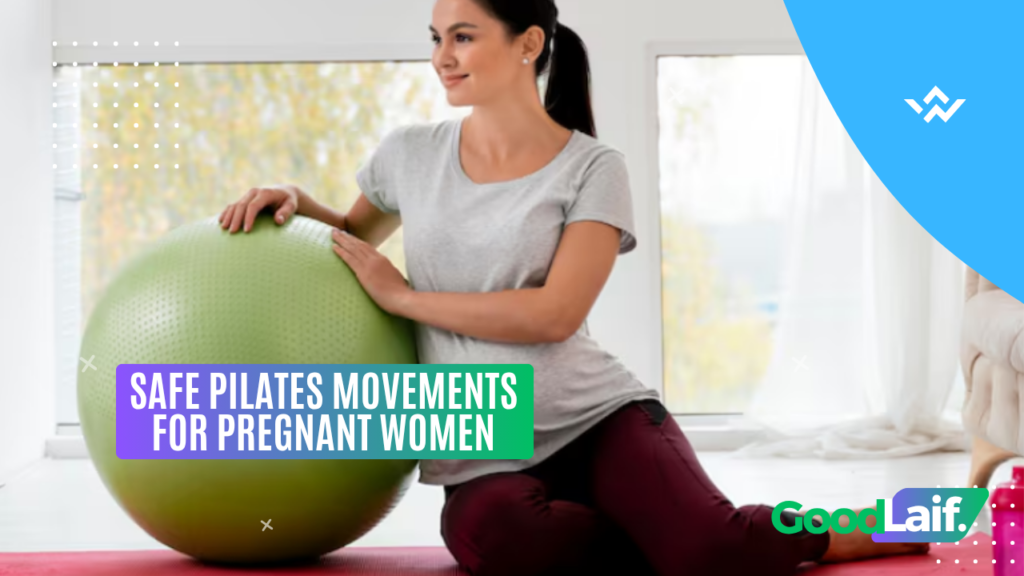
Here are several exercises that are generally considered safe during pregnancy when performed correctly.
1. Pelvic Tilt
This movement helps strengthen the lower abdominal muscles and relieve lower back discomfort.
How to do it:
- Stand against a wall or position yourself on all fours.
- Inhale slowly.
- Gently tilt the pelvis forward.
- Hold for a few seconds and return to the starting position.
- Repeat 8–10 times.
2. Cat-Cow Stretch
This exercise supports spinal flexibility and reduces back tension.
How to do it:
- Begin on all fours with hands under the shoulders.
- Slowly arch the back upward while lowering the head.
- Then gently lower the back while lifting the head.
- Continue following a steady breathing rhythm.
3. Side-Lying Leg Lift
This movement helps strengthen the hips and thighs.
How to do it:
- Lie on one side with the head supported by the hand.
- Slowly lift the top leg upward.
- Lower it gently.
- Repeat several times before switching sides.
4. Seated Breathing Exercise
Breathing exercises promote relaxation and improve oxygen flow.
How to do it:
- Sit comfortably with a straight posture.
- Inhale deeply through the nose.
- Exhale slowly through the mouth.
- Focus on steady breathing and relaxation.
5. Modified Squat
This exercise strengthens the legs and pelvic area.
How to do it:
- Stand with feet shoulder-width apart.
- Slowly lower the body into a squat position.
- Keep the back straight.
- Return to standing slowly.
- Use a chair or wall for support if necessary.
Important Safety Tips
To safely practice Pilates for Pregnant Women, several precautions should always be considered.
Consult a Doctor First
Before starting any exercise routine during pregnancy, it is important to consult a healthcare professional, especially for women with high-risk pregnancies or medical conditions.
Avoid Overexertion
Exercise should never cause pain or excessive discomfort. Always listen to the body and rest when needed.
Choose a Qualified Instructor
Joining a prenatal Pilates class with an experienced instructor can help ensure that movements are performed safely and correctly.
Avoid Lying Flat for Long Periods
During the second and third trimesters, lying flat on the back for too long may reduce blood circulation.
Stop Immediately If Symptoms Occur
Exercise should be stopped immediately if there is:
- Dizziness
- Shortness of breath
- Abdominal pain
- Bleeding
- Contractions
When Pilates Should Be Avoided
Although Pilates is generally safe, some pregnancy conditions may require avoiding exercise altogether, including:
- Risk of premature labor
- High blood pressure
- Placental complications
- Persistent bleeding during pregnancy
- Certain miscarriage histories
Always seek medical advice before beginning any prenatal workout program.
Conclusion
Pilates for Pregnant Women can be a safe and effective way to stay active during pregnancy. The gentle exercises help improve posture, strengthen muscles, reduce back pain, and prepare the body for childbirth. With proper guidance and attention to safety, prenatal Pilates can support both physical and emotional well-being throughout pregnancy.
READ ALSO ARTICLE: Effect of Coffee on Pregnant Women: Is It Safe?













+ There are no comments
Add yours