
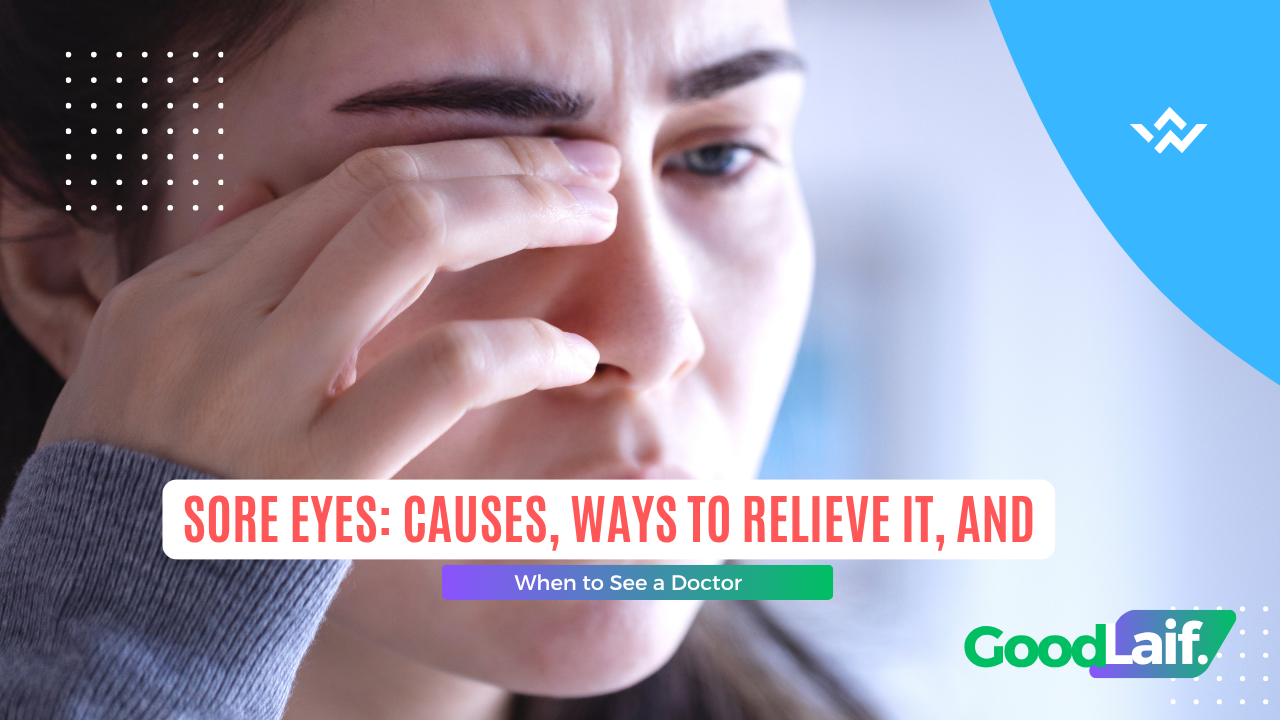
Sore eyes can happen at any time, whether from working in front of a computer, using a phone for too long, or being exposed to dust and smoke. This condition is often described as a burning sensation, irritation, discomfort, or the feeling that something is stuck in the eye.
Although it is often considered a mild problem, sore eyes can interfere with concentration and daily activities. In many cases, the condition is caused by simple factors that improve with proper care. However, some situations may require medical attention to prevent more serious eye problems.
This article is for educational purposes only and does not replace diagnosis, treatment, or medical advice from a doctor or healthcare professional.
Why Do Eyes Feel Sore?
The eyes are sensitive organs that can easily react to changes in the surrounding environment. When the eye surface becomes irritated or lacks moisture, discomfort and soreness may appear.
Some common causes of sore eyes include:
- Dry eyes due to reduced tear production
- Spending too much time looking at computers, laptops, or phones
- Exposure to dust, smoke, pollution, or dry air
- Eye allergies
- Improper or unhygienic contact lens use
- Lack of sleep and eye fatigue
In addition, infections or inflammation affecting the eye surface may also cause soreness and irritation.
Common Symptoms That May Accompany Sore Eyes
Sore eyes do not always appear alone. Some people may experience other symptoms that make the eyes feel more uncomfortable.
Common symptoms include:
- Red eyes
- Watery eyes
- Itchy eyes
- Increased sensitivity to light
- Uncomfortable vision
- A feeling like there is sand or a foreign object in the eye
The symptoms can vary depending on the underlying cause.
How to Relieve Sore Eyes
Treatment for sore eyes depends on the cause. However, several simple steps may help reduce discomfort.
1. Give Your Eyes Regular Breaks
If your daily activities require long periods of screen use, try giving your eyes regular breaks.
One method that may help is the 20-20-20 rule: look at something about 20 feet away for 20 seconds every 20 minutes.
2. Use Artificial Tears When Needed
For dry eyes, artificial tears may help keep the eye surface moist and reduce irritation.
Use eye drops according to the instructions. Avoid using redness-relieving eye drops for long periods without medical advice because they may cause redness to return after the effects wear off.
3 Avoid Rubbing Your Eyes
When your eyes feel itchy or sore, rubbing them may feel relieving temporarily. However, this habit can worsen irritation and increase the risk of infection.
4. Reduce Exposure to Irritants
Whenever possible, avoid smoke, dust, and pollution that may worsen eye discomfort. Wearing protective glasses in certain environments may also help protect your eyes.
How to Maintain Healthy Eyes
Besides managing existing discomfort, several daily habits can help maintain eye health:
- Blink regularly when using digital devices
- Wash your hands before touching your eyes
- Use proper lighting when reading or working
- Get enough sleep every night
- Eat nutritious foods that support eye health
Small habits can help reduce irritation and keep your eyes comfortable during daily activities.
When Should You See a Doctor?
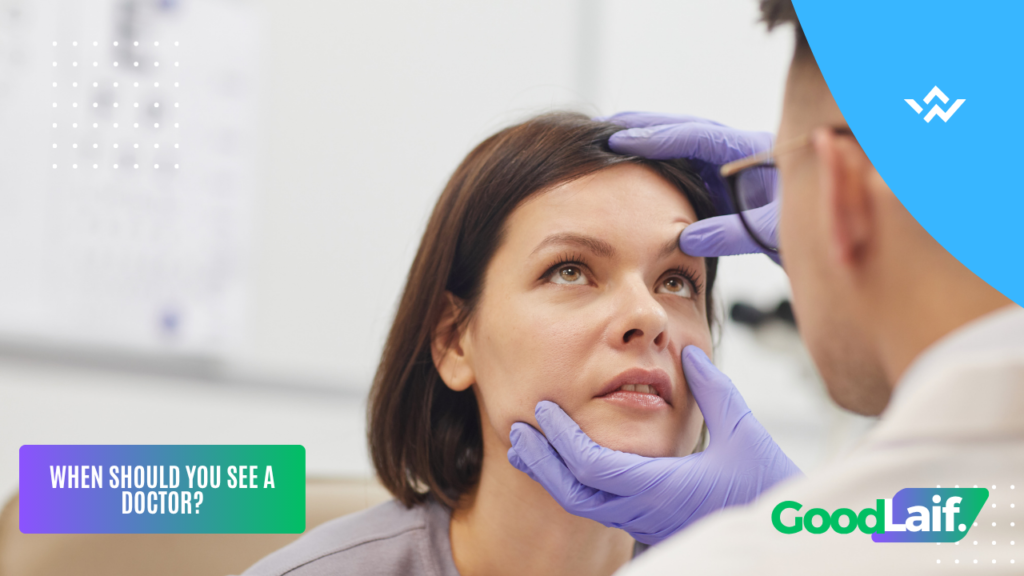
Do not ignore sore eyes that continue for a long time or become worse.
Consult an eye doctor if you experience:
- Sore eyes that do not improve
- Severe eye pain
- Blurred or reduced vision
- Increasing redness
- Unusual discharge from the eyes
Seek emergency medical help if your eyes are exposed to chemicals, suffer a serious injury, or you experience sudden vision loss.
Read Also : How to Treat Red Eyes Safely at Home and Fast Effectively
A medical examination can help identify the exact cause and determine the right treatment.
Conclusion
Sore eyes can be caused by many factors, including dry eyes, screen fatigue, allergies, dust, or smoke exposure. Many cases improve with simple care and healthier daily habits.
However, if the discomfort does not improve, becomes more severe, or is accompanied by vision problems, it is important to consult a doctor. Proper care can help protect eye health and prevent more serious complications.






+ There are no comments
Add yours